




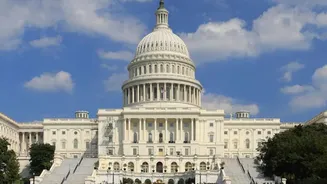

The dust has settled on the US midterm elections, reshaping the political landscape in Washington. For Indian exporters, the world's largest market now presents new questions. What will a changed power dynamic in the US Congress mean for trade policy?
A New Equation in Washington
The outcome of the 2026 US midterm elections has introduced a new dynamic between the White House and Congress. Typically, midterm results that divide government—where one party controls the presidency and another controls one or both chambers of Congress—can lead to increased political gridlock. While this might slow down sweeping domestic legislation, its impact on foreign and trade policy is more complex. The President retains significant executive power to negotiate trade deals and impose certain tariffs. However, a Congress controlled by the opposition can increase oversight, hold hearings, and influence the final approval of any major trade agreements. This shift creates both uncertainty and potential opportunities for India's trade relationship with the US.
The Big Picture: Strategic Alignment
Despite the political shifts, the fundamental strategic alignment between New Delhi and Washington is expected to remain firm. Both Democratic and Republican parties largely favour strong ties with India as a counterbalance in the Indo-Pacific. This shared geopolitical interest provides a stable foundation for the overall relationship. Economic nationalism and a focus on secure supply chains also have bipartisan support in the US, a trend that reinforces India’s position as a key partner in the 'China plus one' strategy for global manufacturing. Therefore, while the methods may differ, the underlying American incentive to deepen economic engagement with India will likely persist, regardless of who leads key congressional committees.
Trade Deal and GSP: The Unfinished Agenda
Two of the most immediate issues for Indian exporters are the finalisation of a bilateral trade agreement and the restoration of the Generalized System of Preferences (GSP) status. India's GSP status, which provided duty-free access for nearly 1,900 products, was revoked in 2019. While discussions to restore it are ongoing, the final decision rests with the US Congress, making the new leadership crucial. Similarly, a framework for an interim trade deal was announced earlier in 2026, but it has yet to be finalised. A divided government could complicate the passage of a comprehensive deal, but it might also pressure the White House to secure a 'win' on the foreign policy front, potentially fast-tracking a smaller, less controversial agreement.
Key Initiatives to Monitor
Beyond a broad trade deal, specific initiatives will be critical. The future of the Indo-Pacific Economic Framework for Prosperity (IPEF) is a key area to watch. Launched in 2022, IPEF is a USled initiative to deepen economic ties across the region in areas like supply chains, clean energy, and anti-corruption, but notably without offering the market access of a traditional trade deal. The stability of this framework through political transitions in the US is a major question for its 14 member nations, including India. Furthermore, Indian exporters in sectors like steel, aluminum, and engineering goods must keep a close eye on existing and potential new tariffs. The President can use executive authority, such as Section 232 of the Trade Expansion Act, to impose tariffs on national security grounds, an area where Congress has limited power to intervene.
What Exporters Should Do Now
For Indian businesses, this period calls for proactive monitoring rather than reactive panic. The overall trajectory of India–US trade remains positive, with exports showing resilience even without GSP benefits. Exporters should focus on staying informed about policy debates in Washington concerning the GSP, IPEF, and specific tariffs that affect their industries. Engaging with industry bodies and chambers of commerce that lobby in Washington can provide valuable insights and a collective voice. This is also an opportune moment to double down on competitiveness, quality, and supply chain reliability, which are the ultimate differentiators in the discerning American market. While political winds in Washington may shift, a strong business case remains the best asset.