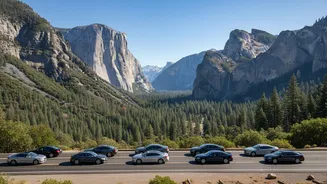








A Park Overwhelmed by Popularity
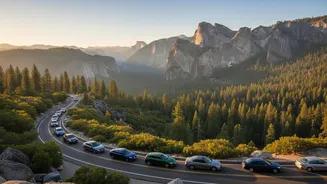
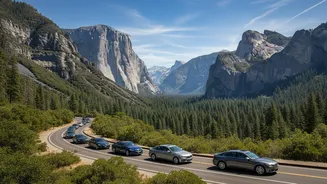
Yosemite is one of America's most iconic natural treasures, but its fame comes at a cost. For years, the park has struggled with overwhelming crowds, especially during peak seasons. This translates into long queues at entrance gates, parking lots that
fill up by early morning, and traffic gridlock on the scenic roads. The problem became so pronounced that the park previously experimented with a timed-entry reservation system to control the flow of visitors. While those systems have been controversial and were recently discontinued, the underlying issue remains: millions of people want to experience the park's beauty, often at the same time, putting immense strain on its infrastructure and impacting the visitor experience.
An Injection of Innovation
To address this, Yosemite is turning to technology. The park is part of a group of 21 national park sites that received funding from the National Park Foundation to test innovative solutions for park management. Yosemite secured a portion of a $10 million grant to launch its Integrated Visitor Information (IVI) Project. The goal is to use a combination of sensors, smart devices, and artificial intelligence to create a seamless communication system that provides visitors with real-time information about park conditions. This marks a shift from reactive measures like reservations to a proactive strategy of managing visitor flow through data.
How the AI System Works
The new system will function as the park's digital nervous system. It will incorporate smart cameras and sensors placed at key locations to collect live data on traffic volume, road status, and parking availability. An AI engine will then process this information to provide automatic, real-time updates across multiple platforms. Visitors will be able to check the park's official website, mobile apps, digital road signs, and visitor center displays for the latest conditions before they even arrive or while they are navigating the park. The system can tell you how long the wait is at an entrance gate, which parking lots are full, and if any roads are closed, helping you make informed decisions on the fly.
The Potential Beyond Parking
While easing parking and traffic chaos is the immediate goal, the applications of AI in park management are much broader. AI-powered analytics can predict peak visitor times and suggest optimal staffing levels, ensuring resources are used efficiently. Smart systems can monitor foot traffic on trails, helping to prevent erosion and suggesting less-crowded alternative hikes to visitors. The same technology can also enhance safety. Real-time incident detection using video analytics can automatically flag stalled vehicles or accidents, enabling a faster response from park rangers and emergency services. In the long run, AI can help with sustainable resource management, such as optimizing water use for irrigation by analyzing weather patterns and soil moisture.
The Road Ahead: Challenges and Opportunities
Implementing such a system is not without its challenges. There are technical hurdles, like ensuring sensors work reliably in extreme weather, and ethical considerations, such as data privacy related to vehicle and visitor tracking. However, the potential benefits are immense. For visitors, it means less time staring at brake lights and more time enjoying the scenery. For park managers, it offers a powerful tool to protect natural resources while improving the visitor experience. This pilot program in Yosemite is a conceptual test; park officials will evaluate which technologies are most helpful before a full-scale rollout. If successful, this experiment could serve as a blueprint for managing crowds not only in other national parks but also at popular tourist destinations and pilgrimage sites around the world, including in India, which faces similar challenges of overcrowding at its own natural and cultural landmarks.