



A 'Once-in-a-Century' Discovery
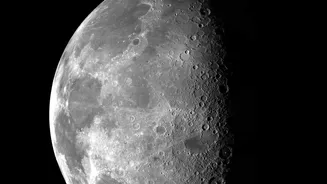
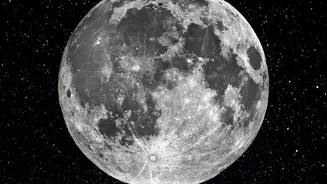
Imagine a hole wider than two football fields and deep enough to swallow three stacked school buses. That is the scale of the new crater, officially named McGetchin, recently identified on the Moon's surface. This enormous feature, measuring 728 feet
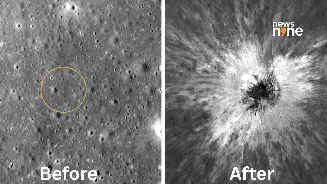
(222 meters) across and 141 feet (43 meters) deep, wasn't created in some distant, ancient past; it was formed by an impact that occurred sometime between April and May of 2024. Researchers stumbled upon it while meticulously comparing new and old images from NASA's Lunar Reconnaissance Orbiter (LRO). An impact capable of creating a crater this large is estimated to happen only about once every century, making this a 'once-in-a-lifetime observation' according to scientists.
The Cosmic Detective Work
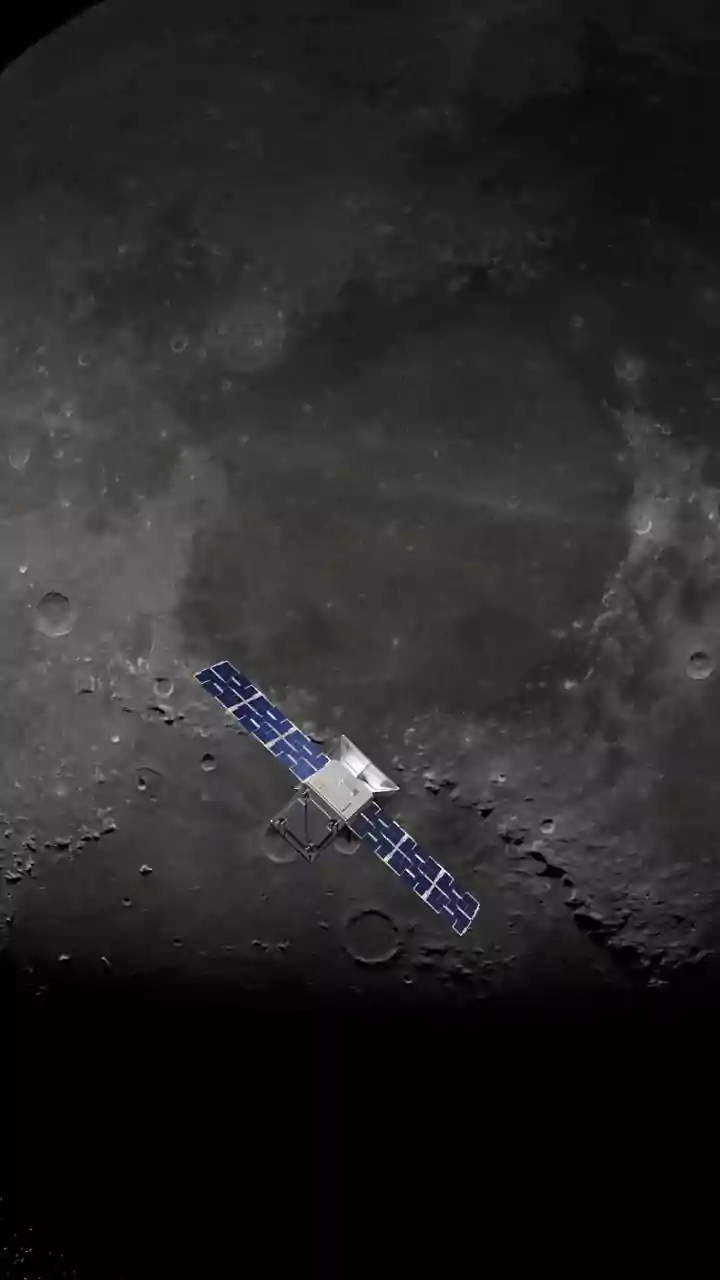
The discovery was a testament to patience and technology. The impact itself went completely undetected by telescopes on Earth and in space when it happened. It was over a year later, in October 2025, that Robert Wagner, a researcher working with LRO data, noticed a strange new spot while performing a routine data check. This prompted a deeper dive. By tasking the LRO's high-resolution cameras to take a closer look, the team confirmed the spot was a fresh crater surrounded by a bright blanket of ejecta—rock and dust thrown out during the collision. The LRO has been mapping the Moon for over 17 years, creating an invaluable archive that allows scientists to spot such dramatic changes.
The Force of the Impact
The object that created McGetchin crater is believed to have been an asteroid or comet fragment the size of a three- to six-story building. Because the Moon has no atmosphere to slow objects down or burn them up, this impactor would have slammed into the surface at incredible speed. The collision was powerful enough to churn the lunar surface for more than 100 kilometers around the impact site. Beyond the visible crater and debris field, scientists also detected a four-mile-wide 'cold spot' in the surrounding area. This thermal anomaly is caused by the impact 'fluffing up' the lunar soil, making it less dense and less able to retain heat during the frigid lunar night.
A Window into a Violent Solar System
While the Moon is covered in craters, almost all are ancient relics. McGetchin crater is different. It provides a pristine natural laboratory for studying the immediate effects of a large impact before millions of years of space weathering erase the evidence. The discovery is the largest newly formed crater found not just on the Moon, but in the entire solar system during the modern era of observation. It serves as a stark reminder that the solar system is not a static environment. Impacts, even large ones, are still a part of the ongoing cosmic story. For scientists, it’s a treasure trove of information that will help refine models of how often these events occur and better understand the risks they could pose, not just on the Moon but for future missions and even here on Earth.