




One traveller's paradise is another's nightmare. In a country as diverse as India, it's no surprise that some of its most famous destinations are also its most polarising. Here’s a look at why these popular spots draw such mixed reactions.
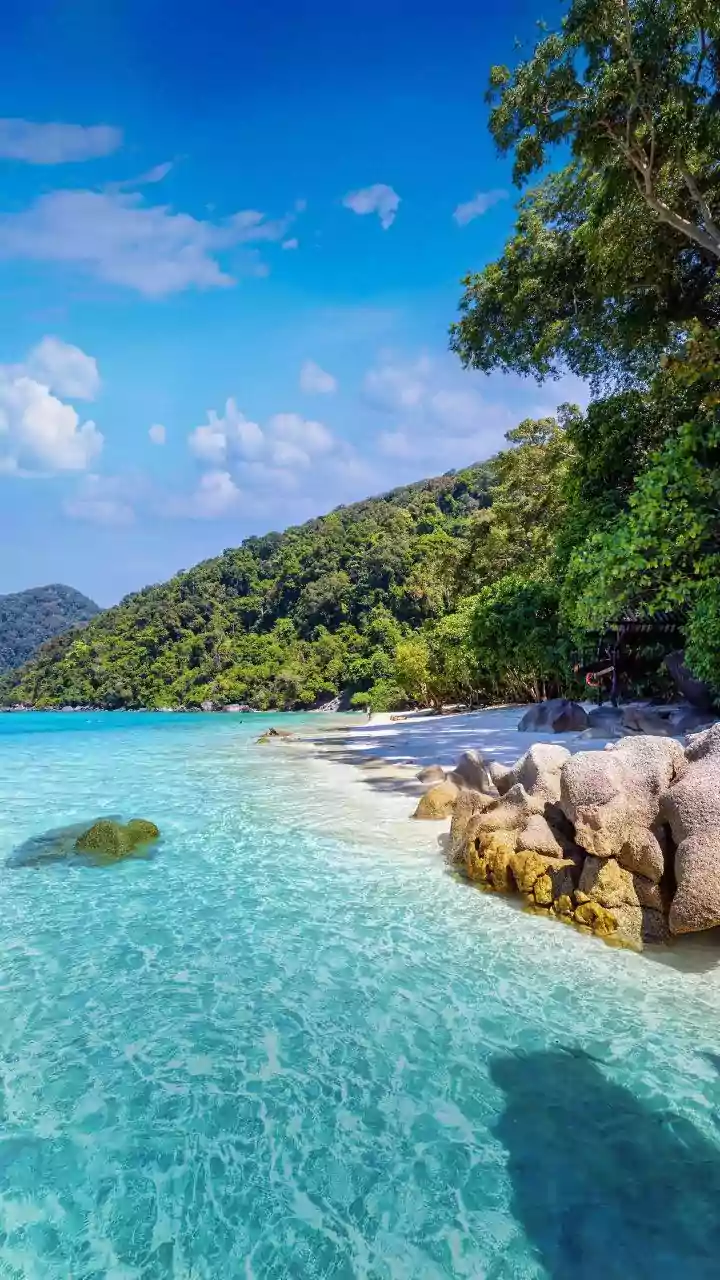
Goa: Party Paradise or Overcrowded Coast?
For decades,
Goa has been India’s default setting for a beach holiday. Those who love it point to its incredible variety of beaches, from the lively shores of North Goa to the tranquil stretches in the South. They praise the freedom, the vibrant nightlife, the fresh seafood, and the unique blend of Indian and Portuguese culture. For many, it’s a place to unwind, socialise, and escape the rush of city life. However, others argue that Goa is overrated and has lost its charm. Critics point to over-commercialisation, especially in popular areas where prices for accommodation and food have soared. Environmental concerns like pollution and trash on once-pristine beaches are also common complaints. For these travellers, the serene paradise they imagined has been replaced by crowded shores and a tourist-trap economy, making them question if the reality lives up to the hype.
Varanasi: Spiritual Epicentre or Sensory Overload?
Varanasi is often described as the ‘India of your imagination’—a city that confronts, challenges, and mesmerises in equal measure. Travellers who fall in love with Varanasi speak of its profound spiritual energy. The experience of watching the Ganga Aarti at dusk, taking a dawn boat ride along the ghats, and witnessing ancient rituals is deeply moving for many. They see beauty in the chaos and find a deep connection to India's spiritual heart. On the other hand, for some visitors, the experience is overwhelming. The city's sensory intensity—the constant noise, crowded alleys, and the public nature of life and death rituals—can be jarring. Issues like aggressive touts, poor sanitation, and the sheer volume of people can detract from the spiritual experience they seek, leaving them feeling exhausted rather than enlightened.
Mumbai: City of Dreams or Urban Grind?
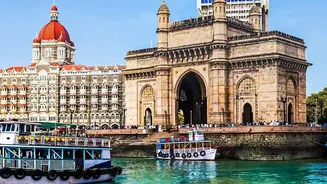
Mumbai is a city of immense contrasts and relentless energy. Its admirers see it as a vibrant, cosmopolitan metropolis brimming with opportunity and life. They are captivated by its iconic landmarks like the Gateway of India, the glamour of Bollywood, and a world-class food scene that ranges from street-side stalls to high-end restaurants. The city's resilient spirit and the 'maximum city' vibe make it an exciting and dynamic place to explore. However, for other travellers, Mumbai's intensity is its biggest drawback. The city can feel overwhelmingly crowded, noisy, and expensive. Navigating the legendary traffic can be a frustrating experience, and some find that beyond the main sights, there is a lack of relaxing public spaces. For them, the city is less a 'city of dreams' and more of an exhausting urban jungle that is better for a short stopover than a long stay.
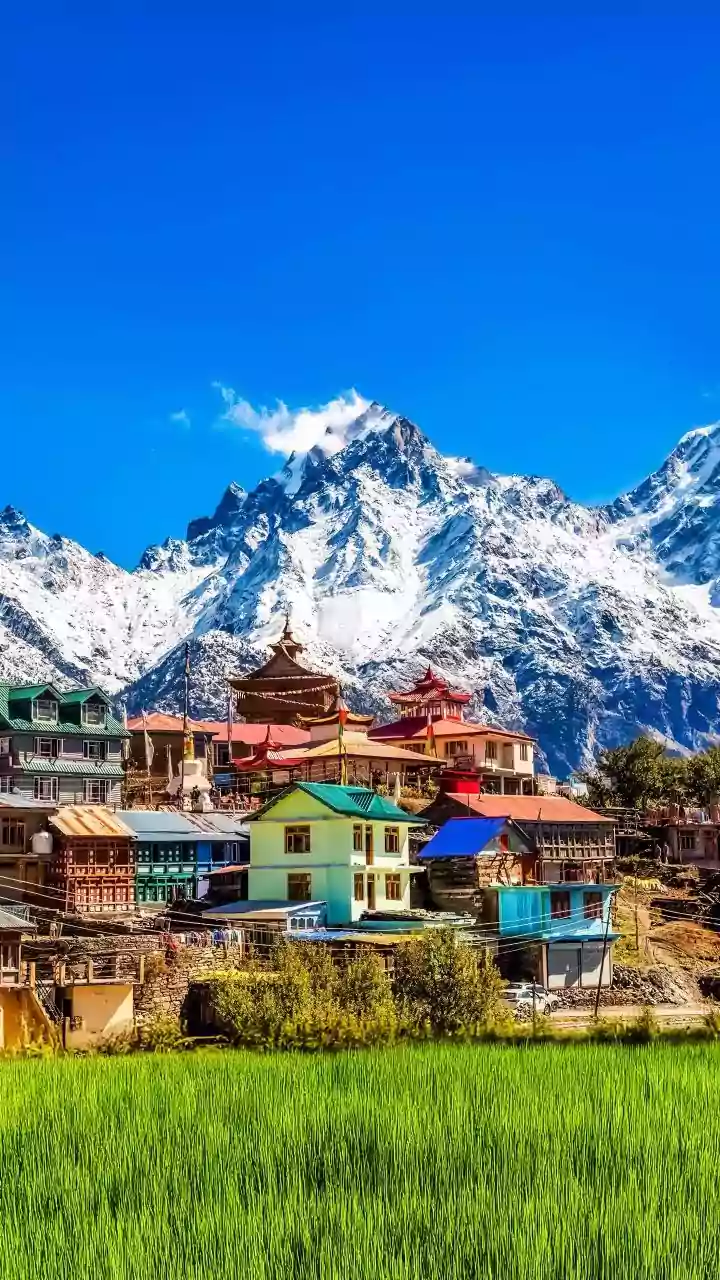
Shimla: Queen of Hills or Overrun Retreat?
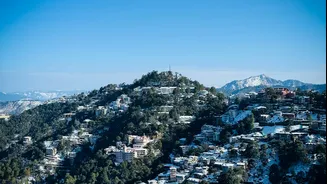
Once the serene summer capital of British India, Shimla holds a special place in the hearts of many. Visitors are drawn to its colonial architecture, the charm of The Mall and The Ridge, and the pleasant, cool weather that offers a perfect respite from the heat of the plains. The scenic views of pine-covered hills and the leisurely pace make it an ideal getaway for families and couples. But in recent years, many argue that Shimla is a victim of its own success. The sheer volume of tourists has led to rampant commercialisation, with concrete hotels replacing green slopes. Traffic jams on the narrow mountain roads have become common, and the once-peaceful town can feel incredibly crowded, especially during peak season. For these visitors, Shimla's tranquil soul has been lost, replaced by the hustle of a busy, commercialised marketplace.