



The World's Energy Superhighway
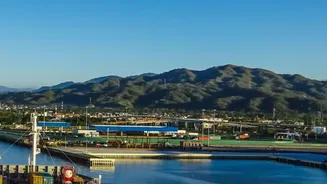
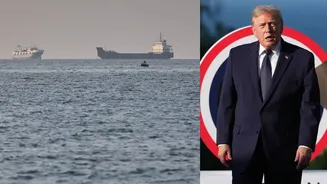
At its narrowest point, the Strait of Hormuz is just 29 nautical miles wide. Yet through this slender channel flows a disproportionate amount of the world's energy. In the period before the recent escalations, a staggering volume of oil, petroleum products,
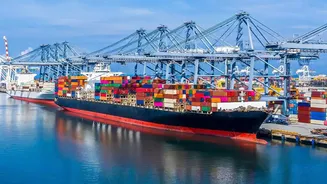
and liquefied natural gas (LNG) passed through it every single day. Countries like Kuwait, Bahrain, Qatar, and Iraq depend on it for the vast majority of their hydrocarbon exports. Even regional giants like Saudi Arabia and the UAE, which have developed alternative pipelines, still rely heavily on this single maritime passage for the bulk of their shipments to global markets. It is, without exaggeration, the central artery of the global energy system.
A River of Oil
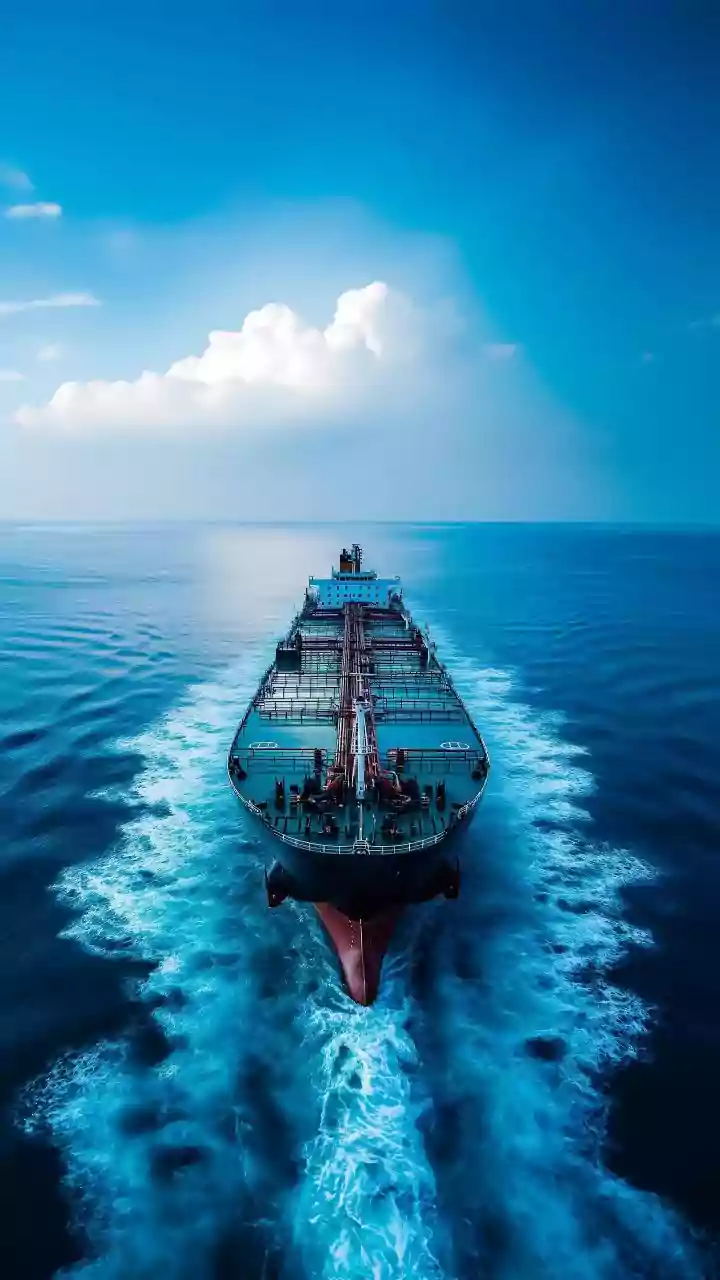
The daily numbers are difficult to comprehend. Before the current tensions, an average of 21 million barrels of oil and refined products moved through the Strait of Hormuz every day. This figure represents about one-fifth of the entire world's daily petroleum consumption and roughly a quarter of all oil traded by sea. The sheer scale of this flow made the Strait the most important oil transit chokepoint on the planet. A disruption here isn't just a regional problem; it's a direct threat to global supply, with the potential to cause immediate and severe shocks to energy markets worldwide.
The Liquefied Gas Artery
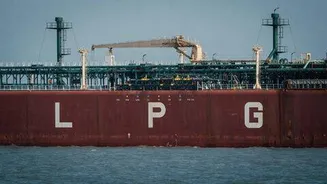
Oil is only part of the story. The Strait of Hormuz is also indispensable for the global liquefied natural gas (LNG) market. Qatar, one of the world's largest LNG exporters, sends nearly all of its shipments through this waterway. In total, about one-fifth of the world's entire LNG trade passed through the Strait. This gas is crucial for electricity generation and heating in many countries, particularly in Asia. The closure or disruption of this route effectively strands these massive volumes, creating a parallel energy crisis for nations dependent on gas.
India’s Critical Lifeline
For India, the stability of the Strait of Hormuz is not an abstract geopolitical issue; it is a matter of profound economic and energy security. As the world's third-largest oil consumer, India imports around 85% of its crude oil needs. Before the recent disruptions, a massive portion of these imports—anywhere from 45% to 65%—originated in the Persian Gulf and had to pass through the Strait. Major suppliers like Iraq, Saudi Arabia, and the UAE all rely on this route to deliver energy to Indian refineries. Any blockage directly threatens India's energy supply, with immediate knock-on effects on fuel prices, inflation, and the wider economy.
The Fragile Peace We Lost
The headline's use of "Pre-War" reflects a grim new reality. The once-reliable flow of energy was predicated on a fragile geopolitical equilibrium. While tensions have always simmered, the Strait remained open. Now, with the waterway effectively militarized and commercial shipping facing extreme risks, that era has ended. Experts warn that a full closure could send oil prices soaring to between $150 and $200 per barrel, triggering global inflation and a potential recession. The alternative routes, such as pipelines through Saudi Arabia and the UAE, can only handle a fraction of the total volume, replacing less than a quarter of the oil that once passed through the Strait daily. The era of taking Hormuz's stability for granted is over.