


The Warm Embrace of Rava Kesari
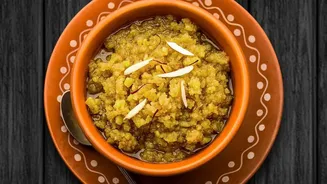
Hailing from South India, Rava Kesari is a comforting sweet often associated with festivals, temple offerings, and celebratory breakfasts. Its name gives a clue to its identity: 'Rava' means semolina, and 'Kesari' refers to its signature saffron or orange
hue. The texture is its most defining characteristic—a soft, slightly grainy, and fluffy consistency that melts in the mouth. Made from simple pantry staples like semolina, sugar, and generous amounts of ghee, it's a dish that comes together in under 30 minutes, making it a beloved choice for both grand occasions and simple moments of sweet indulgence.
Forged in Ghee and Heat
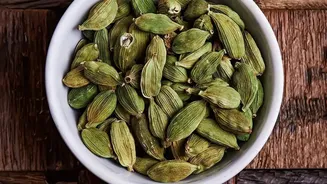
The magic of Rava Kesari's texture lies in its preparation. Fine semolina is first roasted in ghee until it becomes aromatic and lightly toasted. This crucial step ensures that the grains remain distinct and don't turn mushy. Hot water or milk, sweetened with sugar and infused with saffron or cardamom, is then poured over the roasted rava. The mixture is stirred continuously as the semolina absorbs the liquid, swelling into a soft, pudding-like consistency that is rich but not heavy. Finally, more ghee is added along with fried cashews and raisins, giving the dessert its glossy finish and pops of crunchy, chewy texture.
The Cool Elegance of Mishti Doi
Travel east to the Bengal region, and you'll find a dessert that is the textural antithesis of Rava Kesari. Mishti Doi, which translates to 'sweet yogurt', is a cornerstone of Bengali cuisine, served after meals and during auspicious events like Durga Puja and weddings. Unlike regular yogurt, Mishti Doi is known for its thick, dense, and exceptionally smooth consistency, often compared to a silky, firm pudding or a baked custard. It is traditionally made with just milk, a sweetener like sugar or jaggery, and a yogurt starter culture.
The Art of Patience and Clay
The creation of Mishti Doi is a slow, transformative process. Milk is first boiled and reduced, sometimes by as much as half, to concentrate the milk solids and create a richer base. Separately, sugar or jaggery is caramelized to a deep amber colour, which gives the final product its characteristic reddish-brown hue and a complex, roasted sweetness. This caramel is mixed into the warm (not hot) milk, a starter culture is added, and the mixture is poured into unglazed terracotta or clay pots. These pots are key; their porous walls wick away excess moisture as the yogurt ferments overnight, resulting in an incredibly thick, creamy, and firm-set dessert that holds its shape on a spoon.
A Contrast in Every Spoonful
Placing these two desserts side by side reveals a study in delightful contrasts. Rava Kesari is served warm, its soft, grainy texture offering immediate, hearty comfort. It is fluffy and giving. Mishti Doi is served chilled or at room temperature, its texture cool, dense, and supremely silky. It offers a clean break on the spoon, a testament to its firm set. The former is a quick-cooking marvel, a result of direct heat and stirring. The latter is a product of patience, relying on slow reduction and hours of undisturbed fermentation. One is a celebration of the granular nature of semolina, while the other is a testament to the silken potential of cultured milk.