

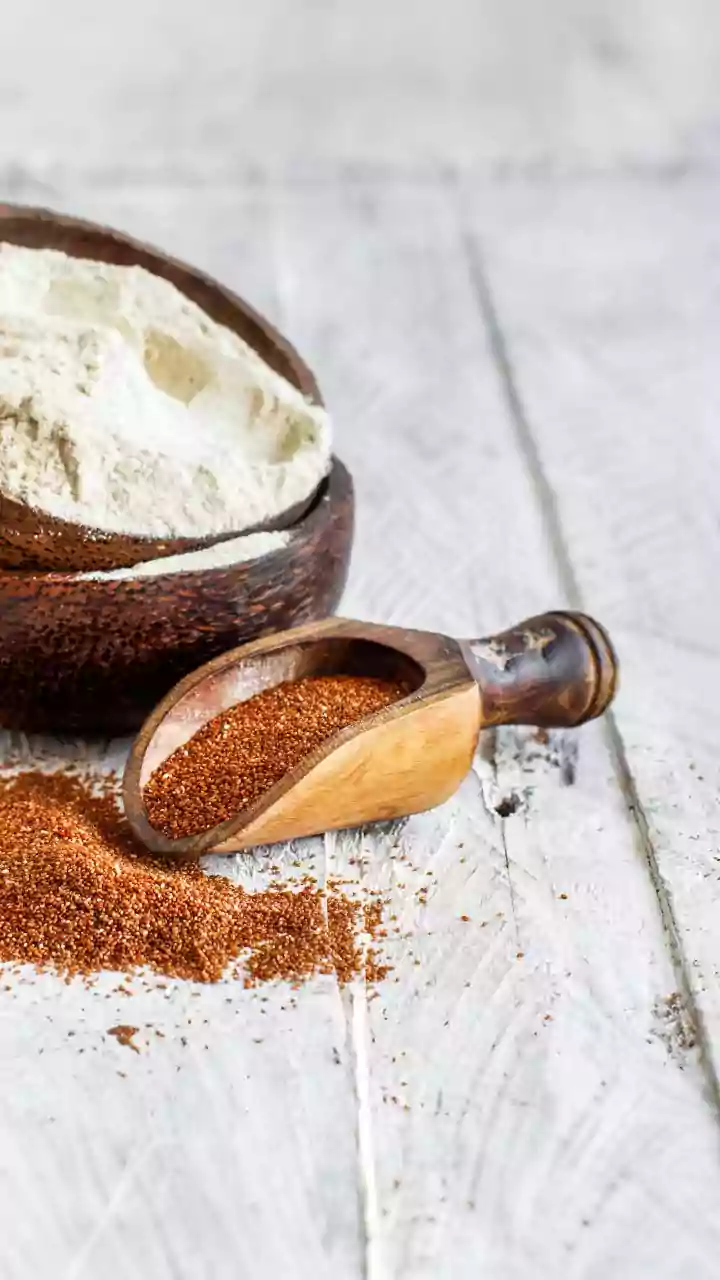







What Exactly Is Amaranth?
Often mistaken for a grain, amaranth is technically a 'pseudo-cereal'—a seed from a plant family that also includes beets and spinach. It was a staple food for the Aztecs, who valued it for its resilience and nutritional content. Today, it’s making a comeback
in kitchens worldwide, praised for its nutty, earthy flavor and its versatility in cooking. You can find it prepared as a porridge, popped like corn, or ground into flour. Its popularity is largely driven by its impressive nutrient profile, which has positioned it as a modern 'superfood'.
The Bone-Building Nutrients Inside
When it comes to bone nutrition, three key minerals are crucial: calcium, magnesium, and phosphorus. Amaranth is a good source of all three. A single cup of cooked amaranth (about 246 grams) provides a significant portion of your daily needs for these essential nutrients. It contains roughly 116 mg of calcium, which is vital for building and maintaining bone structure. It is also exceptionally rich in phosphorus and magnesium, minerals that work alongside calcium to create strong, healthy bones. In fact, one cup of cooked amaranth delivers about 40% of the recommended daily intake for magnesium and 36% for phosphorus, making it a valuable plant-based contributor to skeletal health.
More Than Just Minerals
Amaranth’s benefits for a balanced breakfast go beyond its mineral content. It is a source of high-quality, plant-based protein, providing all nine essential amino acids, including lysine, which is often lacking in other grains. Protein is crucial for muscle mass and provides a feeling of fullness, which can help manage weight. Furthermore, amaranth is packed with fiber, which aids digestion and helps regulate blood sugar levels. This combination of protein and fiber makes for a breakfast that delivers sustained energy, helping you avoid the mid-morning slump that can come from less nutritious options.
Is There a Catch? The Deal with Antinutrients
Like many plant-based foods, amaranth contains compounds known as antinutrients, such as phytates and oxalates. These substances can bind to minerals like calcium and iron, potentially reducing their absorption in the body. However, this doesn't mean you should avoid amaranth. Traditional preparation methods like soaking, sprouting, or cooking can significantly reduce the levels of these antinutrients, thereby improving mineral bioavailability. For example, soaking the seeds overnight before cooking them into a porridge can help mitigate these effects and unlock more of the seed's nutritional benefits. Therefore, while it's something to be aware of, proper preparation makes amaranth a safe and effective addition to a balanced diet.
Making Amaranth Your Morning Staple
Incorporating amaranth into your breakfast routine is simple. The most common way to enjoy it is as a warm porridge, similar to oatmeal. To make it, you typically simmer one part amaranth with about two to three parts water or milk until the liquid is absorbed and the seeds become tender, which takes about 20-25 minutes. You can then top it with fruit, nuts, seeds, and a touch of sweetness for a complete and satisfying meal. For those short on time, you can even find popped amaranth, which can be sprinkled over yogurt or added to homemade granola bars for a crunchy, nutritious boost. Its nutty flavor pairs well with both sweet and savory additions, making it a versatile base for a healthy start to your day.