






A Major Boost for National Connectivity
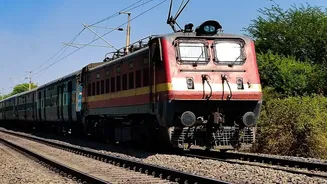
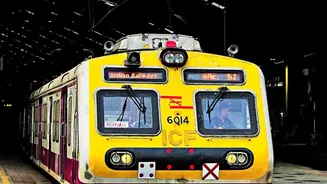
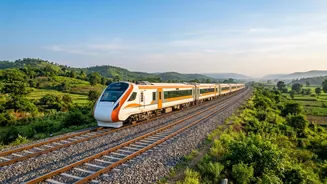
The Cabinet Committee on Economic Affairs (CCEA) recently approved a series of multi-tracking projects designed to strengthen India's vast railway network. One of the recent approvals includes three major projects valued at ₹10,783 crore, which will add
approximately 656 kilometres of new railway lines. These projects will span across 14 districts in the states of West Bengal, Jharkhand, Odisha, Madhya Pradesh, and Chhattisgarh. The primary goal is to increase the capacity of some of the country's most critical and congested rail corridors, ensuring smoother and more reliable train operations for both passengers and goods. This move is a clear indication of the continued focus on modernising national infrastructure to meet future demands.
Understanding Multi-Tracking
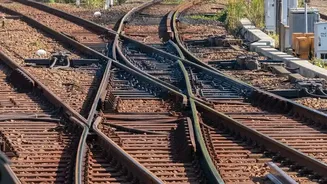
So, what exactly is 'multi-tracking'? Think of it like upgrading a single-lane road to a multi-lane highway. Many of India's busiest routes currently operate on single or double tracks, leading to bottlenecks and delays as trains wait for signals to pass. Multi-tracking projects involve adding a third or even a fourth line alongside existing ones. The recently approved projects include the Kharagpur-Jharsuguda fourth line, the Katni-Pendra Road fourth line, and the Bilaspur-Pendra Road third line. This expansion allows for more trains to run simultaneously, drastically reducing congestion and improving the overall efficiency and punctuality of the network. It's a fundamental upgrade that unlocks higher speeds and greater capacity.
Faster Travel and Fewer Delays for Passengers
For the millions of people who rely on Indian Railways, this expansion promises tangible benefits. Improved infrastructure will enhance connectivity for an estimated 4,790 villages, benefiting a population of around 56 lakh people. With less congestion on the tracks, passengers can look forward to more punctual services and potentially the introduction of new trains on high-demand routes. The expansion will also improve access to important economic centres, educational institutions, and healthcare facilities for those living in smaller towns and rural areas. Furthermore, these projects will enhance rail connectivity to several prominent religious and tourist destinations, including the Bandhavgarh Tiger Reserve and the Taratarini Temple, making travel more convenient for pilgrims and tourists alike.
Fuelling Economic Growth Across Regions
Beyond passenger convenience, these railway projects are a powerful engine for economic development. The selected corridors are essential for transporting crucial industrial commodities like coal, cement, and iron and steel. By augmenting capacity, the new lines are expected to handle an additional 27 million tonnes of freight traffic annually, which is vital for supporting industrial activity. This enhanced movement of goods helps reduce logistics costs for businesses, making Indian industries more competitive. The construction phase of these projects, which are slated for completion by 2029-30, is also expected to generate significant employment opportunities, providing a direct economic uplift to the regions involved.
Part of a Bigger Infrastructure Vision
These new railway lines are not isolated projects but are part of the broader PM Gati Shakti National Master Plan. This ambitious initiative focuses on integrated planning to create a seamless, multi-modal connectivity network across the country, linking railways, roads, and waterways. By strategically targeting high-density corridors that handle a significant portion of India's rail traffic, the government aims to create a more efficient and resilient logistics backbone for the nation. The ultimate goal is to lower logistics costs, boost economic productivity, and ensure that India's infrastructure is prepared for decades of growth.