





More Than Slow Motion
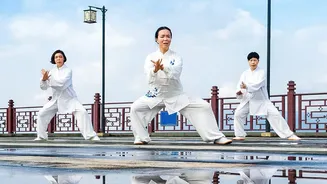
At its heart, Tai Chi is an ancient Chinese martial art now practiced globally as a form of 'meditation in motion'. It consists of a series of slow, flowing, and deliberate movements paired with deep, focused breathing. This mind-body practice is renowned
for its ability to improve muscle strength, flexibility, and, most notably, balance. Unlike high-intensity workouts, Tai Chi is gentle and non-strenuous, making it accessible to people of nearly any age or physical condition. The practice emphasizes the concept of 'Qi', or life energy, and aims to promote its smooth flow throughout the body, fostering a sense of harmony and well-being. Its movements are often circular, with relaxed muscles and joints that are never fully extended, which protects the body from strain.
The Sand and the Serenity
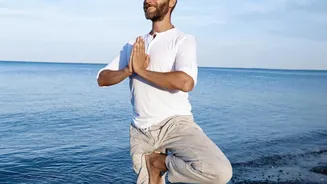
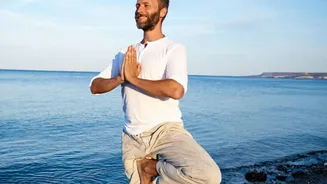
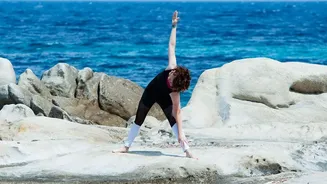
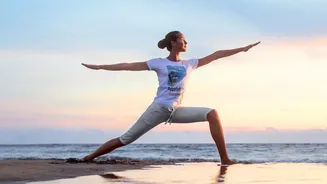
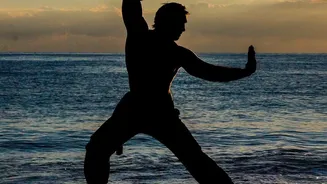
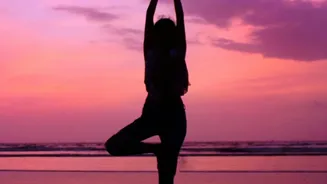
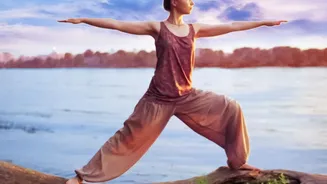
Taking this ancient practice to the beach amplifies its inherent benefits. The natural environment provides a powerful backdrop for a workout that is as much about mental clarity as it is about physical fitness. The rhythmic sound of the waves can guide breathing and movement, helping you maintain a steady, meditative pace. Fresh ocean air can improve lung capacity as you perform deep breathing exercises, while the open space enhances the feeling of freedom and connection to nature. Studies have shown that spending time in 'blue spaces' like the coast can significantly lower stress hormones and improve mood, making beach Tai Chi a potent tool for mental wellness. This unique setting transforms a simple exercise session into a holistic, sensory experience.
A Natural Balance Board
The single greatest advantage of practicing Tai Chi on sand is the profound impact on balance. Sand provides a soft, uneven, and unstable surface. This forces the smaller stabilizing muscles in your feet, ankles, and legs to work much harder to maintain your center of gravity during each slow, controlled movement. This constant engagement effectively trains your body's proprioception—its ability to sense its position in space. Over time, this enhanced awareness and strength can dramatically improve both static (still) and dynamic (in-motion) balance, which is crucial for preventing falls, particularly as we age. Exercising on sand can make your muscles work up to 60% harder and burn more calories than on a firm surface, all while being gentle on the joints.
Gentle Strength, Zero Pounding
For individuals with joint pain in the knees, back, or hips, high-impact exercises can be prohibitive. The soft, forgiving nature of sand absorbs the impact of your movements, reducing stress on your entire body. This makes beach Tai Chi an ideal workout for building strength without the associated wear and tear. The increased resistance from the sand means your muscles, from your calves and quadriceps up to your core, have to put in more effort to execute each form. This results in improved muscle tone and endurance, comparable in some ways to resistance training but without any jarring or pounding. It’s a workout that strengthens and protects the body simultaneously.
Tips for Your First Session
If you're ready to try beach Tai Chi, a few simple tips can help you get started. Consider practicing during sunrise or sunset when the temperatures are cooler and the beach is less crowded. While you can practice barefoot to directly connect with the sand and naturally exfoliate your feet, athletic shoes can provide support and protection. Start on the firmer, damp sand near the water's edge, which is more stable. As you build confidence and strength, you can gradually move to the softer, dry sand for a greater challenge. Focus on your breathing and the sensation of your feet on the sand. Remember, Tai Chi is not about perfect poses but about mindful movement, so be patient with yourself and enjoy the process of connecting with your body and the natural world.