


A Junkyard Above Our Heads
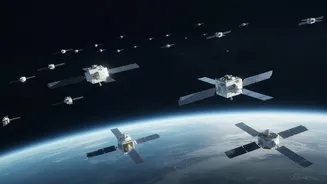
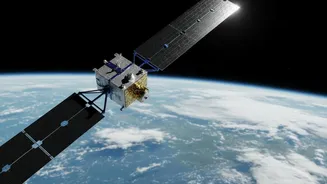
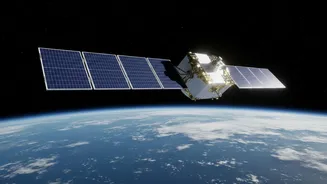
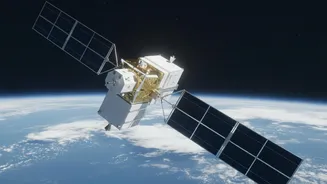
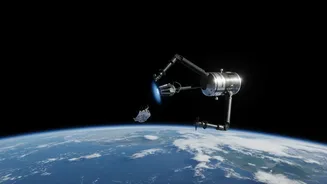
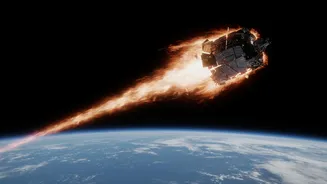
Space may seem vast and empty, but the region just above Earth is anything but. Decades of satellite launches have created a junkyard of orbital debris. This includes everything from defunct satellites and spent rocket stages to tiny fragments from accidental
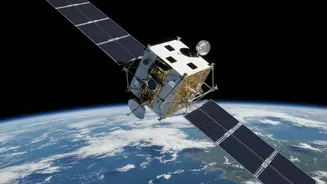
collisions, all travelling at speeds of over 28,000 kilometres per hour. There are an estimated 34,000 objects larger than 10 centimetres orbiting our planet, but only a fraction are operational satellites. This ever-growing cloud of high-speed junk poses a catastrophic threat to the operational satellites that power our modern world, providing everything from GPS navigation and weather forecasting to banking services and television broadcasts. A collision with even a small piece of debris can damage or destroy a multi-crore satellite, creating even more fragments in the process.
Why This Is India's Urgent Problem
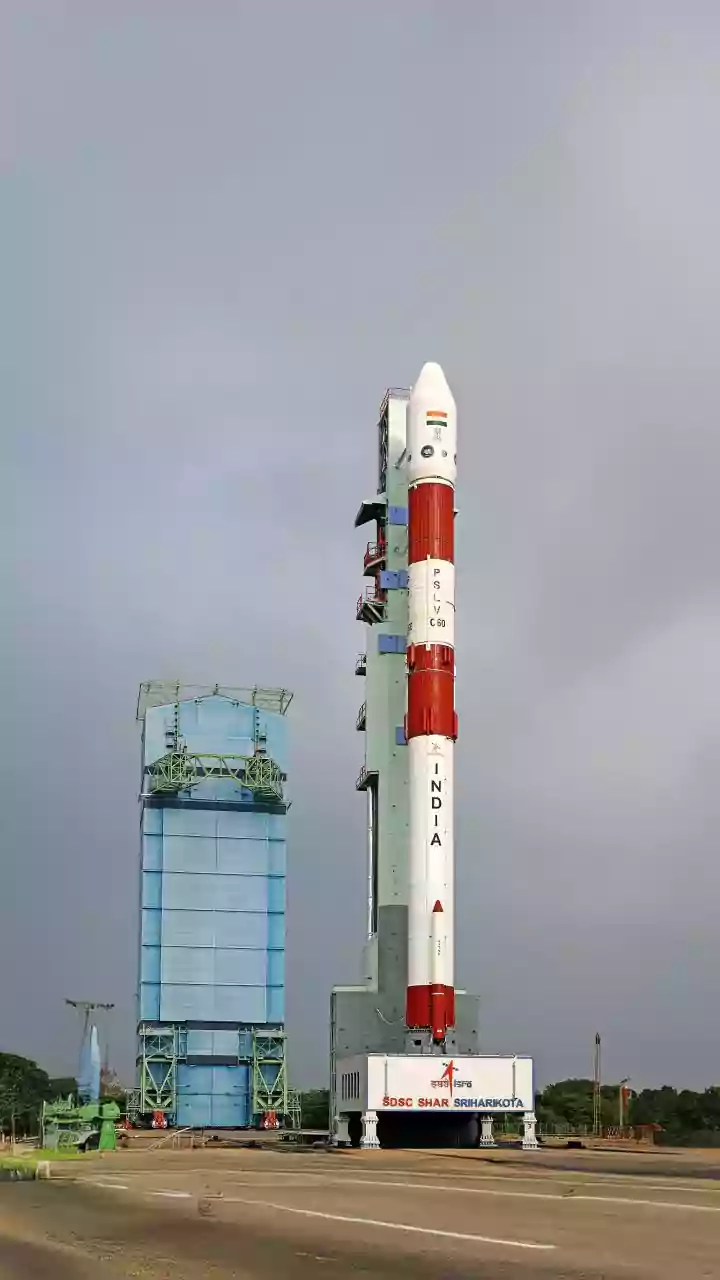
For India, this is no longer a distant, theoretical problem. With a fleet of over 50 operational satellites, ISRO has invaluable assets at risk. These satellites are the backbone of India's strategic, economic, and social infrastructure. The threat is escalating; in 2021, ISRO had to perform 19 collision-avoidance manoeuvres to protect its assets, a significant increase from previous years. As India prepares for ambitious future missions, including the Gaganyaan human spaceflight programme, ensuring the safety of its astronauts and spacecraft is paramount. The increasing congestion makes launching new satellites and operating existing ones a high-stakes challenge, turning the abstract idea of space traffic into a very practical and immediate national security concern.
Charting the Rules of the Road
Recognising this challenge, India has become a proactive voice in the call for better space traffic management (STM). This was a key theme at the recent International Conference on Spacecraft Mission Operations (SMOPS-2026) held in Bengaluru. The conference brought together global experts to discuss the need for a coordinated system to monitor space objects, predict collision risks, and establish clear protocols for orbital manoeuvres. The goal of STM is to create a predictable and safe environment, much like air traffic control does for airplanes. It involves tracking objects, sharing data between countries and satellite operators, and developing agreed-upon rules for avoiding collisions and managing the end-of-life for satellites to prevent them from becoming future debris.
India's Watchful Eye: IS4OM and NETRA
India is not just talking about the problem; it is building the solution. In a major step towards self-reliance in this domain, ISRO established the ISRO System for Safe & Sustainable Space Operations Management (IS4OM) in Bengaluru. This dedicated facility is the nerve centre for all of India's space situational awareness (SSA) activities. A key component of this initiative is Project NETRA (Network for space object TRacking and Analysis), an early warning system designed to detect and track orbital debris. Integrating powerful radars and optical telescopes, NETRA gives India an independent capability to monitor its space assets, reducing its reliance on data from foreign agencies like NORAD. This system can track objects as small as 10 centimetres, providing crucial information needed to safeguard India’s vital space infrastructure.
A Shared Sky, A Shared Responsibility
While national capabilities like IS4OM and Project NETRA are essential, experts agree that space traffic management is a global challenge that requires a global solution. No single nation can effectively manage the orbital environment on its own. The discussions at SMOPS-2026 and other international forums underscore the need for enhanced data sharing and collaboration between space-faring nations. As a major space power, India is well-positioned to play a leading role in shaping these international norms and contributing to a global framework for space sustainability. By championing responsible practices and committing to initiatives like the 'Debris-Free Space Mission by 2030', India is helping to ensure that outer space remains a safe and usable domain for future generations.