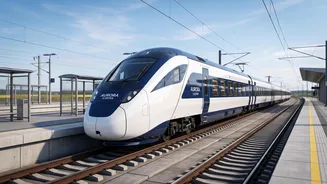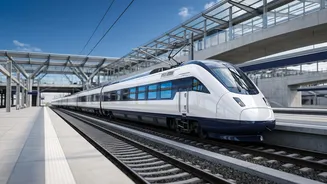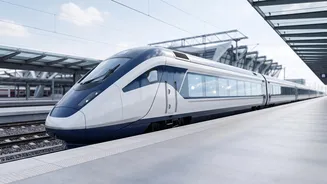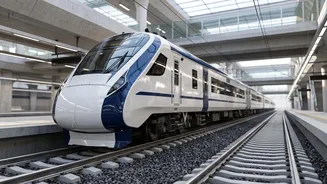






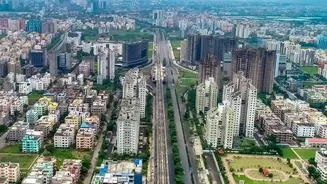


The post-pandemic dream for many urban Indians is a bigger home with space for work and family. But this dream often comes with a trade-off: a much longer, and more expensive, daily commute. It's the great Indian housing dilemma.
The Great Indian Housing Dilemma
In India's bustling metropolitan
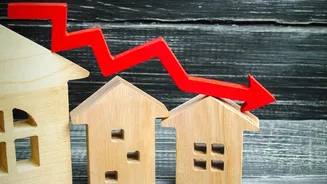
areas, a fundamental conflict is shaping the real estate market and the lives of millions. On one side is the soaring aspiration for more space. On the other is the harsh reality of geography and cost. The desire for a 3BHK or even a 4BHK flat has surged, driven by evolving family needs and the rise of hybrid work. Yet, property prices in central urban areas remain prohibitively high for many, forcing a difficult choice. To get the space they crave, homebuyers are increasingly looking outwards, to the peripheral areas and satellite cities surrounding the urban core. This decision, however, isn't just a change of address; it's a fundamental change in lifestyle, tethered to the daily grind of a longer commute.
Why Size Suddenly Matters More
The shift in housing preferences isn't just about luxury; it's about functionality. The pandemic permanently altered our relationship with our homes, transforming them into offices, classrooms, and recreation centers. This has made an extra room—once a luxury—a near necessity for many. Research shows that the requirement for a dedicated home office is now a major driver in property purchase decisions. Families with children need quiet spaces for online learning, while professionals working in a hybrid model require a productive environment away from the main living areas. This has fueled a clear 'premiumisation' trend, where a significant portion of the market is driven by buyers seeking larger, higher-quality homes, even if it means a higher ticket price.
The Urban Sprawl Equation
Developers are responding to this demand by launching large-scale residential projects in emerging suburban corridors. These townships, often located in areas like Panvel near Mumbai, Whitefield in Bengaluru, or the expanding peripheries of Delhi-NCR, offer larger apartments and better amenities like clubhouses and green spaces at more affordable prices. However, these areas frequently lack the dense social and commercial infrastructure of the city center. The result is urban sprawl, where residential growth outpaces the development of transport, healthcare, and education infrastructure. This creates a disconnect, where residents gain a spacious home but lose precious hours each day navigating traffic-choked roads to get to work, school, or the city's social hubs.
Is the Commute Really Worth It?
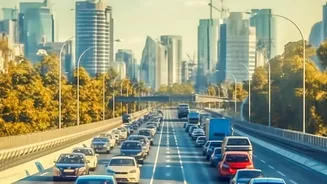
The daily commute in major Indian cities is already a significant challenge. Peak hour traffic can reduce travel speeds to as low as 13 kmph in Bengaluru and 15 kmph in Mumbai. An average oneway commute can easily stretch from 60 to 90 minutes. While a hybrid work model reduces the number of weekly trips, a twohour round trip, even if only for two or three days a week, takes a toll. It impacts not just worklife balance but also finances, with rising fuel costs and transportation expenses eating into household budgets. The decision to move further out becomes a complex calculation: are the financial savings and the extra square footage worth the time, stress, and cost of a longdistance commute? For many, the answer is complicated and comes with significant compromises.
Infrastructure is Playing Catching Up
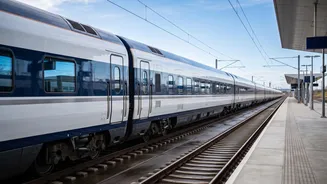
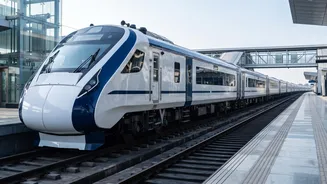
There is hope on the horizon. Massive infrastructure projects are underway across the country, designed specifically to improve connectivity to these peripheral areas. New metro lines in Mumbai and Bengaluru, the DelhiMumbai Expressway, and other regional rail projects promise to slash travel times in the future. These projects are not just about transport; they are reshaping the economic geography of cities, making decentralised urban structures more functional. The challenge, however, is the timeline. While these networks are expanding, many homebuyers moving to the peripheries today face several years of difficult commutes before the promised connectivity becomes a reality. The infrastructure is playing catchup, but for now, the gap remains.