


The Core of Pilates
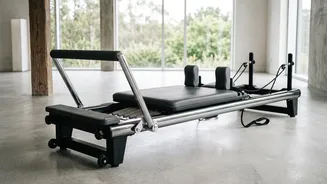
Developed in the early 20th century, Pilates is a system of exercise focused on building strength, improving flexibility, and developing control and endurance in the entire body. Its primary emphasis is on the body's 'powerhouse'—the group of muscles
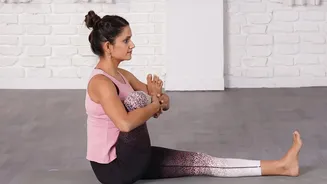
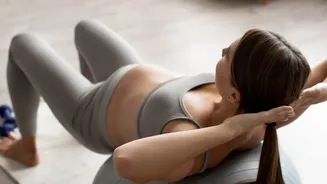
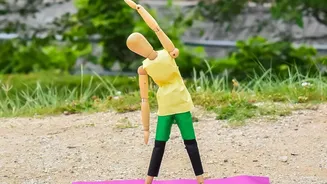
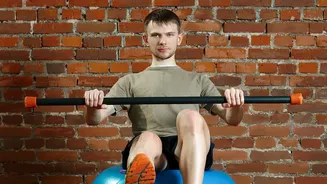
in your abdomen, lower back, hips, and buttocks. Pilates involves precise, controlled movements, often performed on a mat or specialized equipment. The philosophy is that by building a strong and stable core, you create a solid foundation for all movement, which directly translates to better posture and improved balance. Every exercise is designed to engage these deep stabilizing muscles, effectively training your body to maintain alignment and stability from the inside out.
The Flow of Tai Chi
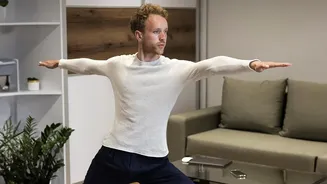
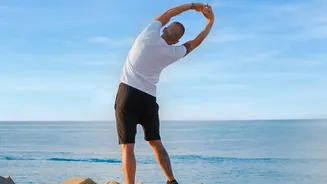
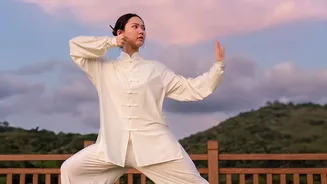
Tai Chi is an ancient Chinese martial art that is now practiced as a gentle, graceful form of exercise. Often described as 'meditation in motion', it involves a series of slow, flowing movements that transition seamlessly from one to the next. The practice emphasizes the mind-body connection, focusing on deep breathing, relaxation, and a constant, mindful shifting of weight. Unlike the targeted muscle work of Pilates, Tai Chi develops strength and balance holistically. Its movements train the body to improve proprioception—your sense of where your body is in space—which is crucial for preventing falls and maintaining stability during movement.
How Pilates Builds Balance
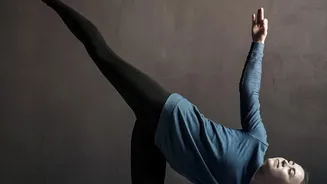
Pilates improves postural balance primarily by creating an incredibly strong and stable core. Think of your core as the anchor for your limbs. When it is strong, your arms and legs can move more freely and with greater control. Pilates exercises are designed to correct muscular imbalances, strengthening weak muscles and lengthening tight ones, which helps align the body correctly. This improved posture naturally enhances your center of gravity. Exercises like the plank, single-leg lifts, and the 'teaser' directly challenge your stability, forcing your deep core muscles to fire and keep you steady. This leads to better coordination and a heightened awareness of your body, reducing the likelihood of stumbles and falls.
How Tai Chi Enhances Stability
Tai Chi takes a different route to improving balance, focusing more on dynamic stability and sensory feedback. The continuous, slow weight-shifting movements train your body to remain stable while in motion. This process significantly strengthens the muscles and improves flexibility in the ankles, knees, and hips, which are your first line of defense against a fall. More importantly, Tai Chi hones proprioception. By moving slowly and deliberately, you become more attuned to the signals from your muscles and joints, helping your brain make faster, more accurate adjustments to maintain balance. Studies have shown that regular Tai Chi practice is highly effective at reducing fall risk, particularly in older adults, by improving their ability to anticipate and recover from a loss of balance.
The Scientific Showdown
Research consistently shows that both Pilates and Tai Chi are effective at improving balance. Tai Chi is particularly well-studied and celebrated for its ability to prevent falls, with some studies suggesting it can reduce fall risk significantly. Its strength lies in improving dynamic balance and the body's sensory feedback systems. Pilates, on the other hand, excels in building core strength, which is the foundation of static and dynamic stability. Some comparative studies have found that both disciplines are equally effective for improving dynamic balance and gait in older adults, suggesting neither is universally superior. The benefits often come down to the different mechanisms each practice employs.
Which Practice Is Right for You?
Choosing between Pilates and Tai Chi depends on your personal goals and preferences. If your primary goal is to build raw core strength, improve posture, and get a structured, toning workout, Pilates is likely the better fit for you. It is excellent for those who enjoy precise, controlled exercises and want to feel their muscles working in a targeted way. If you are looking for a more meditative, gentle, and holistic practice that enhances mind-body awareness and improves balance through fluid movement, Tai Chi is an excellent choice. It is particularly beneficial for those seeking stress reduction alongside physical stability and is often recommended for its gentleness on the joints.