






The Reality of Rising Kitchen Costs
It’s not just your imagination; your grocery bill is getting more expensive. Recent data from June 2026 shows that retail inflation has climbed, largely pushed by the rising cost of food. The Consumer Food Price Index (CFPI) rose to 5.32%, a clear indicator
that staples like vegetables, pulses, and dairy are demanding a larger share of the family budget. This trend is especially pronounced in rural areas. Experts point to a combination of factors, including erratic monsoon patterns and supply chain disruptions, which directly impact the prices you see at your local sabzi mandi. For many households, this has turned grocery shopping into a careful balancing act between nutrition and cost.
Why Seasonal Food is Naturally Cheaper
The secret to saving money lies in understanding nature’s calendar. When fruits and vegetables are in season, they are at their most abundant. Farmers harvest them in bulk, leading to a surplus in the market that naturally drives down prices. Think of tomatoes costing a fraction of their off-season price, or mangoes being affordable during the summer peak. Seasonal produce is also often local. This drastically cuts down on transportation, storage, and refrigeration costs—expenses that are otherwise passed on to the consumer. Out-of-season produce often has to travel long distances, requiring chemical preservatives to maintain freshness, which not only adds to the cost but can also affect its nutritional value.
Your Monsoon Season Shopping List
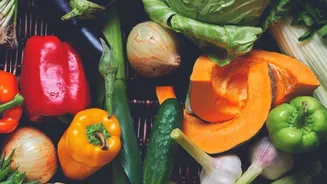
As the monsoon season is underway, certain vegetables are plentiful, fresh, and budget-friendly. Shopping for these items can lead to significant savings. Look for gourds like bottle gourd (lauki), ridge gourd (tori), and pointed gourd (parwal), which thrive in the rainy season. Other great options include ladyfinger (bhindi), cucumber, pumpkin, and brinjal. Many leafy greens and unique regional vegetables like colocasia leaves (arbi patta) and wild mushrooms also make an appearance. By building your weekly meals around these seasonal stars instead of expensive off-season choices like cauliflower or bell peppers, you align your spending with the market’s natural rhythm.
Smart Strategies for Seasonal Savings
Embracing seasonal eating goes beyond just picking the right vegetables. One of the most effective strategies is to plan your weekly meals before you shop. This ensures you buy only what you need and reduces food waste. Visiting local markets or mandis can offer better prices on fresh produce compared to supermarkets, which have higher overheads. Another smart tactic is to buy in bulk when a favourite vegetable is at its cheapest. Items like tomatoes or green peas can be purchased in larger quantities at their seasonal peak and then frozen or preserved for later use. Similarly, stocking up on non-perishable staples like rice and dals when they are on sale can free up more of your budget for fresh produce.
The Bonus: Better Taste and Health
While saving money is a primary motivator, the benefits of eating seasonally extend to your health and palate. Produce that is picked at its peak ripeness is fresher and simply tastes better. It is also packed with the highest level of nutrients. Fruits and vegetables that ripen naturally on the vine contain more vitamins, minerals, and antioxidants compared to those harvested early and stored for long periods. Different seasons provide different nutrients that our bodies need at that specific time of year. For example, hydrating fruits in the summer and vitamin C-rich produce in the winter help our bodies adapt to the climate. By eating seasonally, you not only support your wallet but also your overall well-being.