





The Tropical Trendsetter
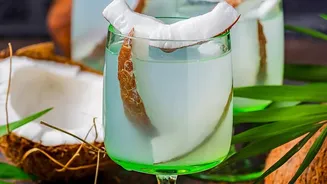
Coconut water, the clear liquid from inside young green coconuts, has become a global phenomenon. Marketed as nature's sports drink, its popularity stems from its refreshing taste and impressive electrolyte content, particularly potassium. This makes
it a go-to for quick, light hydration, especially in hot weather or after a mild workout. It is naturally low in calories and sugar compared to processed juices and sodas, which has cemented its status as a healthy choice for consumers worldwide. However, the nutritional content can vary based on the coconut's maturity, and many packaged versions contain added sugars, diminishing their health benefits.
The Traditional Thirst-Quencher
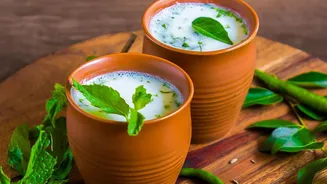
Buttermilk, known as 'chaas' in India, is a time-honoured beverage made by churning curd (yoghurt) and mixing it with water. Unlike its name suggests, traditional buttermilk contains no butter and is low in fat. Its primary claim to fame is not just its cooling effect but its rich probiotic content. This fermented drink is packed with beneficial bacteria that support a healthy gut microbiome, aid digestion, and boost immunity. Often spiced with cumin, ginger, and salt, these additions don't just add flavour but also enhance its digestive and hydrating properties.
Nutritional Showdown
When placed side-by-side, the two drinks reveal distinct profiles. A cup of coconut water is generally lower in calories than buttermilk. However, buttermilk packs a bigger punch in terms of protein and calcium, making it a more filling and bone-healthy option. Coconut water is exceptionally rich in potassium, a mineral many diets lack. Buttermilk, on the other hand, contains a more balanced blend of electrolytes, including sodium and potassium, which is crucial for replacing fluids lost through heavy sweating. Buttermilk is also a significant source of B vitamins, especially B12, and Vitamin D if fortified.
Hydration and Recovery
For pure hydration, both are effective, but their ideal uses differ. Coconut water's high potassium and natural sugars provide a quick energy boost and fluid replenishment, making it suitable after light to moderate exercise. Some studies suggest it can be as effective as commercial sports drinks for rehydration. Buttermilk's combination of water, protein, and a balanced electrolyte profile (including sodium) can make it more effective for recovery after intense, prolonged sweating. The presence of sodium helps the body hold onto water more efficiently, aiding in faster rehydration.
The Gut Health Advantage
Here, buttermilk has a clear advantage. As a fermented drink, it is a natural source of probiotics that promote a healthy digestive system. Regular consumption can help balance gut flora, reduce issues like bloating and acidity, and improve overall nutrient absorption. Ayurvedic tradition has long praised buttermilk for its digestive properties, recommending it after meals to soothe the stomach. Coconut water, while hydrating, does not contain these beneficial live cultures and offers no direct probiotic benefits.
The Verdict: Which to Choose?
There is no single winner in this contest; the best choice depends on your specific needs. Choose coconut water for a low-calorie, potassium-rich hydrator when you need a quick and light refreshment, particularly if you are not engaging in heavy sweating. Opt for buttermilk when you want a drink that aids digestion, cools the body after a spicy meal, provides a more balanced electrolyte profile for recovery, and offers the significant benefit of probiotics for long-term gut health. For daily consumption, buttermilk is often more economical and, when made at home, is free from hidden sugars and preservatives.