







The Golden Rule: Understanding a 'Serving'
We often hear we should eat several servings of fruit a day, but what does that actually mean? A standard serving isn't as large as you might think. According to health authorities like the NHS, an adult portion is about 80 grams. This translates to one
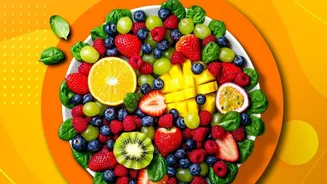
medium-sized fruit like an apple, banana, or orange. For smaller fruits, it’s about a handful, such as seven strawberries or 14 cherries. For larger fruits like mango or melon, a serving is about two 5cm slices. Exceeding these portion sizes, even with healthy fruit, can lead to a significant intake of natural sugars and calories. While it's very difficult to eat 'too much' fruit, being mindful of portions is key, especially if you have specific health goals like weight management.
The 'Healthy' Topping Trap
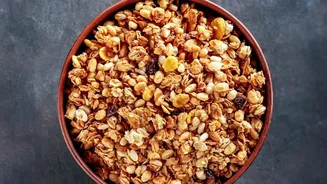
Many of us add toppings to make our fruit bowls more exciting, but even seemingly healthy options can pack a hidden punch. Granola is a classic example. While it provides crunch and whole grains, many commercial granolas are loaded with added sugars and oils, with a single half-cup serving containing over 250 calories. Similarly, a drizzle of honey might seem natural, but it's still a form of concentrated sugar. Dried fruit is another one to watch; because the water has been removed, the sugar is much more concentrated, and it's easy to eat far more than a standard 30-gram serving. A bowl of fruit with granola and honey can quickly add up, sometimes exceeding 400 calories.
When Sweet Additions Go Wrong
Then there are the more obviously indulgent toppings. A scoop of ice cream, a generous swirl of whipped cream, or a drizzle of chocolate sauce can transform a healthy fruit snack into a full-blown dessert. While delicious, these additions are high in saturated fat and added sugars, offering little nutritional benefit and significantly increasing the calorie count. For example, a simple fruit and yogurt parfait can jump from a reasonable snack to a high-calorie meal depending on the type of yogurt and the amount of sugary toppings added. Enjoying these is perfectly fine as an occasional treat, but it's important to recognise them as such, rather than as a healthy daily habit.
Smart Swaps for a Better Fruit Bowl
The good news is that there are plenty of delicious and genuinely healthy ways to top your fruit. Pairing fruit with a source of protein is an excellent strategy. It helps you feel fuller for longer and supports muscle health. Instead of sweetened yogurt, opt for plain Greek yogurt or dahi, which is rich in protein and probiotics. For that satisfying crunch, swap sugary granola for a sprinkle of nuts and seeds like walnuts, almonds, chia seeds, or hemp seeds. These provide healthy fats, fibre, and extra protein. A dash of cinnamon can add sweetness without any calories and may even help regulate blood sugar.
Building the Perfect, Balanced Snack
To get the most out of your fruit, think in terms of balance. Start with a proper serving of your favourite fresh or frozen fruit—berries, sliced banana, or chopped apple are all great choices. Add a scoop of plain Greek yogurt for creaminess and protein. Sprinkle on a tablespoon of chia seeds or chopped walnuts for healthy fats and a satisfying crunch. If you desire extra sweetness, consider making your own simple fruit compote by simmering berries with a splash of water and lemon juice, with no added sugar. This approach ensures you get the vitamins, minerals, and fibre from the fruit while adding nutrients that support sustained energy and satiety.