

The Hidden Costs of Traditional Cooking
Many beloved Indian dishes, from crispy samosas to rich curries, traditionally rely on generous amounts of oil for frying and flavour. While delicious, a diet high in fried foods and excessive oil can have long-term health consequences. Frying not only
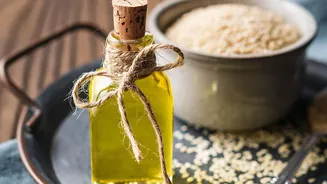
adds a significant number of calories but can also increase the intake of unhealthy saturated and trans fats. Research consistently links high consumption of these fats with an increased risk of heart disease and high cholesterol. Moreover, cooking at very high temperatures, as in deep frying, can diminish the nutritional value of foods, breaking down sensitive vitamins and minerals before they even reach your plate. The goal isn't to demonise oil entirely, but to understand that how much and what kind we use plays a crucial role in our overall health.
The Gentle Power of Steaming
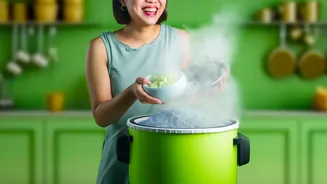
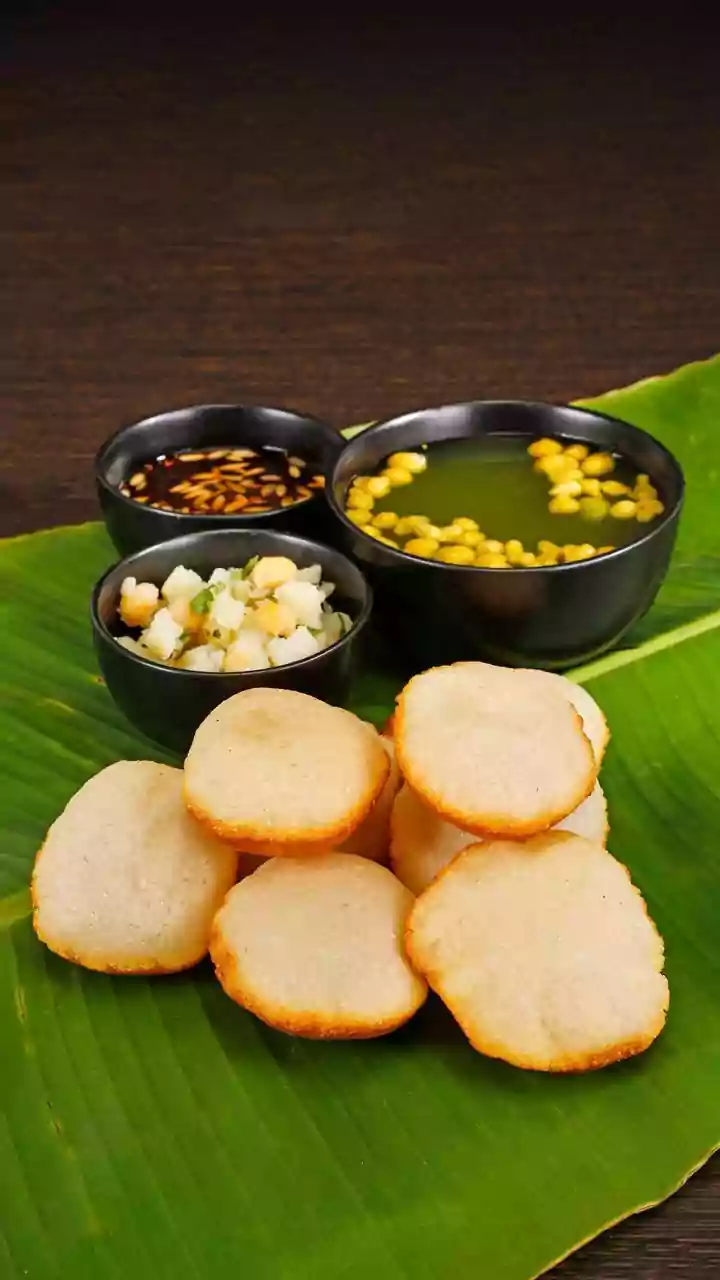
Steaming is one of the healthiest cooking methods available, and it’s a technique that has been part of Indian cuisine for centuries in dishes like idli and dhokla. Its primary benefit lies in nutrient retention. Unlike boiling, where water-soluble vitamins like C and B can leach into the water and be discarded, steaming cooks food with gentle, moist heat, locking in more of its natural goodness. Steaming requires no added oil, which immediately lowers the calorie and fat content of a meal. This method also helps preserve the food's natural texture, colour, and flavour, proving that healthy eating can be vibrant and delicious. From fish and chicken to a wide array of vegetables, steaming is a versatile method that makes food easier to digest by softening its fibres.
Smart Ways to Reduce Oil in Daily Cooking
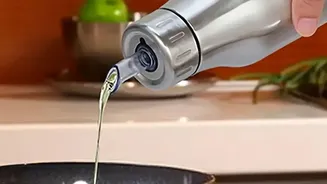
Reducing oil doesn't mean your food has to be bland or dry. A few clever techniques can help you cut down significantly without anyone noticing the difference. One of the most effective changes is switching to good-quality non-stick or heavy-bottomed cookware, which prevents food from sticking and can reduce oil usage by over 50%. When a recipe calls for sautéing, and the pan gets dry, resist adding more oil. Instead, deglaze the pan with a splash of water or vegetable stock to keep the ingredients moving. For vegetables that are typically fried, like bhindi or brinjal, try roasting or air-frying them with a minimal spray of oil before adding them to your curry. This achieves a similar texture with a fraction of the fat.
Building Flavour Without the Fat
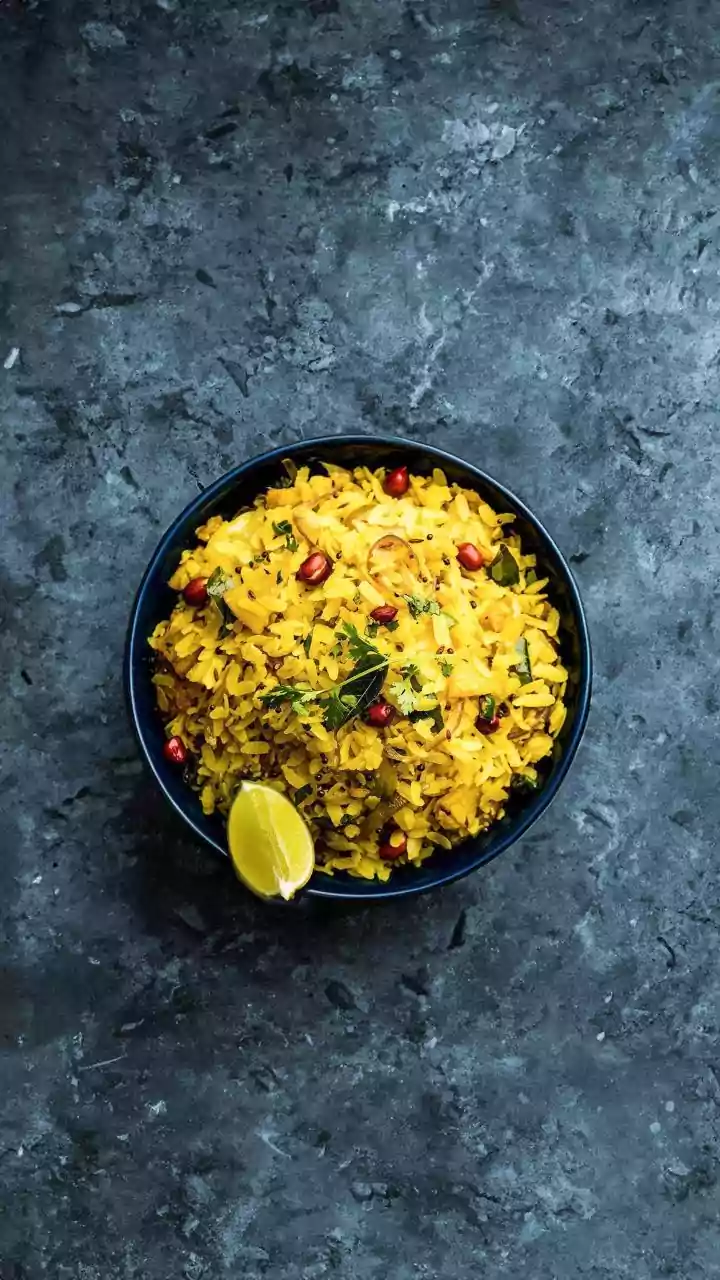
The biggest fear when reducing oil is losing flavour, especially the rich taste that comes from a well-made tadka or masala. However, much of that aroma comes from the spices themselves, not just the fat they are cooked in. A fantastic technique is to dry-roast whole spices like cumin, coriander, and mustard seeds in a hot pan until they become fragrant. Once roasted, they can be ground and added to the dish, providing an intense depth of flavour. You can still make a tadka with just a single teaspoon of oil in a non-stick pan; the key is to let the spices bloom properly over controlled heat. Don't underestimate the power of other flavour agents. Using yogurt for creaminess, tomato puree for body, and a final squeeze of lemon juice to brighten the dish can create complex, satisfying meals that are naturally lower in fat.