
The Creamy Comfort of Aloo Posto
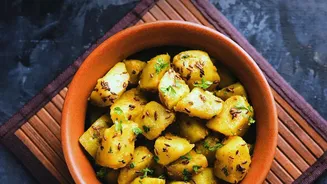
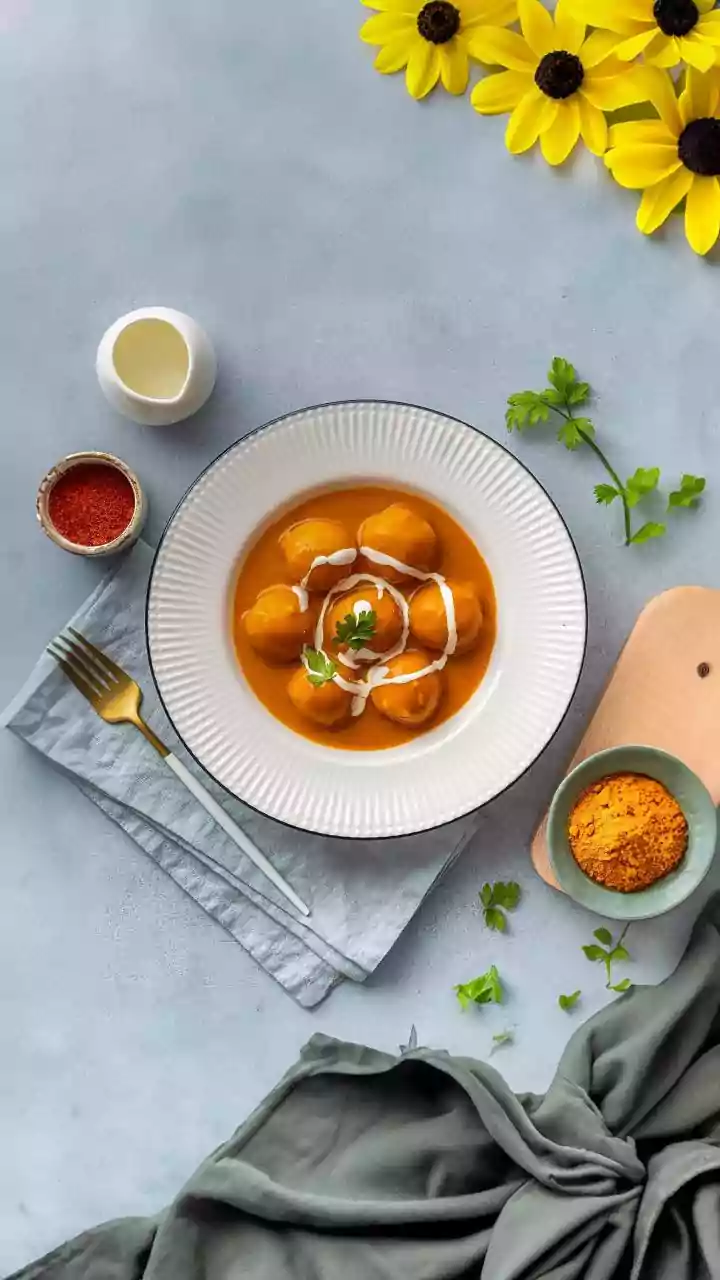
In Bengali households, Aloo Posto is more than just a dish; it is an emotion, a hug in a bowl. This iconic vegetarian preparation features potatoes diced and gently cooked in a creamy, nutty paste of white poppy seeds, known as 'posto'. Unlike many robust
Indian curries, Aloo Posto is celebrated for its subtlety. The flavours are minimal yet profound, with the earthy taste of the poppy seeds taking centre stage, complemented by the sharp heat of green chillies and the distinctive aroma of mustard oil. Often served with hot rice and a simple dal, it’s the definitive comfort food, especially cherished during the hot summer months for its supposed cooling properties. Its consistency can vary from a dry stir-fry to a light, soupy gravy, a matter of spirited debate in Bengali families.
The Unexpected Legacy of Poppy Seeds
The story of 'posto' in Bengali cuisine is a fascinating chapter of history born from hardship. Poppy seeds entered the Bengali diet as a consequence of the British East India Company's exploitative opium cultivation in the 18th and 19th centuries. As vast farmlands were converted from food crops to poppy plantations, food became scarce. Resourceful farmers' wives discovered that the leftover poppy seeds, once the opium latex was extracted, could be ground into a paste. This paste not only added a pleasant, nutty flavour but also acted as a thickener, turning frugal meals of boiled potatoes or leftover rice into something substantial and delicious. From this survival tactic, an entire culinary tradition was born, cementing posto's place as a beloved staple.
The Pungent Power of Aloo Pitika
Travel northeast to Assam, and you'll find the potato transformed into something entirely different but equally cherished: Aloo Pitika. The word 'pitika' in Assamese means 'mashed', and this dish is the heart of Assamese comfort food. It is a rustic and soulful preparation made by mashing boiled potatoes with a few powerful, raw ingredients: finely chopped onions, fiery green chillies, fresh coriander, and a generous drizzle of pungent, raw mustard oil. There is no complex cooking involved beyond boiling the potato, yet the result is a flavour explosion. The sharp, almost sinus-clearing quality of the mustard oil is the signature of the dish, creating a bold contrast to the soft, fluffy potato.
An Ode to Simplicity
Aloo Pitika represents the core philosophy of Assamese home cooking: minimal ingredients and an emphasis on bringing out their natural flavours. It is the quintessential side dish, almost always present in a traditional Assamese thali alongside rice and dal. While Aloo Pitika is the most common version, the 'pitika' style extends to a variety of other vegetables, and even fish, all mashed by hand to achieve a texture that is rustic, not perfectly smooth. This humble mash is not just food; it’s a direct connection to the region's roots, embodying a way of life that finds profound satisfaction in simplicity. It is typically served at room temperature, making it a refreshing accompaniment in any weather.
A Tale of Two Potatoes
Comparing Aloo Posto and Aloo Pitika is like comparing two beautiful, distinct personalities. The Bengali Aloo Posto is gentle, creamy, and mild, its character shaped by the slow-cooked, nutty sweetness of poppy seed paste. It’s a dish that soothes. In contrast, the Assamese Aloo Pitika is assertive, sharp, and invigorating, defined by the raw, pungent kick of mustard oil and onions. It’s a dish that awakens the senses. Together, they tell a wonderful story of India's culinary diversity. They show how a single, universal ingredient—the potato—can be interpreted in vastly different ways, reflecting the unique history, climate, and palate of a region. Both are born from a love for simple, honest flavours and stand as proud representatives of Eastern India's rich food heritage.