







The Secret to Balanced Turmeric
Before we get to the recipes, the most important technique is learning how to treat turmeric right. The key is to “bloom” the spice. Turmeric’s flavour compounds are fat-soluble, meaning they need oil or ghee and gentle heat to be released properly. Simply
adding the powder to water or stock won't unlock its full potential and can result in a raw, bitter taste. The best practice is to sauté your aromatics like onion and garlic first, then add the turmeric and other ground spices to the hot oil for about 30 to 60 seconds until fragrant, just before adding your liquids. This simple step turns the oil into a flavour-infused base, ensuring the turmeric's warmth is distributed evenly without being aggressive. Also, a little goes a long way; start with a smaller amount, like a half teaspoon, as you can always add more.
1. Creamy Golden Lentil Soup
A bowl of dal is the ultimate comfort food, and this version uses turmeric to create a beautiful golden hue and gentle warmth. The key to keeping the turmeric flavour subtle is balancing it with other ingredients. A creamy base, whether from full-fat coconut milk or a cashew cream, softens the spice's earthy notes. Start by blooming turmeric with ginger, garlic, and cumin in hot oil. Add red or green lentils and vegetable broth, then let it simmer until the lentils are tender. A squeeze of fresh lemon juice at the end brightens the flavours, while the creaminess from the coconut milk or nuts ensures the overall taste is mellow and comforting, not sharp or medicinal. It’s a complete, nourishing meal that feels like a warm hug.
2. Gentle Turmeric Rice Pilaf
Turmeric rice, or Haldi Chawal, is a simple, comforting dish often served when one is feeling under the weather. To elevate it into a flavourful pilaf without letting the turmeric take over, the trick is in the technique and the supporting cast of spices. After rinsing your basmati rice, sauté finely diced onions in ghee or oil until soft. Add whole spices like a bay leaf or a cinnamon stick, then bloom a small amount of turmeric powder until the oil turns a brilliant gold. Add the rice and toast it in the fragrant oil before adding your stock or water. The turmeric provides a gorgeous, even colour and a subtle, earthy background note rather than a dominant flavour, allowing the fragrance of the basmati and whole spices to shine through.
3. One-Pot Golden Chicken and Rice
Inspired by the flavours of golden milk, this one-pot meal combines tender chicken and creamy rice in a warming, subtly spiced sauce. Here, turmeric is part of a team of spices including ginger, garlic, and cumin. The chicken is first seared to get a crispy skin. Then, in the same pot, aromatics are softened before the spices are bloomed. Adding a creamy element like coconut cream or milk is crucial; it mellows the turmeric and creates a rich, luxurious sauce for the rice to absorb as it cooks with the chicken. The result is fall-off-the-bone chicken and perfectly cooked, flavourful rice where the turmeric adds colour and depth without overpowering the dish.
4. Turmeric-Spiced Roasted Vegetables
Roasting vegetables brings out their natural sweetness, which provides a perfect counterpoint to turmeric's earthy flavour. For a gentle touch, turmeric works best as part of a spice blend rather than on its own. Toss vegetables like cauliflower, potatoes, and carrots in a bit of oil, then sprinkle with a mix of turmeric, cumin, coriander, and a pinch of black pepper, which helps the body absorb turmeric's beneficial compounds. The key is to use just enough turmeric to give the vegetables a lovely golden glow and a warm, background spice note. Roasting at a high temperature caramelizes the vegetables and toasts the spices, creating a delicious, mellow flavour that is complex, not one-note.
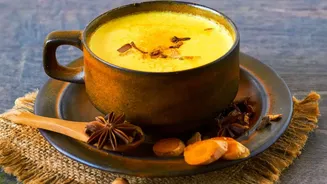
5. Soothing Haldi Doodh (Golden Milk)
A timeless classic in Indian households, Haldi Doodh is perhaps the most famous recipe for enjoying turmeric's comforting properties. While it is a simple drink, achieving the right balance is key. To avoid a bitter taste, gently warm the milk (dairy or plant-based) in a saucepan without boiling it. Add a small amount of turmeric—no more than half a teaspoon per cup—along with other warming spices like a pinch of ground cinnamon, ginger, or cardamom. A dash of black pepper is traditionally included to boost absorption. Finally, adding a healthy fat like a few drops of ghee or coconut oil and a touch of sweetness from honey or jaggery helps to smooth out the flavours, creating a soothing, aromatic drink perfect for winding down.