







Why Soaking is a Non-Negotiable Step
Before we get into the 'how long', let's understand the 'why'. Soaking urad dal does more than just soften it. This essential process rehydrates the lentils, making them easier to grind into a smooth, consistent batter. More importantly, it helps break
down complex compounds like phytic acid and tannins. These anti-nutrients can interfere with your body's ability to absorb essential minerals like iron and zinc. Soaking also tackles oligosaccharides, complex sugars that can cause bloating and digestive discomfort, making the dal much easier on your stomach. Finally, a proper soak reduces the overall cooking time, saving both time and energy in the kitchen.
The Golden Window: How Long to Soak?
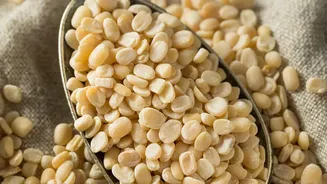
Here's where things get specific, because there is no single answer. The ideal soaking time depends on the type of urad dal you are using and the dish you plan to make. For whole black urad dal (sabut urad), used in dishes like Dal Makhani, a longer soak is necessary. Aim for at least 6-8 hours, or even overnight. This ensures the tough outer skin softens completely, leading to that signature creamy texture. For split and skinned urad dal (dhuli urad), which is commonly used for idli, dosa, and vada batters, the soaking window is shorter and more debated. Many experienced cooks suggest a period of 4 to 6 hours is optimal. Some recipes for idli batter even call for as little as 30 minutes to 2 hours, arguing a shorter soak helps achieve a fluffier batter after grinding. The key is that split dal hydrates much faster than its whole counterpart.
The Dangers of Getting it Wrong
Soaking is a balancing act, and getting the timing wrong can impact your final dish. If you under-soak your dal, it will remain hard and refuse to grind into a smooth paste. This results in a grainy, coarse batter, leading to hard idlis or dense vadas. On the other hand, over-soaking presents its own set of problems. When left in water for too long, urad dal can start to ferment prematurely, developing a sour, yeasty smell and a slimy texture. An over-soaked batter absorbs more water, which can make vadas excessively oily upon frying and cause idlis to become flat instead of fluffy. If you've soaked your dal for more than 12 hours at room temperature and it has an unpleasant odour, it is best to discard it for safety.
Practical Tips for the Perfect Soak
To ensure success every time, follow a few simple guidelines. First, always rinse your dal thoroughly under running water 3-4 times before soaking. This removes dust, polish, and other impurities. Use plenty of fresh water for soaking, as urad dal can absorb more than double its weight in water. A general rule of thumb is to use at least three cups of water for every one cup of dal. Also, consider your climate. In warmer, more humid weather, the soaking process will be faster, so you might need less time. Conversely, in colder months, you may need to extend the soaking time slightly to achieve the same softness. For a faster soak, some cooks use warm water, which can cut the required time significantly.