






The Shrinking Spectrum of Our Food
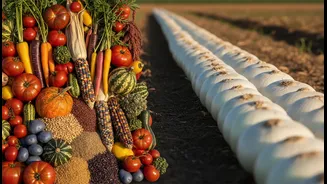
When we talk about biodiversity, we often picture lush rainforests or coral reefs. But there's another kind, equally vital, that lives in our farms and kitchens: agrobiodiversity. This isn't just about the difference between a potato and a carrot, but
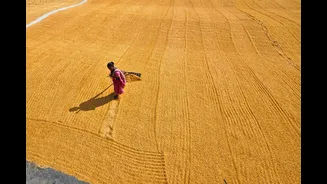
the thousands of varieties within each species. India, for instance, was once home to over 100,000 varieties of rice. Today, only a small fraction of those survive in our fields. Globally, the story is just as stark. Of the 6,000 plant species humans have cultivated for food, just nine now account for two-thirds of all crop production. We are witnessing a large-scale extinction, not of animals, but of the flavours, textures, and nutrients that have sustained us for millennia.
The Simple Economics of Extinction
The core of this decline lies in a straightforward economic principle: demand dictates supply. Farmers, like any business owner, grow what they can sell. When markets, supermarkets, and consumers consistently choose a few standardized, high-yielding varieties of wheat, corn, or tomatoes, the economic incentive to cultivate lesser-known, traditional varieties disappears. Over time, the seeds for these local, heirloom crops are no longer saved or planted. In regions like Vidarbha, farmers have noted the disappearance of dozens of local crop varieties within a single lifetime as cash crops like Bt cotton and soybean, which have a clearer market, take over. This market pressure creates a cycle of simplification, pushing agriculture towards monocultures that are profitable in the short term but carry hidden long-term risks.
Why We Lose More Than Just a Crop
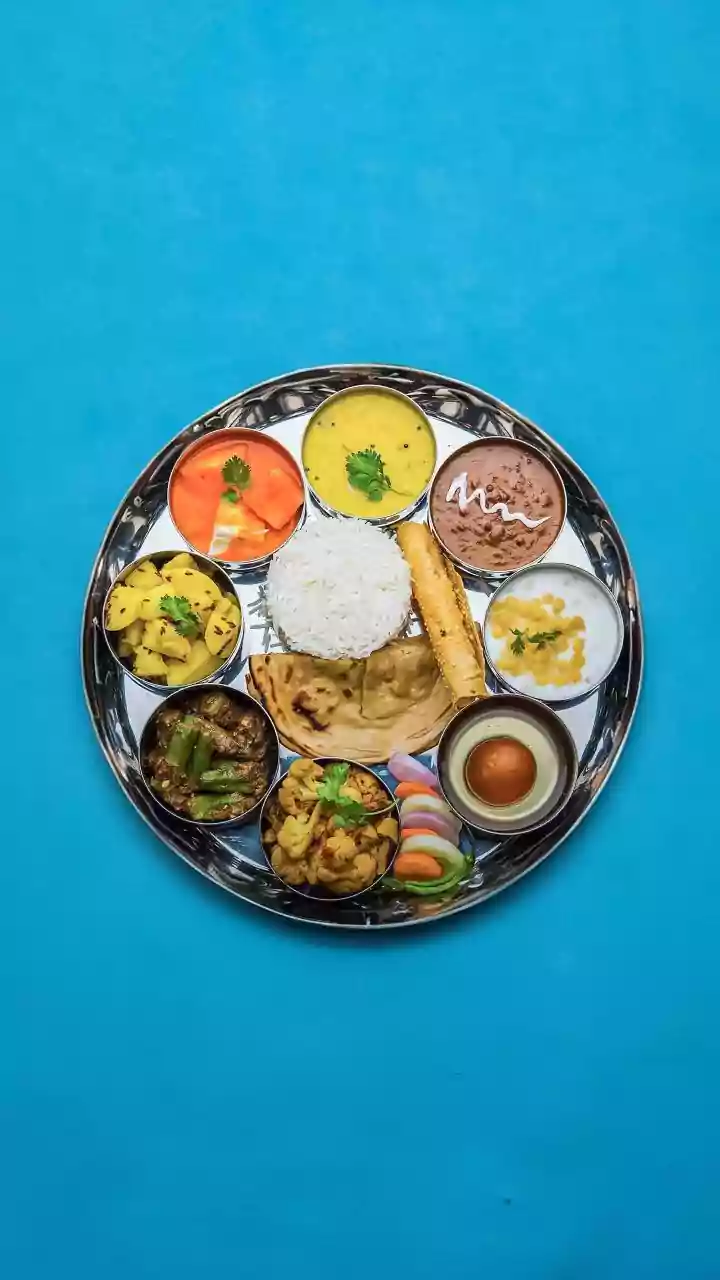
Losing a crop variety is not just a loss for farmers; it's a loss for everyone. Firstly, it impacts our nutritional security. Many traditional crops are powerhouses of micronutrients that their modern, uniform counterparts lack. The erosion of this diversity is linked to rising micronutrient deficiencies. Secondly, it cripples our agricultural resilience. A wide genetic pool is our best insurance against climate change, pests, and diseases. Monocultures are dangerously vulnerable; a single new pest or a drought can wipe out an entire harvest, as history has repeatedly shown. Finally, it erodes our culture. With the loss of native crops like Kattuyanam rice in Tamil Nadu or the iron-rich black rice of Manipur, we also lose the traditional recipes, culinary knowledge, and cultural identity intertwined with them.
The Power on Your Plate
While the trend is alarming, the solution begins with recognizing the power we hold as consumers. The recent resurgence of millets in India is a perfect case study. Driven by a renewed consumer interest in health, wellness, and tradition, the demand for millets has surged. This, in turn, has created a viable market, encouraging farmers to cultivate these hardy, nutritious grains once again. This demonstrates that consumer choice can create a virtuous cycle. When we actively seek out and buy local, indigenous varieties—whether it's desi corn instead of sweet corn, or a local rice variety over a generic one—we send a powerful economic signal back through the food chain. This signal tells farmers that there is a market for diversity, making it economically feasible for them to be custodians of our agricultural heritage.