




A Torrent in the Himalayas
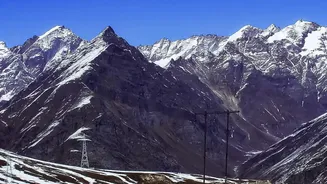
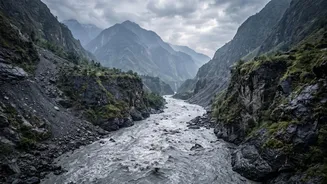
Shortly before 9 a.m. on August 26, 2026, a flash flood of terrifying speed and scale struck central Nepal. Scientists believe a massive ice and rock avalanche collapsed from a glacier near the Nepal-China border, sending a devastating debris flow down
the Bhote Koshi-Trishuli river system. The surge was so powerful that it registered as a magnitude 5.2 seismic event and, at one point, caused the Trishuli River to rise by nine meters in just 30 minutes. The torrent obliterated settlements, destroyed at least 32 bridges, and crippled vital hydropower projects. The human cost has been immense, with hundreds confirmed dead and thousands remaining missing as of late August, including foreign tourists and hydropower workers. For many communities, it was a terrifying echo of past tragedies in a region still rebuilding from the 2015 earthquake.
The Science of a Ticking Clock
This event, while shocking, was not unpredictable. It has thrown a harsh spotlight on Glacial Lake Outburst Floods (GLOFs), a rapidly growing threat across the high mountains of Asia. The Himalayas, often called the “Third Pole,” are warming at an alarming rate, causing glaciers to retreat faster than ever. As they melt, they leave behind vast lakes filled with meltwater, often held back by nothing more than unstable dams of loose rock and soil known as moraines. These natural dams can fail with little warning, triggered by an avalanche, an earthquake, or even just the pressure of the rising water. A 2026 study identified 76 potentially dangerous glacial lakes in the China-Nepal Himalaya region alone. The result is a destructive slurry of water, ice, and boulders that scours everything in its path, a hazard that climate change is making more frequent and more severe.
A Shared and Fragile Ecosystem
The disaster in Nepal is a grave reminder that Himalayan hazards do not respect international borders. The mountain range is a shared water tower for nearly two billion people, feeding Asia’s great rivers like the Ganges, Indus, and Brahmaputra. What happens in the upper reaches of Nepal or Tibet has direct consequences for communities downstream in India. The 2013 Kedarnath disaster in Uttarakhand and the 2023 GLOF in Sikkim were driven by the same volatile mix of melting ice and fragile geology, causing immense destruction within India. In response to the current crisis, India has positioned its National Disaster Response Force (NDRF) teams in border states like Bihar and Uttar Pradesh, preparing for potential downstream impacts from Nepal's swollen rivers. The crisis has underlined the deep interconnectedness of the region, with hundreds of Indian nationals also caught in the disaster zone.
From Reaction to Resilience
For years, experts have warned that the region’s approach to disaster management is dangerously reactive. The Nepal flood overwhelmed some automated early-warning stations, sweeping them away before they could transmit alerts. This highlights a critical weakness: preparedness strategies often assess risks like landslides and floods in isolation, failing to account for “cascading” disasters where one event rapidly triggers another. Simply rebuilding what was lost is no longer a viable option. The challenge now is to build differently, with climate-resilient infrastructure, hazard-sensitive land planning, and robust, cross-border cooperation. Following the disaster, Nepal and China agreed to increase the sharing of real-time hydrological data, a crucial step. But a more comprehensive regional framework for monitoring glaciers, sharing warnings, and coordinating responses is desperately needed.