
Gurudongmar Lake, Sikkim
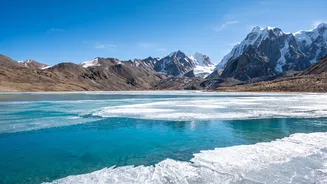
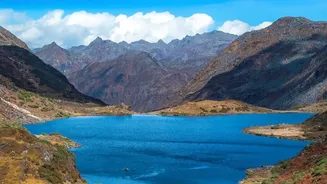
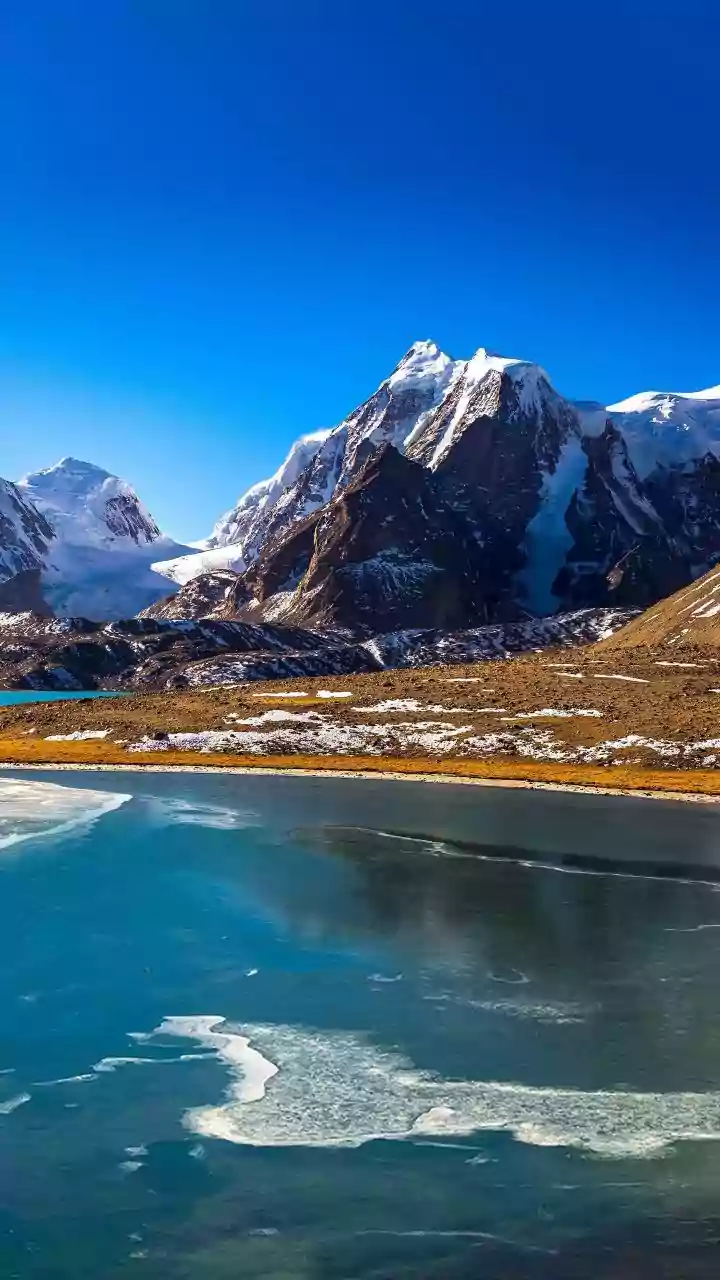
Perched at a staggering altitude of over 17,000 feet, Gurudongmar Lake is one of the highest lakes in the world. Located in North Sikkim, its ethereal beauty is amplified by the surrounding snow-capped peaks and barren, windswept terrain. Considered sacred
by both Buddhists and Sikhs, the lake is named after Guru Padmasambhava, who is believed to have visited in the 8th century. A fascinating feature is a small part of the lake that is said to never freeze completely, even in the harshest winters, a phenomenon attributed to a divine blessing. The journey here is as dramatic as the destination, passing through rugged Himalayan landscapes. Travellers need to acclimatise properly due to the extreme altitude.
Tsomgo Lake, Sikkim
Also known as Changu Lake, Tsomgo is a glacial wonder located just 38 kilometres from Gangtok on the way to Nathula Pass. Nestled at an altitude of about 12,400 feet, this sacred lake's appearance changes dramatically with the seasons. In spring and summer, its clear waters reflect the surrounding alpine meadows, while in winter, it transforms into a frozen expanse of ice and snow. For centuries, Buddhist monks would study its changing colours to forecast the future. It’s a popular spot for visitors who enjoy the scenic drive and the opportunity for a yak ride along its banks. Due to its location in a protected area, permits are required for a visit.
Loktak Lake, Manipur
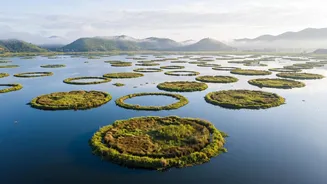
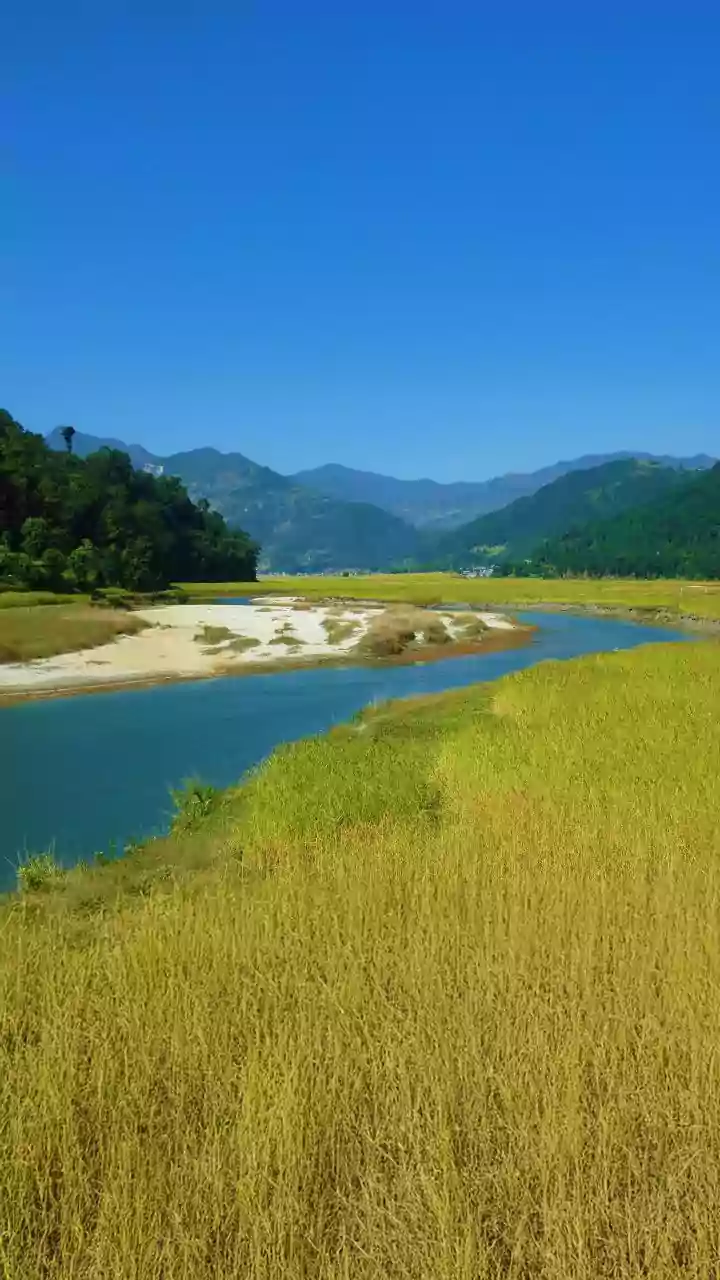
Loktak Lake is not just the largest freshwater lake in Northeast India; it's a world unto itself. Its most famous feature is the presence of 'phumdis' — large, circular masses of vegetation, soil, and organic matter that float on its surface. These floating islands are so significant that the largest one, covering 40 square kilometres, hosts the Keibul Lamjao National Park, the only floating national park in the world. This unique park is the last natural refuge of the endangered Sangai, or Manipur's dancing deer. Local fishing communities live on these phumdis in floating huts, making the lake a vibrant cultural and ecological marvel.
Umiam Lake, Meghalaya
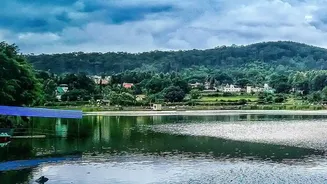
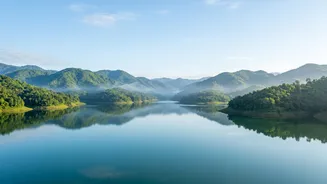
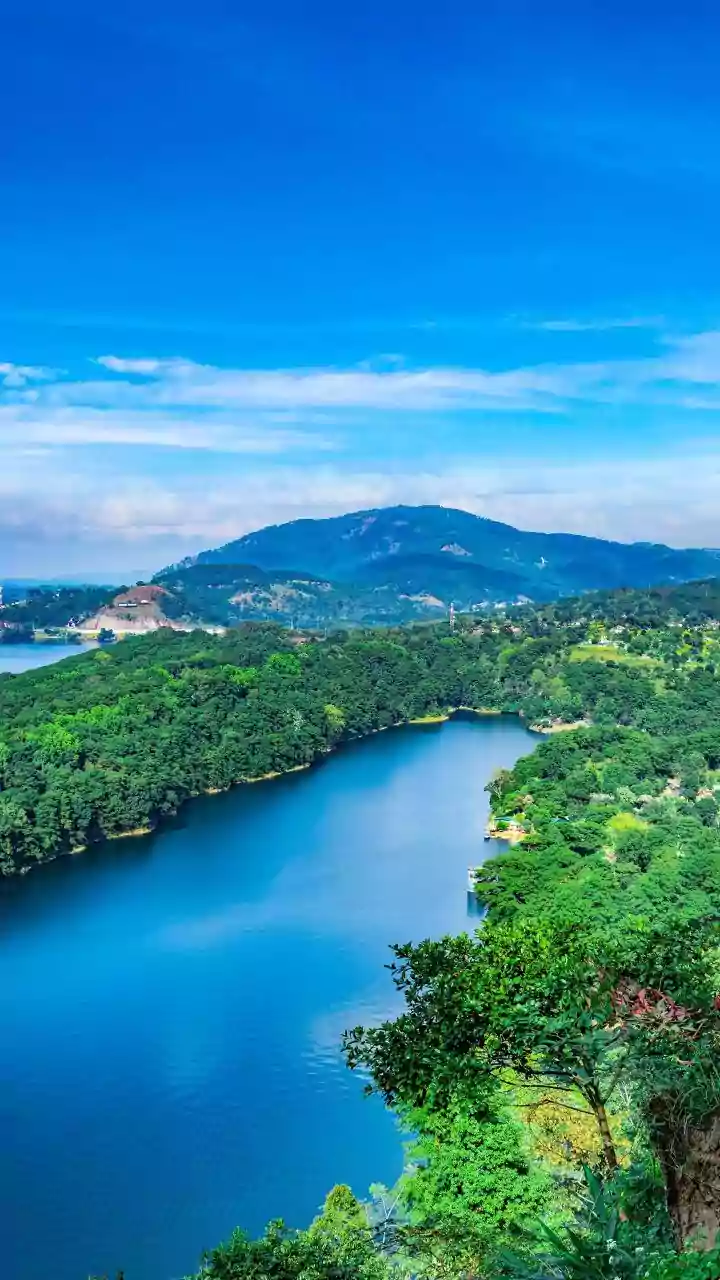
Often called 'Barapani' or 'big water', Umiam Lake is a vast man-made reservoir located just 15 km north of Shillong. Created in the early 1960s by damming the Umiam River, its sprawling waters are surrounded by the lush, rolling Khasi hills, earning it comparisons to the scenic lochs of Scotland. The lake is a popular recreational hub for both locals and tourists, offering a wide range of activities like boating, kayaking, water skiing, and sailing. The viewpoint along the highway provides a stunning panoramic vista of the water against the backdrop of pine-covered hills, making it a perfect spot for photography and a serene escape.
Sela Lake, Arunachal Pradesh
Situated near the high-altitude Sela Pass at around 13,700 feet, Sela Lake is often called 'Paradise Lake' for its breathtaking beauty. This sacred glacial lake is one of 101 holy lakes revered in Tibetan Buddhism. Surrounded by snow-dusted peaks, its crystal-clear waters perfectly mirror the sky and mountains on calm days. In winter, the lake often freezes completely, creating a starkly beautiful, pristine white landscape. The journey to Tawang is incomplete without a stop here, offering travellers a moment of tranquillity and a chance to witness the raw, untouched beauty of the Eastern Himalayas.
Shilloi Lake, Nagaland
Located in the Phek district, Shilloi is the largest natural lake in Nagaland and is steeped in local legend. From an aerial view, the lake is said to be shaped like a human footprint. It is considered sacred by the local Pochury and Chakhesang tribes. One enduring myth claims that the spirit of a 'lake queen' protects its waters, and because of her presence, no one has ever drowned in the lake. Surrounded by pine forests and rolling hills, the area is a haven for anglers and birdwatchers, attracting migratory birds during the winter months. Its remote location and spiritual significance offer a truly offbeat travel experience.
Tam Dil, Mizoram
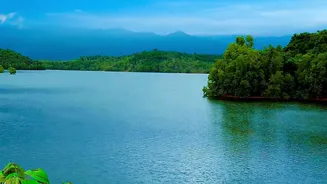
Meaning 'Lake of Mustard' in the Mizo language, Tam Dil is a man-made lake located about 85 kilometres from Aizawl. Set against a backdrop of dense forests and hills in the Saitual district, it is the most frequented lake in Mizoram. The name comes from a local legend about a large mustard plant that once grew here. Today, it’s a serene spot developed for tourism, offering boating and a peaceful escape into nature. The tranquil waters and the surrounding lush greenery make it an ideal destination for picnics, fishing, and simply unwinding in the quietude of the Mizo hills.
Haflong Lake, Assam
Situated in the heart of Assam's only hill station, Haflong Lake is the town's most prominent landmark. This large, picturesque lake offers well-maintained avenues for strolling and facilities for boating, making it a popular recreational spot. A beautiful hanging bridge stretches across a part of the lake, offering scenic views and great photo opportunities. During winter, the lake becomes a temporary home for thousands of migratory birds, delighting birdwatchers. Its central location and serene atmosphere provide a perfect setting to relax and enjoy the gentle pace of life in the hills of Dima Hasao.