




What Exactly Is Matcha Protein?
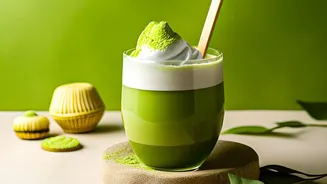
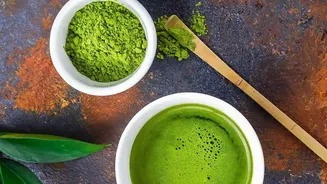
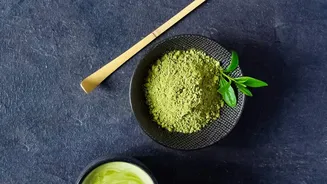
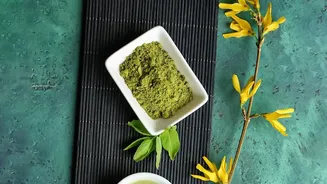
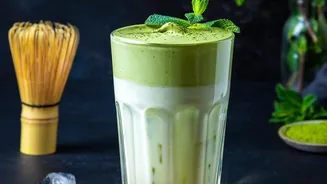
Matcha protein isn’t a single, off-the-shelf product but a powerful combination of two wellness worlds. It's a blend of matcha—a finely ground powder of specially grown green tea leaves—and a scoop of protein powder. The protein can be whey-based or a plant-based
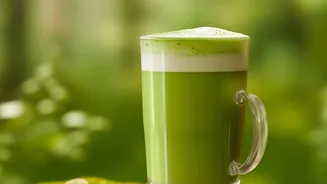
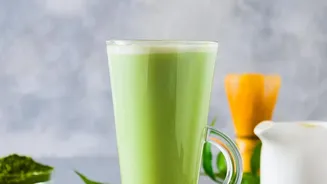
alternative like pea or soy. While pure matcha contains a negligible amount of protein, combining it with a protein supplement transforms it into a substantial drink aimed at health-conscious consumers. The result is a creamy, earthy beverage that marries the distinct flavour of Japanese green tea with the functional benefits of a protein shake.
The Power of Two Ingredients
The appeal of matcha protein lies in its 'synergy effect'. On one hand, you have matcha, celebrated for its high concentration of antioxidants like EGCG and an amino acid called L-theanine. This compound is known for promoting a state of 'calm focus', providing sustained energy without the jitters often associated with coffee. On the other hand, protein powder delivers on its core promise: supporting muscle repair and growth, and promoting satiety, which can help with weight management. Together, they create a drink that is positioned as the perfect post-workout recovery aid, a filling breakfast smoothie, or a mid-day pick-me-up.
Why the Sudden Boom in India?
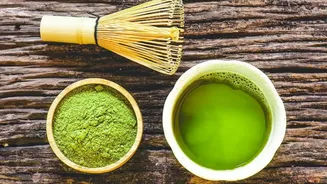
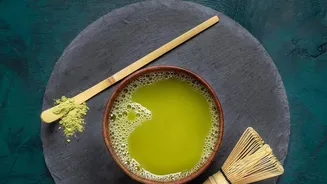
The surge in interest for matcha protein is a reflection of broader shifts in Indian urban lifestyles. India's growing fitness and wellness culture, especially post-pandemic, has consumers actively seeking healthier choices and performance-enhancing nutrition. Matcha's aesthetic appeal also plays a huge role; its vibrant green colour is highly 'Instagrammable', turning every latte into a lifestyle statement. Furthermore, as the specialty café culture expands from metros to Tier-2 cities, more Indians are exposed to global trends. The search data indicates that consumers are moving beyond just trying it at a cafe; rising searches for matcha kits and whisks show a desire to build it into a home routine.
A Look at the Health Claims
The combination of matcha and protein offers a compelling list of benefits, from enhanced muscle recovery and metabolic support to improved focus. Matcha's antioxidant properties are well-documented, potentially helping to reduce inflammation and cellular damage. However, it's important to approach the trend with a balanced view. The overall healthiness of a matcha protein drink depends heavily on its preparation. Many pre-made mixes or cafe versions can contain high amounts of sugar, which can negate the benefits. When making it at home or buying a product, it's crucial to check the ingredient list for added sugars and the quality of the matcha powder itself.
How to Get Started: DIY or Store-Bought
One of the best parts of this trend is its versatility. You can easily make your own matcha protein drink at home. Simply blend a teaspoon of good quality matcha powder with a scoop of your preferred vanilla or unflavoured protein powder and a liquid of your choice, like almond milk or water. This DIY approach gives you full control over the ingredients and sweetness. If you prefer convenience, a growing number of brands are offering pre-mixed matcha protein powders. When choosing a store-bought option, look for products that use real matcha powder rather than just flavouring to ensure you're getting the full benefits of its active compounds. You can use the blend in shakes, smoothies, overnight oats, or even baked goods like protein bars.