










Decoding the 20-Million-Tonne Figure
In its 2026 sustainability report, Microsoft disclosed that its greenhouse gas emissions for the 2025 fiscal year reached 20 million metric tons of carbon dioxide equivalent (mTCO₂e). This represents a sharp 25% increase from the 16 million tons reported
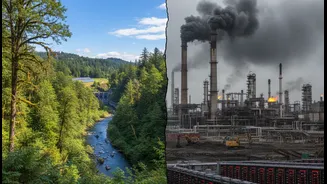
the previous year. To put that number into perspective, it's roughly comparable to the annual emissions of entire countries like Panama or Lithuania. The sudden spike directly challenges the company's ambitious pledge, made in 2020, to become carbon negative by 2030. Instead of shrinking, its footprint is expanding, and the primary driver is the explosive growth of artificial intelligence.
The Unseen Appetite of the AI Boom
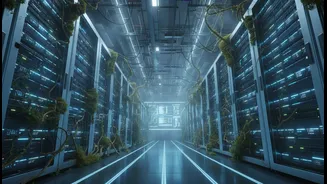
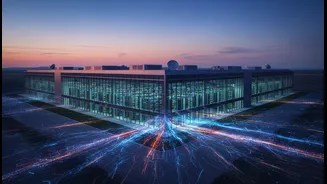
The race for AI dominance has an insatiable appetite for data and processing power. Training and running large AI models requires massive, energy-hungry data centres. Microsoft, along with competitors like Amazon and Google, is in the midst of a global construction spree to build out the necessary infrastructure. This expansion is the direct cause of the emissions surge. The company’s total electricity consumption grew by 24% in the last year alone, mirroring the rise in its carbon footprint. The International Energy Agency projects that global CO2 emissions from data centre electricity use could nearly double by 2035, underscoring that this is an industry-wide challenge.
More Than Just Electricity
While operational energy is a major factor, the headline’s focus on “material cost” points to a less visible but equally critical part of the problem: embodied carbon. These emissions, classified as Scope 3, come from a company's entire value chain. For Microsoft, the biggest contributor is the construction of new data centres. This includes the carbon-intensive production of steel for structures and concrete for foundations, which can account for a huge portion of a building's lifetime emissions before a single server is switched on. It also includes the manufacturing of the servers, racks, and advanced chips that fill these massive buildings. This part of the footprint is the most difficult to control, and it's where Microsoft's emissions have grown the most.
The Hidden Cost of Water
Beyond carbon, data centres have a significant water footprint. Vast quantities of water are traditionally used in evaporative cooling systems to prevent the acres of servers from overheating. This can place a strain on local water resources, especially in arid regions. Microsoft reports making significant strides here, improving its water use effectiveness by nearly 90% since its first-generation facilities. The company now says it replenishes more water than it consumes globally and is piloting new zero-water cooling designs. However, the sheer scale of the data centre boom keeps water consumption a critical sustainability issue for the entire sector.
A Clash of Ambition and Reality
Microsoft’s leadership has acknowledged the tension between its sustainability goals and the resource demands of AI, framing it as both “real and productive”. The company is making significant investments to counter its growing footprint, becoming the world's largest buyer of contracted carbon dioxide removal and investing in lower-carbon building materials. Despite these efforts, the current reality is that the pace of AI expansion is outstripping the scaling of sustainability solutions. This challenge is not unique to Microsoft; its main competitors have also reported double-digit increases in emissions. The 20-million-tonne figure serves as a clear indicator of the true environmental trade-offs at the heart of the AI revolution.