






The Numbers Behind Your Grocery Bill
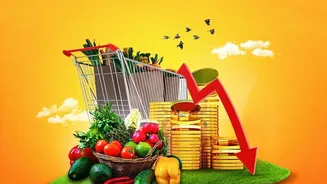
Recent data paints a clear picture of the growing strain on household budgets. Food inflation is on the rise, with economists projecting it could cross 7% in the coming months. A Union Bank of India report from October 9, 2026, projected that retail inflation for
September would likely rise to 5.47%, driven largely by a sharp increase in food prices. The main culprits are the staples of the Indian kitchen: vegetables, pulses, and cereals. For instance, onion prices saw a staggering 34% rise in just one month, while prices for key pulses like chana and moong have jumped by up to 11%. This is not just a minor inconvenience; for lower and middle-income households, where food can represent 35% to 60% of the monthly budget, these increases have a significant impact.
Why Nutrition Becomes a Casualty
When the cost of essential ingredients goes up, the first things to be sacrificed are often quality and nutritional diversity. To make ends meet, families may be forced to make difficult choices. This could mean reducing the consumption of fresh vegetables, cutting back on protein-rich dals, or relying more on cheaper, carbohydrate-heavy fillers. Over time, these small compromises can lead to nutritional deficiencies that affect everything from energy levels and immunity to long-term health. The challenge is particularly acute in rural areas, which have been experiencing greater price pressures compared to urban centres. The goal, therefore, is to find ways to navigate these rising costs without letting the family's health pay the price.
Embrace Seasonal and Local Produce
One of the most effective strategies is to align your shopping with the seasons. Vegetables and fruits that are in season are not only fresher and more nutrient-dense, but also significantly cheaper. Instead of buying expensive, out-of-season broccoli or bell peppers, opt for seasonal gourds, leafy greens, carrots, and other local produce. Shopping at local mandis or farmers' markets can often secure better prices than supermarkets. This simple shift ensures your plate remains colourful and packed with essential vitamins and minerals without stretching your budget.
Get Smart About Your Protein
Protein is crucial for health, but it doesn't have to be expensive. While the prices of some pulses like tur have risen, India's diverse culinary landscape offers many affordable alternatives. Lentils (dals), chickpeas (chana), and kidney beans (rajma) remain foundational sources of plant-based protein. Don't overlook other powerhouses like soybeans, soya chunks, and peanuts. Eggs are another excellent, high-quality, and consistently affordable protein source that can be used in numerous quick and easy meals. By rotating these different sources, you can ensure a steady protein intake that supports muscle health and keeps you feeling full.
The Power of Planning and Prepping
A little planning goes a long way in managing food costs. Before you go shopping, create a weekly meal plan and a detailed shopping list. This helps you buy only what you need and resist impulse purchases of processed snacks or ready-to-eat meals, which are often high in salt, sugar, and unhealthy fats. Consider buying staples like rice, atta, and certain dals in bulk, as the per-unit cost is often lower. You can also cook larger batches of staples like dal or sabzi over the weekend. This not only saves time during a busy week but also reduces food waste, ensuring every rupee spent on groceries is put to good use.