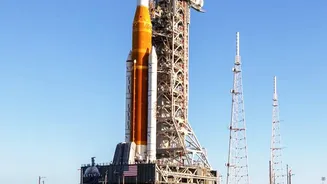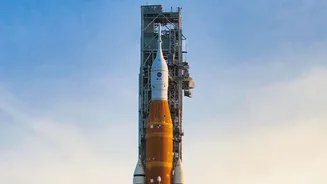




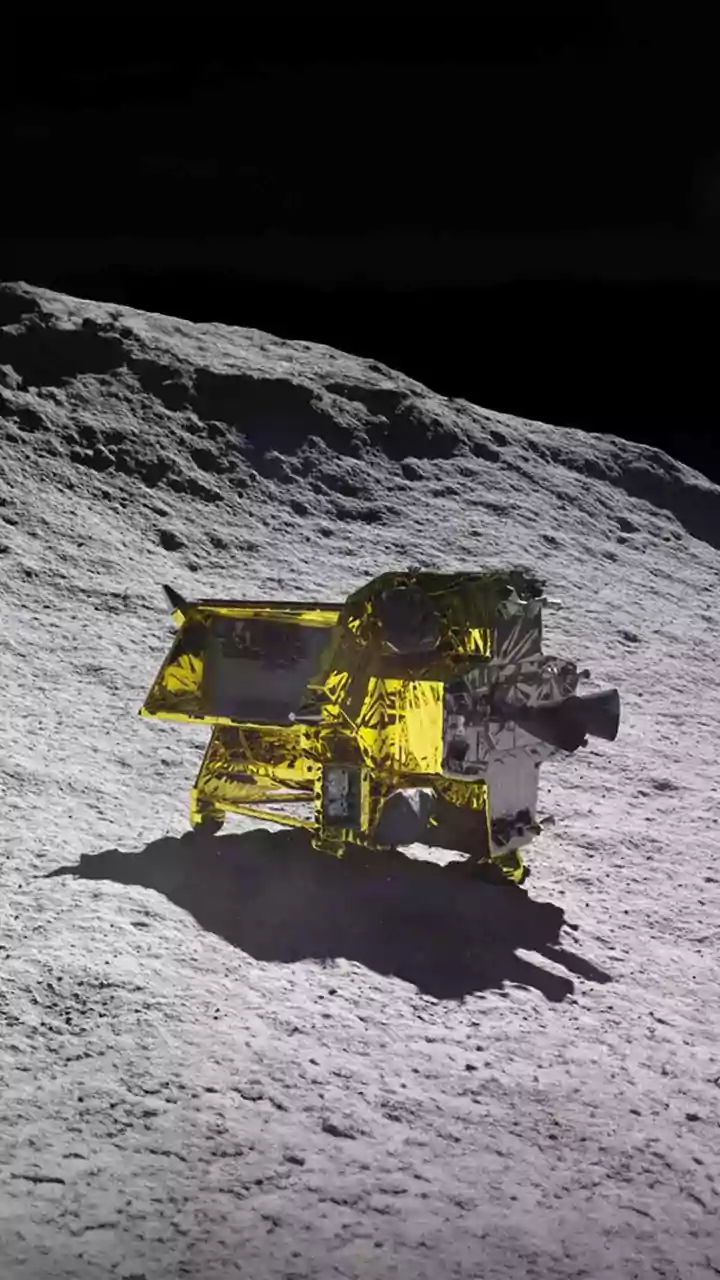



The dream of seeing human footprints on the Moon again is closer than ever, but the path has changed. NASA recently updated its ambitious Artemis program schedule, reshaping the next mission and clarifying what it means for a 2028 lunar landing.
A Major Shift in Strategy
For years,
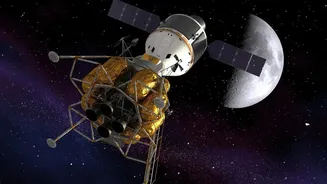
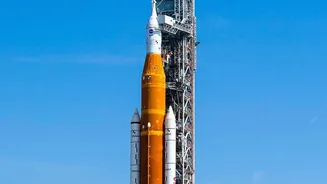
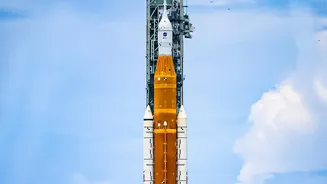
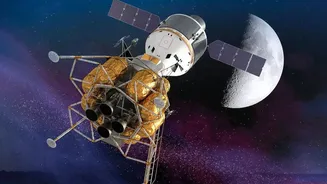
the Artemis III mission was slated to be the historic flight that would land astronauts on the lunar surface, ending a half-century-long absence. However, in a major strategic shift announced earlier this year, NASA repurposed this crucial mission. Instead of a Moon landing, Artemis III, now scheduled for mid-2027, will be an ambitious two-week test flight in low Earth orbit. During this mission, a crew of four astronauts will practice critical rendezvous and docking procedures with test versions of the lunar landers being developed by commercial partners SpaceX and Blue Origin. This change effectively turns Artemis III into a full-scale dress rehearsal, designed to wring out risks and test complex systems closer to home before attempting a landing.
So, What Is the New Landing Date?
The headline news from NASA's updated plan is that the target for the first human moon landing in over 50 years is now officially 2028. This landing will now take place during the Artemis IV mission. In a recent briefing, agency leaders expressed confidence that this revised schedule provides the best path forward. The plan doesn't stop there; NASA is aiming for a rapid cadence, with a second crewed landing, Artemis V, also planned for late 2028. This aggressive back-to-back schedule signals NASA's intent to not just visit the Moon, but to establish a sustained presence. While the 2028 goal remains firm, the change repositions Artemis IV as the mission everyone will be watching for those historic first steps back on the lunar soil.
Why the Schedule Changed
The decision to restructure the Artemis timeline stems from a desire to reduce risk before attempting the incredibly complex feat of a crewed lunar landing. Landing humans on the Moon requires multiple systems to work perfectly, especially the Human Landing Systems (HLS) from SpaceX and Blue Origin, which are still in development. Both companies must first complete uncrewed test landings on the Moon to prove their hardware is safe for astronauts. By inserting the Artemis III orbital test flight, NASA gets a vital opportunity to see how the Orion crew capsule interacts with both landers in a real space environment, testing everything from docking to life support systems. This 'fly before you buy' approach is similar to the Apollo 9 mission, which tested the lunar module in Earth orbit before it flew to the Moon.
The Crucial Role of Private Partners
The success of the 2028 landing goal now hinges almost entirely on the performance of NASA's commercial partners, SpaceX and Blue Origin. Both companies are developing their own unique lunar landers, and NASA has kept its options open, declining to select which one will carry the Artemis IV crew until the last possible moment. This competitive approach is designed to foster innovation and provide redundancy. However, it also introduces significant variables. SpaceX's Starship requires a series of complex orbital refuelling flights, a capability yet to be fully demonstrated. Meanwhile, Blue Origin is recovering from a 2026 launchpad explosion that has impacted its New Glenn rocket development. Both companies have a packed schedule of test flights and demonstrations leading up to 2028, and any major delays on their part could impact NASA's timeline.