








The Spark: What Did Reports from Bhutan Claim?
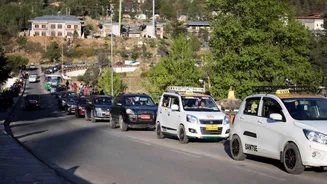
The controversy ignited with media reports, particularly from Bhutanese outlets, claiming the Himalayan kingdom had declined an offer to import E20 petrol from India. The alleged reasons were practical and technical. Bhutanese officials reportedly expressed
concerns that their existing fuel storage infrastructure, much of which is decades old, was not equipped to handle ethanol-blended fuel. A key concern was ethanol's hygroscopic nature, meaning its tendency to absorb moisture from the atmosphere. In a mountainous country with a higher risk of water seepage into underground tanks, this property could lead to fuel contamination, phase separation, and potential damage to vehicle engines. Performance in hilly terrain, where vehicles require more power, was also cited as a worry.
The Centre’s Firm Rebuttal
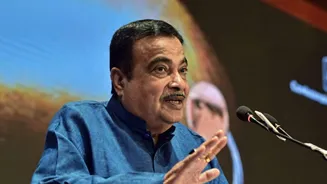
The Indian government’s response was swift and unequivocal. The Ministry of Petroleum and Natural Gas (MoPNG) flatly dismissed the claims, labelling them as “incorrect”. In official statements, the ministry clarified that India's Oil Marketing Companies (OMCs) had never made a formal offer to export E20 petrol to Bhutan. Therefore, the ministry argued, the question of Bhutan rejecting such an offer does not arise. The government urged the public to rely only on official information from the MoPNG and OMCs, effectively framing the denial as a fact-check against circulating misinformation. This came amidst political back-and-forth, with opposition parties using the initial reports to question the government's fuel policy.
E20 Fuel: A National Priority for India
To understand the context, it's crucial to know what E20 fuel is and why it's central to India's energy strategy. E20 is petrol blended with 20% ethanol. India's Ethanol Blended Petrol (EBP) programme is an ambitious policy aimed at reducing the country's heavy reliance on imported crude oil, which in turn saves valuable foreign exchange. The government also touts its environmental benefits, as ethanol is a cleaner-burning fuel that helps reduce greenhouse gas emissions. Furthermore, since ethanol in India is primarily produced from sugarcane and other grains, the policy provides a direct boost to the agricultural sector by creating steady demand and ensuring payments to farmers. India has aggressively pursued this goal, achieving its 20% blending target in December 2025, well ahead of the original 2030 deadline.
The Real Question: Is E20 Safe for Your Vehicle?
The Bhutan reports touched a raw nerve because they mirrored an ongoing debate within India itself. The primary concern for Indian vehicle owners is whether E20 fuel is safe for their engines. According to automobile manufacturers and the government, the answer depends on the age of your vehicle. Cars and two-wheelers manufactured since April 2023 are required to be E20-compliant. Major brands like Maruti Suzuki, Hyundai, Tata, and Mahindra have confirmed their newer models are fully compatible. However, for older vehicles not designed for E20, there are risks. Ethanol can be corrosive to certain rubber and plastic components in older fuel systems. While the government insists that extensive testing by bodies like the Automotive Research Association of India (ARAI) found no significant engine durability issues, it does concede that some rubber parts in older vehicles might need earlier replacement.
Balancing Policy Goals with Consumer Confidence
While the government has officially put the Bhutan export story to rest, the incident highlights a significant communication challenge. The E20 rollout has been met with a wave of consumer complaints regarding reduced mileage and fears of long-term engine damage, especially in pre-2023 models. The government has actively worked to debunk what it calls “myths” about E20, releasing clarifications on everything from engine safety to water consumption in ethanol production. Leading automotive companies have also issued statements reassuring customers, with Maruti Suzuki noting it found no E20-related issues in over 1.5 crore older vehicles it serviced recently. This pushback underscores the gap between the strategic, long-term benefits of the ethanol policy and the immediate, practical concerns of the average vehicle owner.