


A Titan Under Pressure
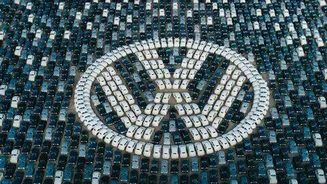
Volkswagen Group, the colossal automotive empire that owns everything from Skoda to Lamborghini, is facing a perfect storm. The company is grappling with fierce competition from new-age Chinese electric vehicle (EV) manufacturers, a significant drop in sales
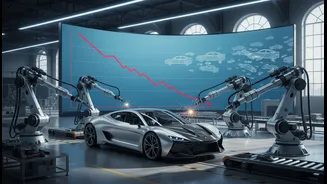
in the crucial Chinese market, and immense financial pressure to stay profitable in a rapidly changing world. In response, CEO Oliver Blume has initiated one of the most aggressive restructuring plans in the company's history. The primary goal is to boost financial resilience and achieve a healthy operating margin of 8 to 10 percent by 2030, a significant jump from recent figures. To get there, the company is making some tough decisions, and its premium brands are not immune.
The Strategy: Less is More
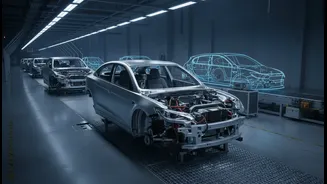
The core of VW's new strategy is simplification, on a massive scale. The plan involves slashing its global model portfolio by as much as 50 percent and cutting the complexity of options—like trim levels and equipment packages—by up to 75 percent. The era of offering a car for every conceivable niche is coming to an end. Instead, the focus will be on the “most attractive market segments,” meaning the models that sell best and make the most money. This isn't just about dropping unpopular cars; it's a fundamental shift in philosophy. The company aims to make its operations faster and more efficient by reducing the number of parts, platforms, and processes it has to manage across its dozen or so brands.
Platform Sharing and Synergies
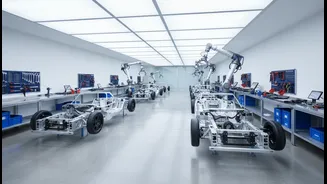
A key pillar of this efficiency drive is sharing more components and underlying architectures between brands. Audi and Porsche have already collaborated on the advanced Premium Platform Electric (PPE), which forms the basis for new EVs like the Porsche Macan EV and the Audi Q6 e-tron. This collaboration saves billions in development costs. The next step is an even more ambitious plan called the Scalable Systems Platform (SSP). This future architecture is designed to be a unified foundation for a vast range of electric vehicles across the entire VW Group, from a Volkswagen hatchback to a high-end Audi. By creating these common building blocks, the group can develop new cars faster and more profitably, a move deemed essential for survival.
What 'Narrower Choice' Could Mean
For buyers of premium brands like Audi and Porsche, the idea of “narrower choice” might seem counterintuitive. These brands built their prestige on variety and customisation. However, reports suggest that even halo models could be affected. Unconfirmed reports from Germany have floated the possibility of niche body styles, like the Porsche Cayenne Coupe or Audi's Sportback SUV variants, being on the chopping block. Even the all-electric Porsche Taycan's future as a distinct model line has been questioned, with speculation it could merge with the Panamera family down the line. More immediately, customers will likely see fewer engine options for a given model and a drastically simplified list of optional extras. The days of spending hours in a configurator choosing from dozens of leather colours and trim inlays may be numbered.
Impact on the Indian Market
In India, the lineups for Audi and Porsche are already more curated than in Europe. However, the effects of this global strategy will still be felt. While core models like the Porsche 911, Cayenne, and Macan are considered safe, the availability of their many performance and trim variants could be reduced. Indian customers who expect a high degree of personalisation for their luxury vehicle purchase will find their options becoming more standardised. The strategy is to move from a sprawling catalogue to a focused collection of best-sellers. While the badge on the bonnet will still signify premium engineering and performance, the choice surrounding that badge is set to become much more straightforward.