


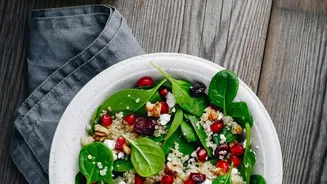
A Tale of Two Superfoods
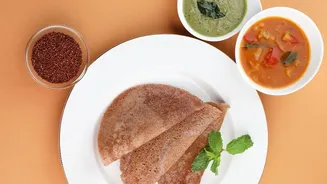
Ragi, or finger millet, is a cherished ancient grain that has been a staple in Indian homes for centuries, especially in the southern states. Known for its resilience and earthy flavour, it is most often consumed as a flour to make rotis, dosas, and a nourishing
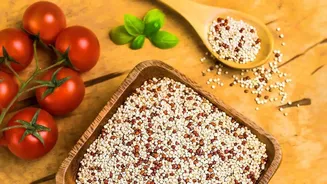
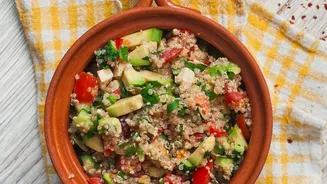
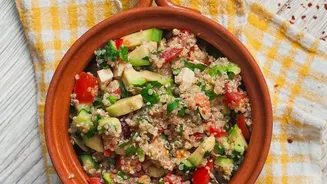
porridge. Quinoa, on the other hand, is a relative newcomer from South America, a seed that is prepared and eaten like a grain. It has gained global popularity for being a complete protein, meaning it contains all nine essential amino acids.
The Uncooked Nutritional Snapshot
Before we get to cooking, let’s look at what 100 grams of each grain offers in its raw form. Quinoa typically packs more protein, with about 14 grams to ragi’s 7 grams. However, ragi shines in other areas. It boasts significantly more dietary fibre, around 11 grams compared to quinoa's 7 grams, which is crucial for digestive health and feeling full. But ragi's undisputed claim to fame is its calcium content. At approximately 344 mg per 100g, it contains over seven times more calcium than quinoa, making it a powerhouse for bone health. Calorie-wise, they are quite similar before cooking.
The Cooking Transformation: Density vs. Volume
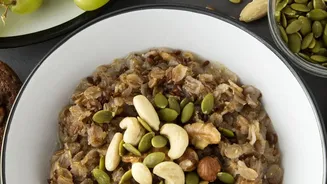
Here is where portion sizes get interesting. The key difference between cooked ragi and quinoa comes down to how much water they absorb and their final density. Quinoa is known for fluffing up significantly, often tripling in volume. One-half cup of dry quinoa can easily yield 1.5 cups when cooked. Ragi flour, when prepared as a traditional porridge (malt or 'kanji'), also absorbs water but creates a much denser final product. A few tablespoons of ragi flour will produce a thick, hearty bowl of porridge. This difference in cooked density is crucial for understanding portion control.
Cooked Portion Face-Off: A Cup-for-Cup Comparison
If you were to measure one cup of cooked quinoa and one cup of thick ragi porridge, their nutritional profiles would be quite different. A cup of cooked quinoa contains about 222 calories and 8 grams of protein. Because it's fluffy and has a higher water content, it feels like a large portion for a moderate calorie count. A cup of dense ragi porridge, however, would be made from a larger quantity of raw flour and thus be more calorie-dense. The key is that a satisfying portion of ragi porridge might only be half a cup, whereas a satisfying portion of quinoa might be a full cup. Per spoonful, ragi is more concentrated in nutrients and calories.
What This Means for Your Health Goals
Choosing between ragi and quinoa depends entirely on your personal needs. If your goal is weight management and you prefer eating larger, voluminous meals, quinoa is an excellent choice. A full bowl is satisfying without being excessively high in calories. If you are focused on maximising your calcium intake, managing blood sugar with high fibre, and want a food that provides long-lasting fullness, ragi is superior. Its density means a smaller portion can keep you satiated for hours. For those looking to boost their protein intake, particularly vegetarians, quinoa’s complete amino acid profile makes it a top contender.
Portioning for a Balanced Plate
The best way to portion is by measuring the grains before cooking. For a single serving, aim for about 1/4 to 1/2 cup of raw quinoa. This will give you a substantial cooked portion to use as a base for salads or a side dish. For ragi, start with 2 to 3 heaped tablespoons of flour for a single bowl of porridge. This ensures you get all the benefits without unintentionally consuming excess calories. Remember, a single ragi roti typically uses about 30 grams of flour, delivering a healthy dose of calcium and fibre in a controlled portion.