





The Unseen Pollutants in Your Kitchen
When you use a gas stove, you are burning natural gas or LPG. This combustion process, even in a perfectly functioning stove, releases several pollutants into your home. The most concerning of these are nitrogen dioxide (NO2), carbon monoxide (CO), and
fine particulate matter (PM2.5). Studies have shown that indoor NO2 levels in homes with gas stoves can often exceed what is considered safe for outdoor air. These gases don't just stay in the kitchen; they can spread throughout the entire house and linger for hours after you've finished cooking. Some research has even found that gas stoves can emit harmful pollutants like benzene, a known carcinogen, even when they are turned off.
Health Risks Hiding in Plain Sight
Exposure to these pollutants is linked to a range of health issues. Nitrogen dioxide is a known respiratory irritant that can cause or worsen asthma, particularly in children. Some analyses have drawn a strong connection, suggesting that a significant percentage of childhood asthma cases can be attributed to the presence of gas stoves in the home, comparing the risk to that of secondhand smoke. Beyond asthma, these pollutants are associated with reduced lung function, an increased risk of respiratory infections, and cardiovascular problems. Vulnerable populations, including children, the elderly, and individuals with pre-existing respiratory conditions like COPD, are at an even greater risk.
Making the Switch: Electric and Induction
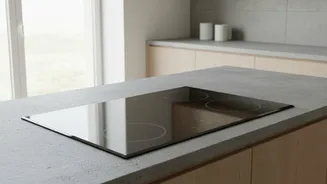
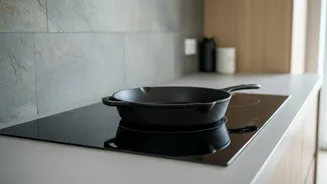
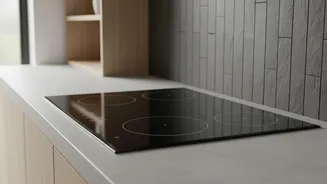
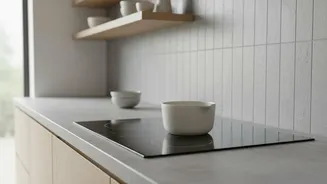
The most effective way to eliminate this specific source of indoor pollution is to replace the gas stove with an electric or induction alternative. Electric stoves, which use heated coils or a smooth ceramic-glass top, do not burn fuel and therefore do not produce combustion pollutants like NO2 and CO. Induction cooktops represent an even more advanced option. They use electromagnetism to heat the cookware directly, making them incredibly fast and energy-efficient. In fact, induction cooktops can be up to three times more efficient than gas stoves because very little heat is wasted into the surrounding air. This not only improves air quality but can also lead to lower energy bills and a cooler kitchen.
The Benefits Beyond Air Quality
Removing a gas stove does more than just clear the air. It also enhances kitchen safety by eliminating the risk of gas leaks and open flames, a significant advantage for families with young children. Induction cooktops, in particular, offer superior safety features because the surface itself doesn't get dangerously hot—only the pot or pan does. Cleaning is also much simpler with the smooth, flat surfaces of induction and modern electric cooktops compared to the grates and crevices of a gas stove. Many home cooks and professional chefs are making the switch, finding that the precise temperature control and rapid heating of induction technology streamlines the cooking process without sacrificing performance.
Steps You Can Take Today
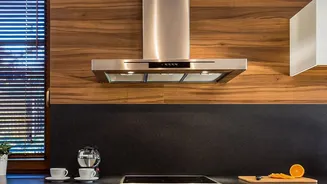
If replacing your stove isn't an immediate option, you can still take steps to significantly reduce your exposure to cooking-related pollutants. The most crucial step is ventilation. Always cook with your windows open to create a cross-breeze. If you have a range hood that vents to the outdoors, use it every time you cook, not just when you see smoke. Cooking on the back burners can help the exhaust fan capture more pollutants. You can also reduce stove use by relying more on electric appliances like microwaves, air fryers, electric kettles, and slow cookers. Using a high-quality air purifier with a HEPA filter near the kitchen can also help capture some of the pollutants.