



The Science Behind the Supper
Before we dive into the delicious ideas, let's look at why this trio is so effective. The magic ingredient is often soluble fibre. Found abundantly in foods like oats, barley, beans, and many vegetables, soluble fibre forms a gel-like substance in your
digestive system. This gel can bind to cholesterol and help remove it from your body, which can lead to lower levels of LDL, or "bad," cholesterol. Eating just 5 to 10 grams of soluble fibre a day may help lower total and LDL cholesterol. Beyond fibre, these plant-based powerhouses are naturally low in the saturated fats that can raise cholesterol, and they contain other beneficial compounds like plant sterols, which can also help block cholesterol absorption. A diet rich in these foods is a cornerstone of heart-healthy eating.
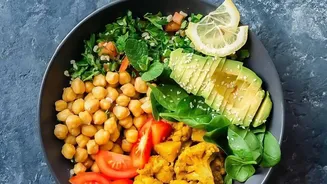
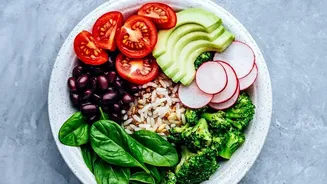
1. The Customizable Buddha Bowl
A Buddha bowl is less a strict recipe and more a formula for a perfect meal. Start with a base of a chewy whole grain like quinoa or brown rice. Next, add a generous serving of pulses—roasted chickpeas or black beans are excellent choices. Then, pile on the vegetables. Think roasted broccoli, sweet potatoes, raw carrots, and leafy greens like spinach. A simple dressing made from tahini, lemon juice, and a little water brings it all together. This one-bowl wonder is a fantastic way to get a huge variety of nutrients and a significant dose of soluble fibre from the grains, beans, and veggies.
2. Hearty Lentil and Vegetable Stew
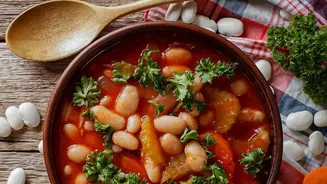
Stews are the ultimate comfort food, and a lentil-based version is a champion for heart health. Sauté onions, carrots, and celery as your base. Add brown or green lentils, a can of diced tomatoes, vegetable broth, and your favourite herbs like thyme and paprika. About 20 minutes before it's done, stir in chopped vegetables like kale or zucchini. Legumes like lentils are packed with protein and soluble fibre. Serve your stew with a side of whole-wheat bread for dipping. It's a filling, warming meal that is low in fat and incredibly nutritious.
3. Black Bean Burgers on Whole-Wheat Buns
Forget the greasy takeaway versions. A homemade black bean burger can be a flavour-packed, cholesterol-friendly dinner. Mash a can of rinsed black beans with sautéed onions, garlic, and spices like cumin and chili powder. Use breadcrumbs or a little oat flour (made by simply blending oats) to bind the mixture. Form patties and pan-fry them in a small amount of olive oil. Serve on a 100% whole-wheat bun with plenty of fresh lettuce, tomato, and maybe even a slice of avocado for a dose of healthy unsaturated fats. This meal satisfies a burger craving while delivering fibre from both the beans and the bun.
4. Whole-Wheat Pasta with Mushroom and Chickpea Ragu
You can still enjoy a delicious plate of pasta while focusing on heart health. The key is to make a few smart swaps. Choose 100% whole-wheat pasta for an extra fibre boost. For the sauce, create a rich ragu using finely chopped mushrooms, onions, and garlic as the base instead of red meat. For protein and more fibre, add a can of chickpeas or white beans to the tomato-based sauce. This plant-forward take on a classic Italian-inspired dish is deeply satisfying and loaded with vegetables and pulses that support your health goals.
5. Stuffed Bell Peppers with Quinoa and Veggies
Stuffed peppers are a vibrant and versatile meal. Halve bell peppers and remove the seeds. Create a filling by mixing cooked quinoa, black beans, corn, diced zucchini, and spices. Quinoa is a complete protein and a great whole grain choice. Pack the mixture into the pepper halves, top with a sprinkle of tomato sauce, and bake until the peppers are tender. This dish is visually appealing and delivers a balanced mix of complex carbohydrates, plant-based protein, and vegetables in every bite, making it a stellar choice for a heart-healthy dinner rotation.