






The Quintessential Kagzi
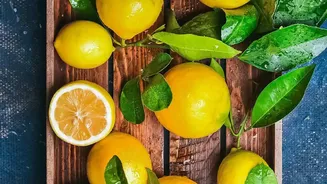
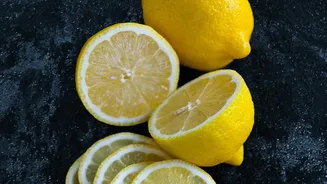
At the heart of India's lemon obsession is the Kagzi nimbu. The name itself, derived from 'kagaz' or paper, tells you its most celebrated secret: a peel so thin it’s almost translucent. This delicate skin encases a fruit bursting with juice. Unlike some
of its thicker-skinned, less generous cousins, the Kagzi is renowned for its high juice content and a sharp, pronounced acidity that can elevate any dish. It’s the go-to choice for home cooks and street vendors alike, providing that perfect tangy kick. This variety is so intertwined with regional identity that in the Indi taluk of Karnataka, a region known as the 'Land of Lemons', the local Kagzi variety was granted a Geographical Indication (GI) tag as 'Indi Lime' in 2023, cementing its unique heritage.
A Spectrum of Regional Stars
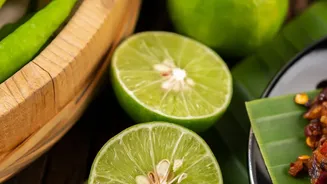
While the Kagzi might be the most widespread, India's diverse climates have nurtured a fascinating array of lemon varieties, each with its own personality. In West Bengal, the Gondhoraj Lebu, or 'king of fragrance', reigns supreme. Valued less for its juice and more for its intoxicating aroma, a single wedge of this aromatic wonder can perfume an entire meal. It has a thicker, greener rind and a more subtle flavour, making it a culinary experience centered on scent. Meanwhile, in the northeast, Assam's Kaji Nemu, another GI-tagged treasure, is celebrated for its elongated shape, alluring aroma, and abundant juice. Manipur, too, boasts the GI-tagged Kachai lemon, a variety that thrives in the region's unique microclimate and is known for its high juice content. These regional heroes demonstrate that there isn't just one type of 'Indian lemon,' but a whole family of distinct, flavourful citrus.
The Science of Sun and Flavour
The prized characteristics of Indian lemons are a direct result of their environment. These citrus trees thrive in the subcontinent’s warm, tropical, and subtropical climates, requiring at least six to eight hours of direct sunlight daily to flourish. This abundance of sun, combined with well-drained, loamy soils, allows the fruit to develop a high concentration of juice. But the magic also lies in the chemistry. Indian lemons, particularly varieties like Kagzi, have a higher acidity and a richer concentration of essential oils and terpenes like limonene and citral. This is what gives them their intense, zesty aroma that bursts forth the moment the skin is pierced, and a tangy taste that is far sharper and more refreshing than milder varieties found elsewhere.
More Than Just a Garnish
In India, the lemon is not an afterthought; it is a fundamental component of the flavour landscape. It’s the final, balancing touch on countless dishes, cutting through richness and adding a bright, clean note. A simple squeeze over lentils, curries, or grilled meats is non-negotiable in many households. It's the star of nimbu pani, the nation's beloved thirst-quencher that provides relief on scorching summer days. Furthermore, it is a key ingredient in the world of pickles, with 'nimboo ka achar' being a tangy, spicy condiment that preserves the fruit's flavour for months. This versatility, from fresh juice to preserved pickles, ensures that the lemon’s zesty character is woven into the very fabric of Indian cuisine, far beyond its role as a simple garnish.