







What is 'Proffee' and Why the Hype?
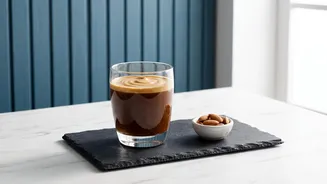
Protein coffee is exactly what it sounds like: coffee mixed with a serving of protein, typically from a powder or a pre-made protein shake. The trend has exploded on social media, appealing to busy professionals who often skip breakfast and fitness enthusiasts
looking for a convenient way to fuel their muscles. The logic is simple: if you're already drinking coffee, adding protein seems like an efficient way to hit your daily nutritional goals, helping to curb hunger and support muscle repair. For many, it's a time-saving solution that transforms a simple morning ritual into a more substantial, functional beverage.
The Hidden Sugar and Calorie Trap
Here's where the healthy halo can slip. While the concept is sound, the execution is everything. Many commercially available protein powders, especially flavored ones like chocolate, vanilla, or salted caramel, are loaded with added sugars or artificial sweeteners to make them more palatable. When you combine these with sweetened milks, creamers, and flavored syrups, your 'healthy' proffee can quickly turn into a high-sugar, high-calorie dessert. For example, some ready-to-drink protein coffees or café-made versions can contain as much sugar as a sweet treat. Reading the nutritional label is crucial; look for both "total sugar" and "added sugar" to understand what you're really consuming.
Beyond Sugar: Other Potential Risks
The concerns don't stop at sugar. One common question is whether hot coffee destroys the protein. The good news is that heat doesn't erase the nutritional value, but it can change the protein's structure—a process called denaturing—which can make some powders clump badly. A bigger issue for many is digestive distress. Whey-based proteins, which come from dairy, can cause bloating, gas, or stomach pain for those with lactose sensitivity. Furthermore, an overload of caffeine from multiple cups can lead to jitters, anxiety, or sleep problems. Experts also caution that while proffee can be a useful supplement, it shouldn't consistently replace a balanced, whole-food breakfast, which provides a wider range of essential vitamins and minerals.
How to Make a Genuinely Healthy Protein Coffee
Enjoying the benefits of proffee without the downsides is possible with a few smart choices. First, select your protein powder carefully. Opt for unflavored varieties or those with little to no added sugar. Collagen peptides are a popular choice as they dissolve easily in hot liquids, while plant-based powders can be a good option for those with dairy sensitivities. To avoid a clumpy mess, try this trick: mix the protein powder with a small amount of room-temperature liquid (like milk or water) to form a smooth paste before adding your hot coffee. Using a shaker bottle or a small frother can also create a smoother texture. For an even safer bet, add your protein mix to cold brew or iced coffee. Finally, skip the sugary syrups and use unsweetened milk or a dash of cinnamon for flavor.
Is It a Meal Replacement?
While a well-made protein coffee can keep you feeling full and help manage cravings, most dietitians are hesitant to call it a true meal replacement. A balanced meal includes carbohydrates, fats, fiber, vitamins, and minerals, not just protein. Relying solely on proffee for your morning meal could leave you short on these other crucial nutrients. Think of it as a convenient and powerful supplement, especially on days when you're short on time or need a post-workout boost. However, for long-term health, pairing it with a piece of fruit, a handful of nuts, or a slice of whole-grain toast creates a much more complete and nutritious start to your day.