





Understanding the Muted Palette
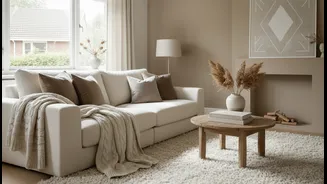
First, let's clarify what 'muted' really means in interior design. It isn't about being boring or resorting to plain white. Muted colours are shades that have their intensity softened, usually by adding a touch of grey, black, or their complementary colour.
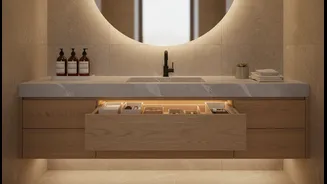
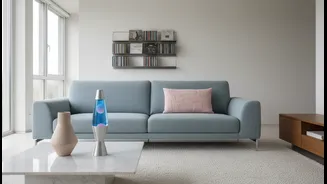
Think of dusty rose, sage green, soft taupe, or warm, earthy beiges. These colours have low saturation, which makes them feel subtle, sophisticated, and incredibly soothing. Unlike bright, vivid colours that can sometimes feel overwhelming, muted tones create a relaxing atmosphere that is easy on the eyes. They serve as a versatile and elegant foundation, allowing you to build a room that feels both modern and timeless. A matt finish can further enhance this effect, as it reflects less light and emphasizes the soothing quality of the shades.
Making Your Art the Centrepiece
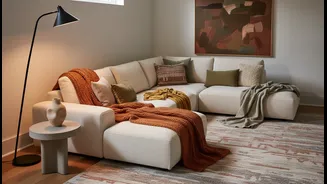
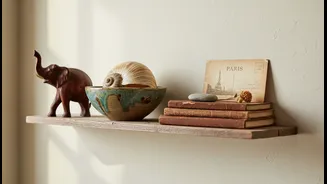
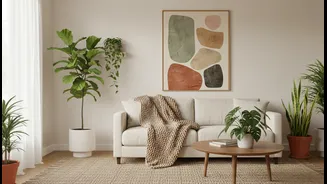
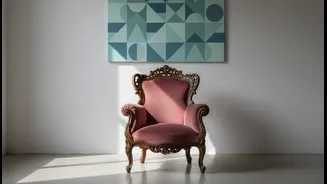
One of the greatest strengths of a muted backdrop is its ability to let your personality shine through your choice of art. Neutral walls act as a gallery-like canvas, giving you complete control over where you direct attention in a room. Whether it's a large abstract painting, a collection of framed photographs, or a handmade tapestry, the subtle walls ensure your chosen pieces become the focal point. The muted tones don't compete for attention; instead, they support and enhance the artwork. You can even lean art against the wall on a console or the floor for a more casual, layered effect. This approach provides endless flexibility, allowing you to add or change pieces over time without needing to overhaul the entire room's colour scheme.
Bringing Nature Indoors with Plants
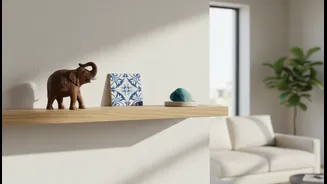
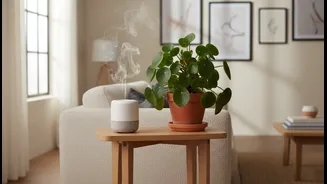
Plants introduce life, freshness, and a vibrant burst of natural colour that stands out beautifully against a muted background. The rich greens of a fiddle-leaf fig or the trailing tendrils of a pothos create a stunning contrast that adds vitality and a connection to the outdoors. In a minimalist or neutral setting, plants act as living sculptures, adding organic shapes and texture that soften hard lines and fill the space with a sense of calm. You don't need an indoor jungle to make an impact; even a few well-placed plants can transform the feel of a room, purifying the air and boosting your mood. Their pots and planters also offer another opportunity to introduce texture and subtle tones, with materials like terracotta, ceramic, and stone enhancing the earthy, natural feel.
The Importance of Layering Texture
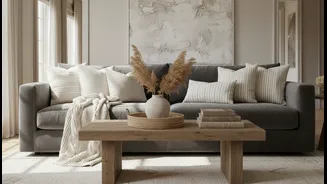
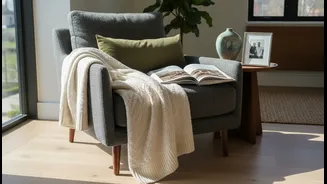
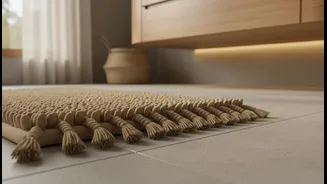
When colour is subtle, texture becomes essential. It’s what prevents a muted space from feeling flat or cold and instead makes it feel rich, warm, and inviting. Think about layering a variety of materials to create depth and visual interest. Combine a soft, woollen throw on a leather chair, place a jute rug on natural wood floors, and add linen curtains that filter light beautifully. Materials like velvet, boucle, stone, and brushed metals all contribute to a complex, tactile experience. This layering of textures interacts with light, creating subtle shadows and highlights that bring the muted colour palette to life. A room filled with varied textures invites touch and makes the space feel thoughtfully curated and deeply comfortable.