




A New Wave in Domestic Travel
The modern Indian traveller is evolving. No longer content with traditional package holidays, there is a growing appetite for journeys that are both seamless and experience-rich. This shift is a primary driver behind the burgeoning interest in cruise
tourism. Cruises offer a compelling value proposition: an all-inclusive holiday that eliminates the complexities of multiple bookings, frequent packing and unpacking, and uncertain transport links. Passenger traffic has seen steady growth, with domestic travellers making up the vast majority of cruise passengers in India. Projections indicate that the market, valued at approximately ₹830 crore in fiscal 2025, could surge to over ₹2,200 crore by 2031, reflecting a fundamental change in how Indians want to explore their own country.
Government Policy Opens the Ports
This rising consumer demand is backed by a strong policy push from the government. Initiatives like the Maritime India Vision 2030 and the more recent Maritime Amrit Kaal Vision 2047 are laying the groundwork to position India as a global cruise hub. These ambitious blueprints aim to increase the annual number of cruise passengers from around half a million to five million by 2047. A key component of this strategy is the 'Cruise Bharat Mission', which provides a structured framework for developing infrastructure and streamlining regulations. This includes upgrading existing ports into world-class cruise terminals, simplifying customs and immigration procedures, and rationalizing port tariffs to attract both domestic and international operators.
Coastal Routes and Ocean Journeys
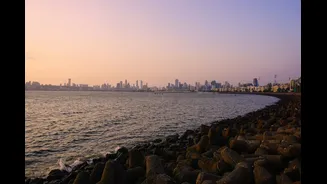
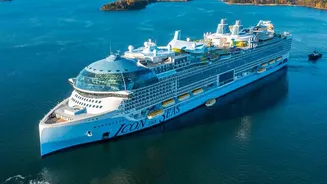
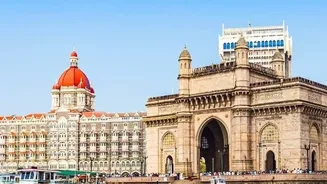
With a 7,500-kilometre coastline, the potential for ocean cruising is immense. Major ports in Mumbai, Goa, Kochi, Chennai, and Visakhapatnam are being developed as international cruise hubs. Mumbai, in particular, has emerged as the leader, with its new international terminal capable of handling the world's largest ships and processing thousands of passengers simultaneously. Operators like Cordelia Cruises are expanding their fleets and adding new domestic routes connecting destinations like Lakshadweep and Puducherry, while also launching international itineraries to nearby countries. This expansion caters to a growing demand for shorter, accessible cruise holidays that serve as a perfect introduction to sea travel.
The Untapped Potential of River Cruising
Beyond the coastline, India's extensive network of inland waterways presents a unique and rapidly growing opportunity. River cruises offer a different kind of experience—slower, more intimate, and deeply connected to the culture and history along the riverbanks. The Ganges and the Brahmaputra are the two main arteries for this burgeoning sector. Journeys along the Ganges can explore sacred cities like Varanasi and the rich colonial and artistic heritage of West Bengal. Meanwhile, cruises on the Brahmaputra in Assam focus on wildlife, including safaris in Kaziranga National Park, and the unique culture of riverine communities on islands like Majuli. The launch of long-duration voyages like the MV Ganga Vilas has captured global attention, but a wider variety of shorter itineraries are making river cruising more accessible to all.
Navigating the Challenges Ahead
Despite the optimism, the path to becoming a major cruise destination is not without obstacles. Significant investment is still required to bridge infrastructure gaps, not just at the ports but also in terms of last-mile connectivity, quality accommodation, and destination readiness in smaller towns. As massive ships begin to bring thousands of passengers to shore, cities must be prepared to handle the influx. Furthermore, ensuring the growth is sustainable is a critical challenge. Addressing the environmental impact of cruise ships and balancing development with the needs of local communities, such as fishing unions, will be key to the sector's long-term success.