



The First Wave: Coffee for the Masses
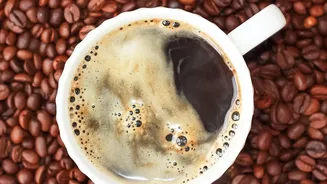
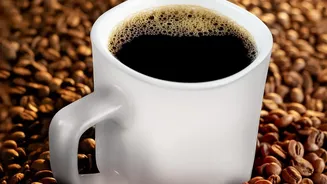
For much of modern history, coffee was a straightforward commodity. The first wave, which began in the 1800s and surged through the 20th century, was about accessibility and convenience. Brands like Nescafé and Folgers dominated kitchens, with a focus
on mass production, instant coffee, and vacuum-sealed cans that made coffee a household staple. The goal wasn't to savour complex flavours but to get a reliable caffeine kick. The origin of the beans was rarely mentioned; coffee was just coffee—a consistent, functional, and affordable product to start your day.
The Second Wave: The Cafe Experience
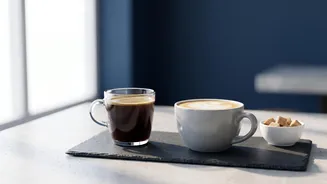
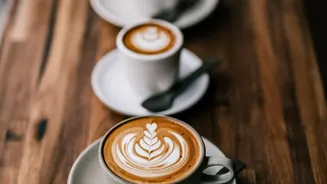
Starting around the 1970s, the second wave changed not just what we drank, but where we drank it. This era, famously capitalized on by chains like Starbucks, turned the coffee shop into a 'third place'—a social hub between home and work. Suddenly, the vocabulary expanded. We learned to order lattes, cappuccinos, and espressos. While the coffee quality improved, the focus was largely on the social experience and creating a consistent, branded atmosphere. The idea of coffee as an affordable luxury took hold, and visiting a café became a regular part of many people's social lives.
The Third Wave: From Commodity to Craft
The early 2000s ushered in the third wave, a movement that treats coffee as an artisanal product, much like craft beer or wine. This is where the so-called 'snobbery' truly begins. The focus shifted dramatically from consistency to character. Third wave coffee champions transparency, celebrating single-origin beans from specific farms, lighter roast profiles that highlight natural flavours, and meticulous manual brewing methods like the pour-over, AeroPress, or Chemex. It’s a philosophy that respects every step of the coffee's journey, from the farmer who grew it to the barista who brews it.
Decoding the Language of a Connoisseur
If you've ever been baffled by a coffee bag describing notes of 'blueberry, vanilla, and cola,' you've encountered the language of the third wave. These tasting notes are not added flavours. They are descriptors for the natural aromas and tastes inherent in the coffee bean, which contains over a thousand chemical compounds that often overlap with those in fruits, nuts, and spices. Terms like 'acidity' (the bright, sparkling sensation), 'body' (the weight of the coffee on your tongue), and 'finish' (the lingering aftertaste) are all part of this new language aimed at appreciating coffee's complexity, not just its caffeine content.
The Indian Coffee Renaissance
While historically a tea-drinking nation, India is experiencing its own coffee revolution. Once dominated by traditional filter kaapi and instant coffee, urban India is now a hotspot for specialty coffee culture. Homegrown roasters and international chains are expanding rapidly across major cities, fueled by a growing middle class and curious younger generations. India, the world's sixth-largest coffee producer, is also turning the spotlight inward, promoting its own high-quality, shade-grown beans from regions like Karnataka and Tamil Nadu. This has led to the rise of the 'home barista' in India, as more people get curious about brewing methods and want to recreate the café experience at home.