

An Immigrant That Became a Native
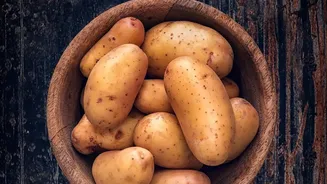
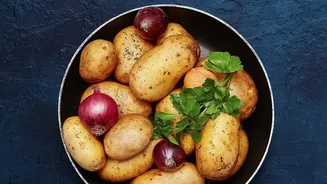
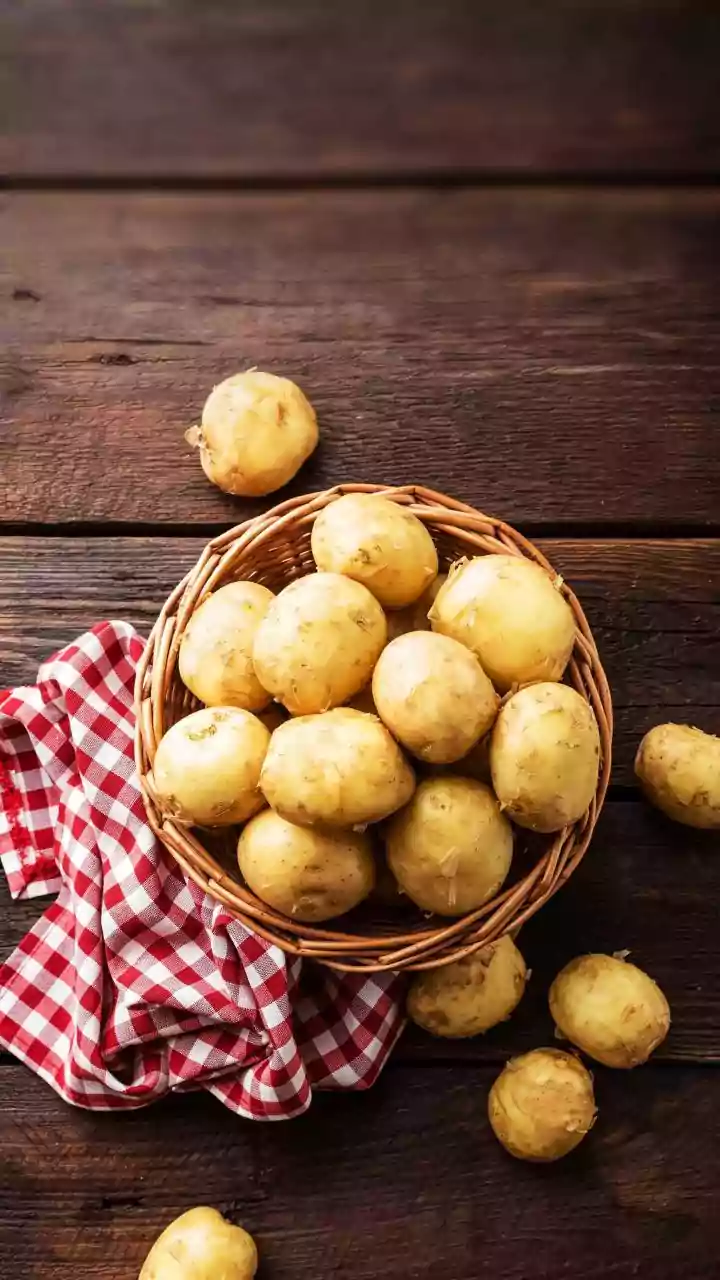
Believe it or not, the potato is not originally from India. Its story begins high in the Andes mountains of Peru, where it was first cultivated thousands of years ago. The tuber made its way to the subcontinent in the 17th century, brought by Portuguese
traders who planted it along the western coast. Later, the British recognised its potential as a high-yield crop and expanded its cultivation across the country. What started as a foreign vegetable quickly became an inseparable part of Indian agriculture and kitchens. Its ability to adapt to different climates and absorb the flavours of regional spices allowed it to be embraced everywhere, from the northern hills to the southern plains.
India's Culinary Chameleon
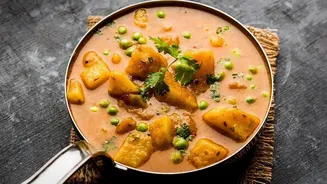
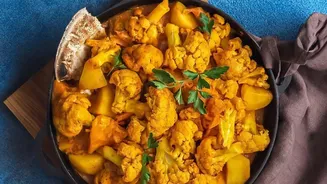
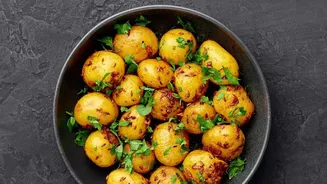
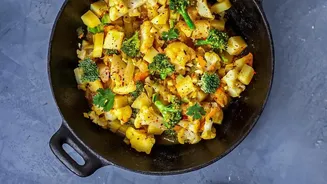
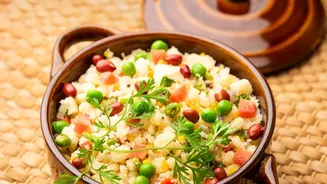
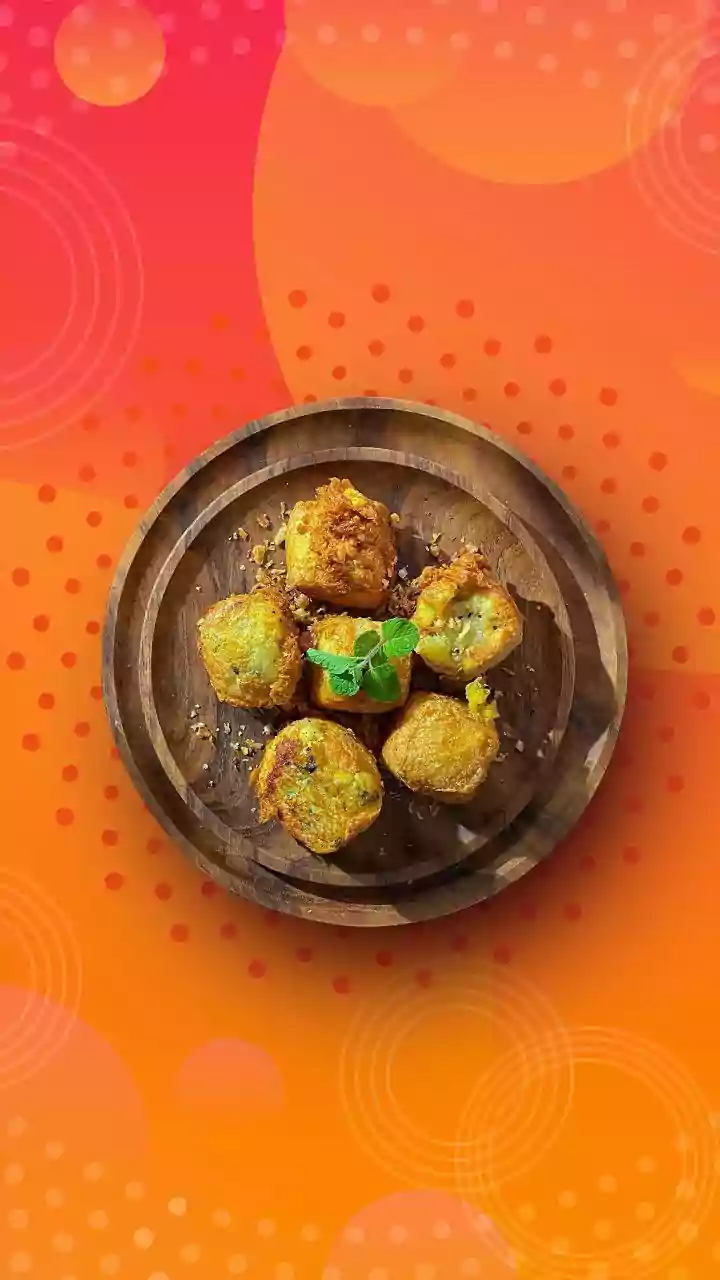
There are few ingredients as versatile as the potato. In India, it is a true culinary chameleon, transforming itself to fit every regional taste and tradition. In the north, it forms the hearty filling for Amritsari Aloo Kulcha or stars in the simple, comforting Jeera Aloo. Travel east to Bengal, and you'll find it simmering in the tangy, rich gravy of Alur Dom. In Maharashtra, it’s the heart of the iconic Vada Pav, lovingly called Batata Vada. The famous Dum Aloo from Kashmir features baby potatoes slow-cooked in a fragrant yogurt-based gravy, a testament to the region's delicate spicing. Even in Kolkata's famous biryani, the potato holds a special place, added by an exiled Nawab's cooks, either out of necessity or because the exotic tuber was a status symbol at the time. From Aloo Posto in Bengal to Aloo Gutke in Uttarakhand, the potato tells the story of India on a plate.
More Than Just a Carb
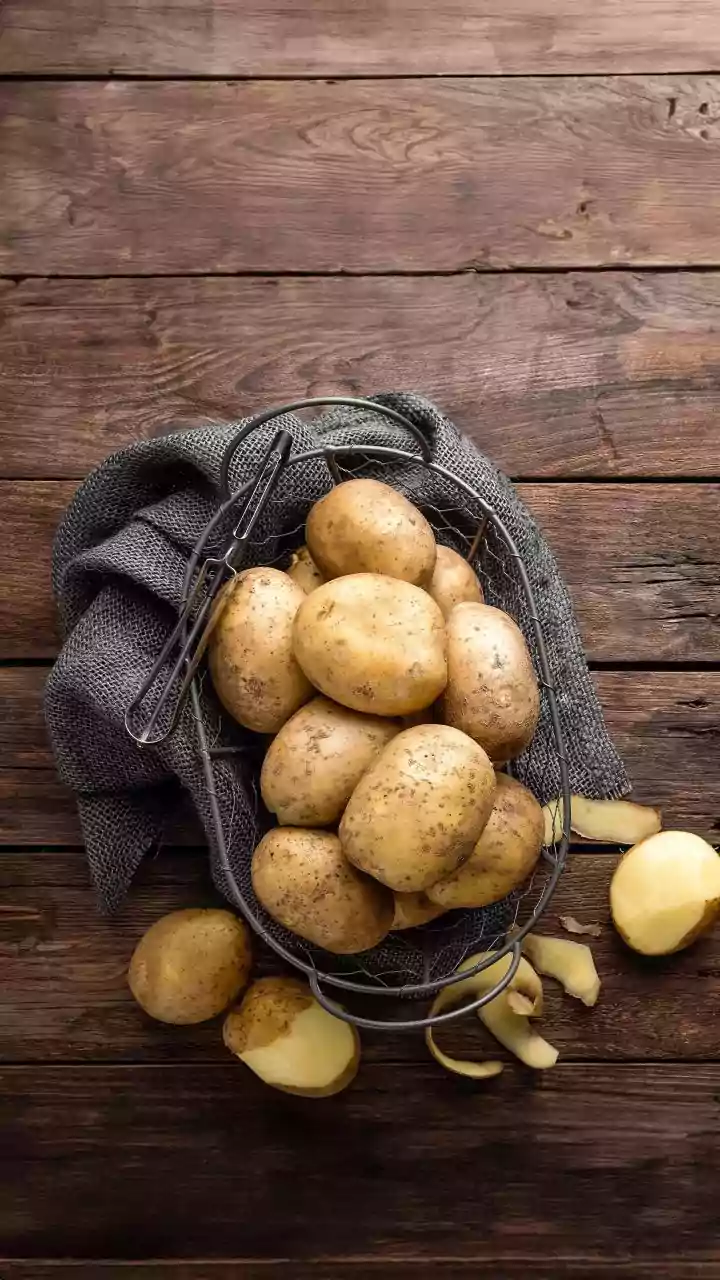
Often unfairly maligned, the potato is a nutritional powerhouse. It is naturally fat-free, cholesterol-free, and contains only about 110 calories in a medium-sized serving. A single potato can provide a significant portion of your daily Vitamin C requirement and contains more potassium than a banana. It's also a good source of Vitamin B6, iron, and dietary fibre, especially when eaten with its skin. While frying certainly changes its nutritional profile, methods like baking and boiling help retain most of its goodness. Whether it’s served as a main dish, a side, or a quick snack, the potato offers energy and essential nutrients, making it far more than just an 'empty' carbohydrate.
A Unifying Force in Food
Beyond its culinary and nutritional value, the potato has a unique social role in India. It is the star of street food culture, bringing people from all walks of life together. Think of the sizzling Aloo Tikki Chaat found in bustling city lanes, a dish that originated in Uttar Pradesh and is now loved nationwide. The potato’s ability to be mashed, fried, boiled, and stuffed makes it the perfect ingredient for quick, affordable, and delicious snacks that fuel the country. It's a reliable staple during fasting periods and the first thing many people learn to cook. The 'aloo' is woven into our memories of home-cooked meals, festive feasts, and late-night cravings, making it a true unifier.