




The Precision of Pilates
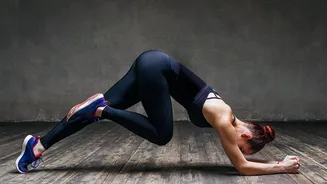
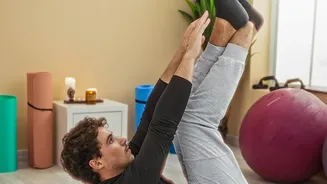
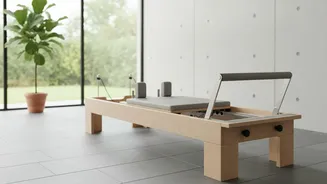
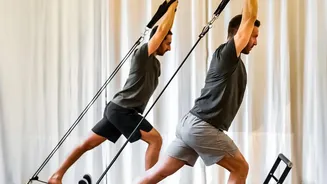
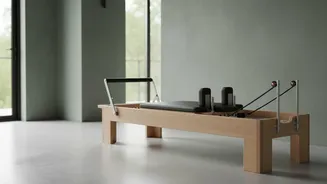
Pilates is a low-impact exercise method that emphasizes controlled, precise movements originating from the core. Often described as building strength from the inside out, its primary focus is on activating and strengthening the deep stabilizing muscles
of your torso, including the transverse abdominis, obliques, and pelvic floor. The goal is not just strength, but smart strength. Pilates teaches body awareness, proper alignment, and breath control, which helps to improve posture and reduce strain on the spine. This method is less about high-intensity calorie burn and more about creating a stable foundation that supports all of your body's movements, making everyday activities like sitting, standing, and lifting feel easier and safer.
The Intensity of Circuit Training
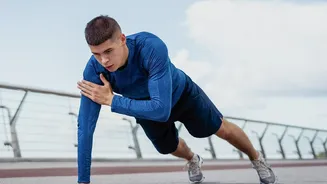
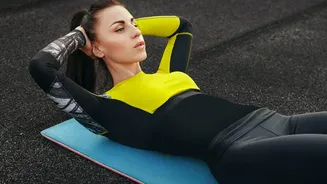
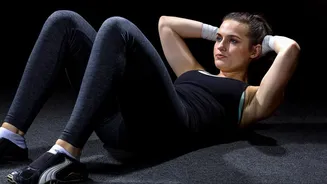
Circuit-based core training is a form of high-intensity exercise where you move quickly through a series of different exercises with minimal rest in between. This approach combines strength training with cardiovascular conditioning. While some exercises might isolate the abs, many are compound movements that challenge your core to stabilize your body while other muscles are working. Think of planks followed by mountain climbers, or kettlebell swings followed by Russian twists. This dynamic style keeps your heart rate elevated, leading to a significant calorie burn and improved cardiovascular health. The main objective is to build muscular endurance and overall strength in an efficient, fast-paced workout.
The Head-to-Head Breakdown
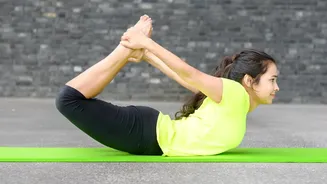
When comparing the two, the differences in approach lead to different primary outcomes. Pilates excels at improving posture, enhancing flexibility, and creating deep core stability. It's highly effective for injury rehabilitation and prevention because of its focus on controlled movement and joint health. Circuit training, on the other hand, is superior for fat loss and cardiovascular conditioning. The high intensity and continuous movement lead to a greater calorie burn both during and after the workout. While both build core strength, Pilates focuses on the deep, intrinsic muscles responsible for stability, whereas circuit training often engages the larger, more superficial core muscles in a more dynamic, athletic way.
Which Is Right for Your Goals?
Choosing between Pilates and circuit training depends entirely on your personal fitness objectives. If your primary goal is to improve posture, alleviate back pain, increase body awareness, and build foundational strength in a controlled, low-impact manner, Pilates is an excellent choice. It's particularly beneficial for beginners, those recovering from injury, or individuals who spend long hours sitting. If your main goals are weight loss, improved cardiovascular endurance, and building overall muscle definition in a time-efficient workout, then circuit-based core training will likely give you the results you're looking for more quickly. It suits those who enjoy a fast-paced, high-energy environment.
The Power of a Hybrid Approach
Fitness experts often agree that you don't have to choose just one. In fact, combining Pilates and circuit training can create a well-rounded fitness routine that offers the best of both worlds. You can use Pilates to build the deep core stability, body awareness, and proper form that will make your circuit training safer and more effective. By improving your foundational strength with Pilates, you reduce the risk of injury during high-impact circuit workouts. A balanced week might include two days of Pilates to focus on alignment and control, and two or three days of circuit training to boost your heart rate and build overall strength.