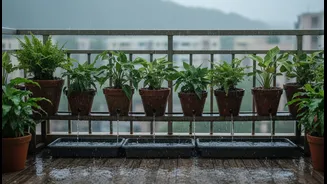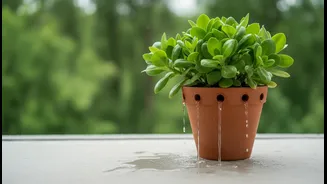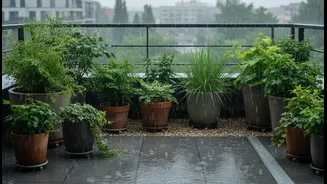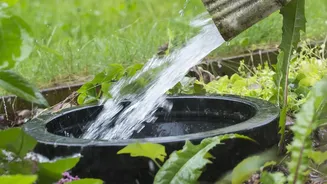






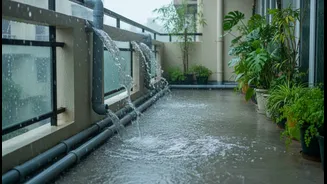
Why This Simple Check Is Crucial
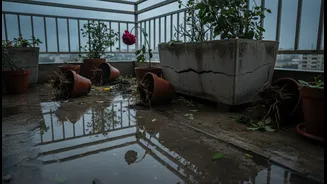
Ignoring water flow is one of the most common mistakes in landscaping. When soil is added without considering drainage, it can create a host of expensive problems. Improper grading can direct water towards your home’s foundation, leading to dampness,
basement leaks, and even serious structural cracks over time. In the garden itself, poor drainage leads to waterlogged soil, which suffocates plant roots and creates a muddy, unusable space. In a country like India, where monsoons can deliver a huge volume of water in a short time, these issues are magnified. What begins as a simple garden upgrade can quickly turn into a battle against erosion, soil loss, and even disputes with neighbours if your runoff floods their property. A few minutes of observation can prevent these headaches.
How to Be a Water Detective
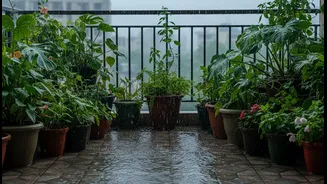
The best way to understand your garden's drainage is to watch it during and immediately after a heavy rain. Grab an umbrella and walk your property. Look for where the water comes from and where it wants to go naturally. Note where puddles form and how long they linger. Pay attention to areas where water flows in sheets or creates small streams. Look for signs of erosion, like washed-away mulch or soil. If you can’t wait for rain, you can simulate it with a garden hose. Let it run in different uphill areas of your yard and follow the water's path. Does it flow safely away from your house, or does it pool against the foundation? This simple observation is the most important data you can collect before changing the landscape.
Understanding Your Property's Grade
‘Grading’ simply refers to the slope of your land. Ideally, the ground around your house should have a gentle slope that directs water away from the foundation. A negative grade, where the land slopes towards the house, is a recipe for disaster. When you add soil, it’s incredibly easy to accidentally change this grade for the worse. Piling up soil for a new garden bed against the house might seem harmless, but it can create a ramp that funnels water directly to your foundation walls. The goal is to always maintain a positive grade away from structures, ensuring water has a clear path to drain away to a safe area, like a street drain or a lower part of the garden.
Smart Solutions for Water Flow
If your detective work reveals a drainage problem, don’t despair. There are many effective and even beautiful ways to manage water. A vegetated swale, which is a shallow, wide ditch with gently sloping sides planted with grasses or flowers, can intercept and redirect runoff. For more serious waterlogging, a French drain—a gravel-filled trench with a perforated pipe—can be installed to carry water away underground. A fantastic option for turning a problem into a feature is a rain garden. This is a shallow depression planted with water-loving native plants designed specifically to collect and absorb runoff from roofs or lawns. It not only solves drainage issues but also creates a beautiful habitat for pollinators.
Adding Soil the Right Way
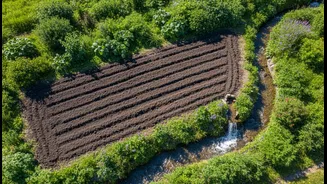
Once you have a clear picture of your property's water dynamics, you can add soil with confidence. The key is to enhance, not obstruct, the natural drainage paths. When building raised beds, ensure they don’t act like dams. Leave gaps or install small drainage channels to allow water to pass through. When leveling a lawn, be meticulous about maintaining the grade away from your house. Use clean fill dirt for creating slopes and save the nutrient-rich topsoil for the final layer where plants will grow. Remember that soil compaction is also a factor; heavily compacted soil won't absorb water well, so aim for a light, aerated structure where possible.