






What is FSSAI Proposing?
The FSSAI has issued a draft notification aimed at stopping products made from non-dairy ingredients from being sold or marketed under the name 'paneer'. The proposal, called the Food Safety and Standards (Prohibition and Restrictions on Sales) Amendment
Regulations, 2026, would require any product not made from milk to drop the word 'paneer' from its name, packaging, and advertising. This is not a final rule yet; the FSSAI has invited suggestions and objections from the public and industry stakeholders for a 60-day period before making a final decision. The goal is to prevent consumers from being misled about a product's true nature and composition.
Decoding the Difference: Dairy vs. Analogue
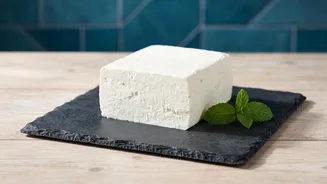
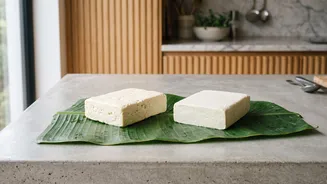
So, what is the difference? According to FSSAI standards, authentic paneer is a milk product made by curdling milk, with or without added milk solids, using permitted food acids. It’s a fresh, unripened cheese that is a vital source of protein and calcium for many Indian households. 'Analogue paneer', on the other hand, is a product designed to look and feel like paneer, but its milk components (like milk fat and protein) are partially or fully replaced with non-dairy ingredients. These substitutes often include vegetable oils (like palm oil), starch, emulsifiers, and sometimes plant-based proteins. While not necessarily illegal if labelled correctly, these products are generally cheaper to produce and have a different nutritional profile than their dairy counterparts.
Why the Crackdown Now?
This move towards national regulation follows growing consumer awareness and action from several states. Recent incidents, including a social media outcry in late 2024 over 'analogue paneer' being sold on a food delivery platform, brought the issue to the forefront. In response to health concerns and rising complaints of adulteration, states like Maharashtra, Gujarat, Karnataka, and Chhattisgarh have already implemented their own bans or restrictions on the sale of analogue paneer. The FSSAI's proposal aims to create a uniform, nationwide standard, removing any grey areas and ensuring consistent enforcement. It’s a push for transparency, ensuring that when you order paneer tikka, you're getting exactly that.
What This Means for You, the Consumer
The primary benefit of this proposed regulation is clarity. You will be able to make a more informed choice at the grocery store and even in restaurants. The nutritional difference is significant; real paneer is a rich source of high-quality protein and bioavailable calcium, crucial for muscle repair and bone health. Analogue versions may have lower protein content and a different fat profile, which could be a concern for those relying on paneer as a key nutritional source. The new rules would mandate that restaurants and food services must also be clear about the ingredients they use, potentially stating on menus if a dish is made with an analogue product. This allows you to decide based on your dietary needs, preferences, and budget.
A Shift in the Market
The proposed regulations will likely cause a shift in the food industry. Manufacturers of analogue products will need to rebrand and relabel, removing the word 'paneer' entirely. This could lead to new product names that more accurately describe what they are, such as 'vegetable fat block' or a similar descriptor. The dairy industry, which has been concerned about the impact of cheaper imitations, will likely welcome the move as it protects the integrity of genuine paneer. For consumers, this might mean seeing a clearer price distinction between dairy paneer and its non-dairy alternatives on store shelves, reflecting the difference in their ingredients and production costs.