





Non-Vegetarian Food
Abstaining from meat, fish, and eggs is one of the most widely followed practices during Sawan. This is rooted in the principle of non-violence and the pursuit of spiritual purity. Devotees believe a vegetarian diet fosters a calmer state of mind, which
is more conducive to prayer and meditation. There's also a practical, seasonal reason: the monsoon is a breeding period for many animals and a time when water-borne diseases are more common, making meat consumption historically riskier.
Onion and Garlic
These two ingredients form the base of countless Indian dishes, yet they are strictly avoided in Sawan kitchens. The reason is not related to hygiene but to Ayurvedic and spiritual principles. Onion and garlic are classified as 'rajasic' and 'tamasic', meaning they are believed to heat the body and stimulate passion, desire, or restlessness. During a month focused on spiritual discipline and tranquility, a sattvic diet that omits them is thought to aid mental clarity and focus.
Regular Grains and Lentils
For those observing a strict fast (vrat), especially on Mondays (Somvar), all common grains and lentils are typically off-limits. This includes wheat, rice, gram flour (besan), and all types of dal like moong and masoor. These foods are considered heavy and require more effort from the digestive system, which is believed to be weaker during the monsoon. Instead, fasters turn to 'vrat-friendly' alternatives like buckwheat flour (kuttu), water chestnut flour (singhara), and barnyard millet (samak rice).
Common Salt
During Sawan fasting, regular iodized table salt is replaced with sendha namak, or rock salt. Processed table salt is considered unsuitable for religious observances, whereas unrefined rock salt is seen as pure and 'sattvic'. This swap is a key rule in preparing any vrat-friendly meal, ensuring that the food aligns with the principles of purity central to the fast.
Leafy Green Vegetables
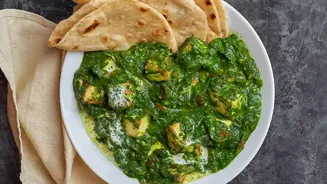
It may seem counterintuitive to avoid healthy greens, but there is ancient seasonal wisdom behind this rule. Sawan coincides with the peak of the monsoon, when damp conditions and scarce sunlight create an ideal environment for insects and bacteria to thrive on leafy vegetables like spinach. Before modern pesticides and refrigeration, avoiding them was a practical way to prevent food-borne illnesses.
Brinjal (Eggplant)
Brinjal is another vegetable that many families traditionally exclude during Shravan. Similar to leafy greens, this restriction is often linked to the monsoon season. Eggplants are more prone to insect infestations during this time, and some religious texts also consider them less pure for consumption during a holy period.
Alcohol and Tobacco
The consumption of alcohol, tobacco, and other intoxicants is strictly prohibited during the sacred month of Sawan. These substances are seen as impurities that cloud the mind, hinder spiritual focus, and contradict the core principles of self-control and devotion that the fast is meant to cultivate. The goal of Sawan observances is to purify both the body and the mind.
Certain Spices
While fasting food is flavourful, it is also simple. Many devotees avoid pungent or 'rajasic' spices like red chilli powder, turmeric, mustard seeds, and asafoetida (hing). The focus shifts to milder, 'sattvic' flavourings like cumin, black pepper, green chillies, and fresh ginger, which add taste without overstimulating the senses.
Heavy or Fried Foods
Although the rainy season often inspires cravings for fried snacks, these are generally avoided during Sawan. According to Ayurveda, the body's digestive fire (agni) is weaker during the monsoon, making it harder to process heavy, oily, and deep-fried foods. Opting for lighter preparations like boiled, steamed, or roasted meals helps prevent sluggishness and supports the fast's goal of bodily lightness.
Curd (in some traditions)
While milk and paneer are widely consumed, curd (dahi) is avoided by many during Shravan. This is partly because Ayurveda suggests that fermented foods can increase 'kapha' (phlegm) and cause congestion in the damp monsoon weather. Additionally, some traditions avoid sour foods as a form of dietary discipline during the holy month. However, practices vary, and other communities continue to include curd in their Sawan diet.