



Why Go Multigrain?
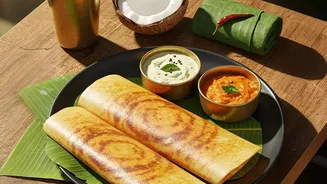
The traditional dosa, made from rice and urad dal, is a beloved South Indian staple. But incorporating a variety of grains elevates it from a simple carbohydrate source to a nutrient-dense meal. Unlike a regular dosa, a multigrain version significantly
boosts your intake of protein, dietary fibre, vitamins, and essential minerals. A well-formulated multigrain flour can increase the protein content from around 4 grams in a traditional dosa to nearly 10 grams per serving. Grains like ragi, jowar, and bajra add calcium, iron, and magnesium, while the increased fibre helps in managing appetite, promoting steady digestion, and balancing blood sugar levels. The fermentation process, crucial for any good dosa, makes these nutrients more bioavailable and easier for your body to absorb, while also introducing beneficial probiotics for gut health.
Choosing Your Grains
You can either buy a pre-mixed high-quality multigrain atta or create your own blend. If buying, look for a mix that is high in fibre and contains grains like ragi (finger millet), jowar (sorghum), and bajra (pearl millet). To make your own, the options are plentiful. A popular combination includes rice, urad dal, chana dal, moong dal, and various millets. Some recipes even incorporate oats, quinoa, or flax seeds for an extra health boost. Don't be afraid to experiment. Starting with a base of rice and urad dal, you can add small quantities of other flours like ragi, jowar, or even whole wheat to find a flavour and texture profile you enjoy.
Preparing the Batter: Two Paths
There are two main ways to approach your multigrain dosa batter: the traditional fermentation method and a quicker instant version. For the fermented method, you'll need to soak your chosen whole grains and lentils (like rice, urad dal, and other millets) separately for at least 4-6 hours. After soaking, grind them into a smooth paste, adding a little water as needed. A wet grinder is ideal for a fluffy batter, but a high-powered mixer works too. Combine the pastes, add salt, and let it ferment in a warm place for 8-12 hours, or until the batter has risen and smells slightly sour. For an instant dosa, you can use store-bought multigrain atta. Simply mix the flour with water, a little curd or yoghurt for tang, rice flour for crispness, and seasonings like cumin and chopped green chillies. Let this batter rest for about 15-20 minutes for the flour to hydrate before cooking.
Cooking the Perfect Crispy Dosa
The secret to a crispy dosa lies in a hot, well seasoned tawa. A cast iron tawa is preferred by many for its even heat distribution. Heat the tawa on medium high heat. To check if it is ready sprinkle a few drops of water if they sizzle and evaporate immediately you are good to go. Reduce the heat to medium pour a ladle of batter into the centre and quickly spread it outwards in a circular motion to form a thin crepe. Drizzle a little oil or ghee around the edges. Cook for 2–3 minutes until the base turns golden brown and the edges begin to lift from the pan. There is no need to flip the dosa. Simply fold it in half and serve hot.
Troubleshooting Common Issues
Is your dosa sticking to the pan or not getting crispy? The most common culprits are batter consistency and tawa temperature. If the batter is too thick, the dosa will be heavy like a pancake. If it is too thin it may break apart. Aim for a pourable consistency slightly thinner than pancake batter. If your batter becomes too watery you can thicken it by adding a bit of rice flour. If the tawa is not hot enough before you pour the batter the dosa may stick. Conversely if it is too hot the batter will cook before you can spread it. Finding the right balance of heat is key.