






The Case for Cardio: High-Intensity Core Work
When you think of a cardio-focused core workout, picture dynamic, high-energy movements that leave you breathless. This style often involves High-Intensity Interval Training (HIIT), where you perform short bursts of intense exercise followed by brief
rest periods. Think mountain climbers, bicycle crunches, kettlebell swings, and burpees. The primary goal here is to elevate your heart rate, maximizing calorie burn both during and after the workout—a phenomenon known as the “afterburn effect.” This approach is incredibly time-efficient, allowing for a full-body workout in as little as 15 to 20 minutes. Beyond fat loss, cardio-centric core work builds explosive power and functional strength that translates directly to sports and other physical activities that depend on a stable core. It trains your aerobic and anaerobic systems, helping to burn fat while preserving lean muscle mass.
The Case for Control: Slow and Steady Wins the Race
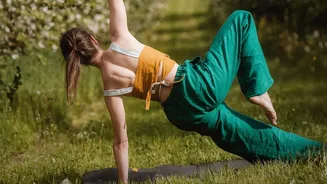
On the other end of the spectrum is the control-based core workout. This method, popularised by practices like Pilates and physical therapy, emphasizes slow, deliberate, and precise movements. Exercises like the dead bug, bird-dog, glute bridge, and plank variations are staples of this style. The focus isn't on speed or burning calories, but on motor control, stability, and activating the deep muscles of the core, such as the transversus abdominis and multifidus. These are the muscles that act like a natural corset, supporting your spine and pelvis. The benefits are profound: improved posture, better balance, reduced risk of lower back pain, and enhanced mind-muscle connection. By moving slowly, you force these stabilising muscles to engage properly, correcting imbalances and building a foundation of true strength that makes all other movements safer and more effective.
Cardio or Control: Which Is Right for You?
Choosing between these two approaches depends entirely on your primary fitness goals. If your main objective is weight loss or improving your cardiovascular health, a HIIT-style cardio core routine is an excellent choice. Its ability to burn a high number of calories in a short amount of time makes it highly effective for shedding body fat, which is necessary to reveal abdominal definition. It’s also ideal for athletes who need to generate power and speed. Conversely, if you're looking to improve your posture, alleviate back pain, or build a rock-solid foundation for heavy lifting, a control-focused routine is superior. These exercises are crucial for injury prevention and rehabilitation because they teach your core muscles how to stabilize the spine properly before movement occurs. For beginners, mastering control is an essential first step before progressing to more dynamic exercises.
The Hybrid Approach: Why Not Both?
Ultimately, the most resilient and well-rounded core is built by incorporating both cardio and control. You don't have to choose one over the other. A smart training plan leverages the benefits of both styles. For instance, you could dedicate two days a week to high-intensity core circuits to boost your metabolism and two other days to slower, control-based exercises to enhance stability and alignment. Another effective strategy is to integrate control-focused exercises into your warm-up. Performing drills like dead bugs or bird-dogs before a main workout can activate your deep core muscles, preparing them to support you during more intense activities. Then, you can finish your session with a short, high-energy cardio blast. This “sandwich” method ensures you’re building deep functional strength while also reaping the fat-burning benefits of cardio.