



A New Industrial Convergence
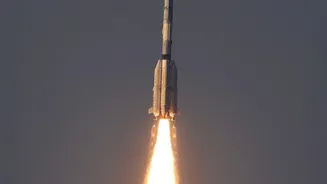
Venture capital is flowing into a new generation of companies that operate at the intersection of space technology, advanced manufacturing, and data. In the first seven months of 2026 alone, space tech companies raised $8.4 billion in equity funding,
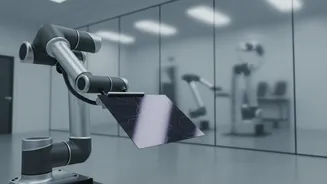
a significant jump from the previous year. This isn't just about launching satellites; it's about a powerful feedback loop. Innovations designed for the harsh environment of space are being adapted to create hyper-efficient, intelligent factories on the ground. This convergence, often called Industry 4.0, is about integrating technologies like the Internet of Things (IoT), AI, and cloud computing into the very fabric of production. Investors see a trillion-dollar opportunity, recognizing that the technologies making space travel cheaper and more accessible are the same ones that can make manufacturing smarter, faster, and more resilient.
From Rockets to the Factory Floor
The connection begins with materials and methods. Building rockets and satellites requires extreme precision and novel materials that are both lightweight and incredibly durable. Techniques like additive manufacturing (3D printing), initially pioneered to create complex, weight-saving components for rocket engines, are now transforming industrial production. These processes reduce material waste and shorten supply chains. Similarly, super-alloys and advanced composites developed to withstand the extreme conditions of orbit are finding new life in automotive and energy sectors. In some cases, 3D printing can reduce the weight of aerospace components by as much as 60-80%. This crossover from space to factory is not accidental; it is actively funded. Venture capitalists are backing startups that apply these high-precision manufacturing capabilities, originally perfected for zero-failure space missions, to sectors like medical devices and semiconductor equipment.
The Rise of the Sentient Factory
The second critical link is sensing. A modern factory, much like a modern spacecraft, is covered in a network of advanced sensors. In the context of Industry 4.0, this is the Internet of Things (IoT). These sensors collect vast amounts of data on everything from machine temperature and vibration to production output and quality control. This concept of a 'digital twin' — a virtual model of a physical process — allows manufacturers to simulate, predict, and optimize operations without costly physical trials. The goal is to create a 'smart factory' that can monitor itself, predict failures before they happen, and continuously improve its own processes. This requires a massive investment in connectivity and sensor technology, a sector that is projected to see spending reach $165.5 billion by 2026.
Analytics: The Brain of the Operation
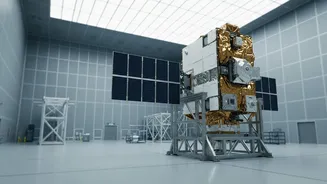
Collecting data is only half the story. The real value is unlocked through analytics. This is where the funding story comes full circle. Companies that specialize in satellite data are a prime example. Startups like Pixxel, which has received significant funding, use hyperspectral imaging from space and apply AI-powered analytics to provide insights for agriculture, mining, and climate research. The same principle applies on the factory floor. The torrent of data from IoT sensors is fed into sophisticated AI and machine learning platforms. These systems analyze the information in real-time to identify inefficiencies, predict maintenance needs, and optimize the entire supply chain. This data-driven approach can lead to a 50% improvement in defect detection and a 20% increase in production yields. Investment is flowing into startups that provide this 'decision intelligence' as a service, whether the data comes from a satellite in orbit or a sensor on a production line.
Following the Money in India
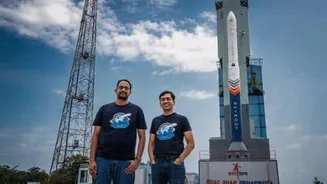
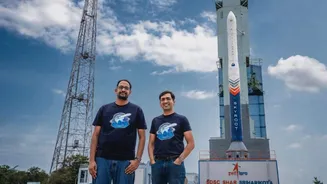
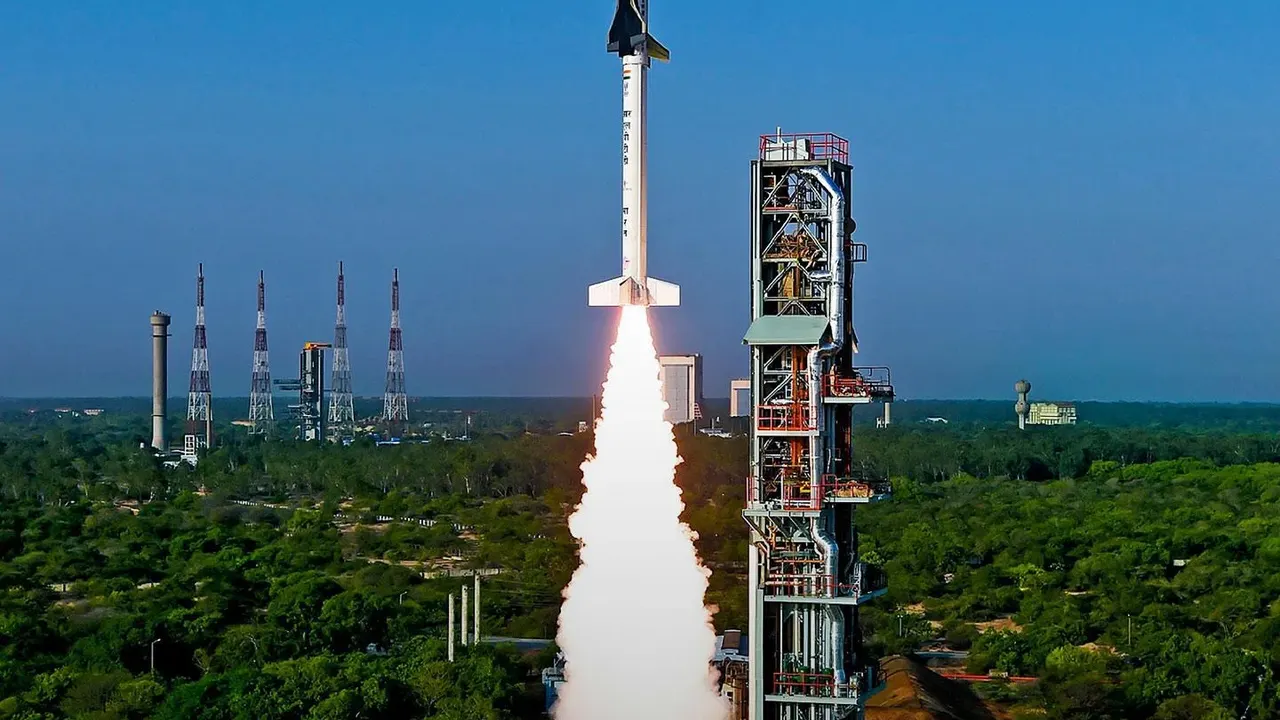
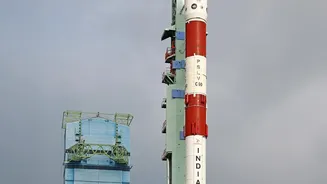
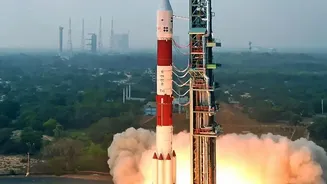
This global trend has a powerful local dimension. India's private space-tech sector has seen a boom, with over 200 startups emerging since 2020 and raising over $871 million as of July 2026. The Indian Space Policy 2023, which permits 100% FDI in satellite manufacturing, has fueled this growth. Companies like Skyroot Aerospace (now a unicorn), AgniKul Cosmos, and Pixxel are not just building rockets and satellites; they are building an ecosystem. Skyroot's success with orbital launches, AgniKul's use of 3D-printed engines, and Pixxel's fusion of satellite imagery with AI analytics perfectly illustrate the convergence. This synergy is driving job creation in engineering, software, and manufacturing, positioning India to capture a larger share of the global space economy.