





An Unprecedented Expansion
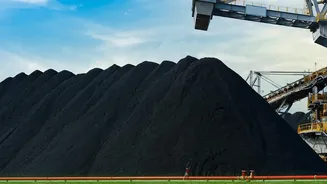
India is on the verge of a significant expansion of its coal mining sector. According to reports from organisations like Global Energy Monitor, the country is leading a global surge in proposed new coal mines. The Ministry of Coal has set ambitious targets,
aiming to increase annual production to nearly 1.15 billion tonnes in the coming fiscal year and potentially 1.5 billion tonnes by 2030. In 2025 alone, proposed new mining capacity in India nearly doubled. This push is primarily concentrated in the coal-rich states of Jharkhand and Odisha, which have seen proposals for new mines multiply. This pipeline of projects, many of which are being offered through commercial auctions, represents a massive investment in the future of coal.
The Drive for Energy Security
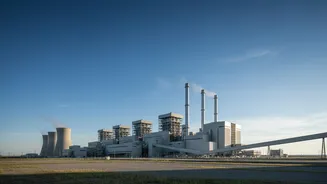
The primary motivation behind this expansion is India's soaring demand for energy. A rapidly growing economy, increasing industrialisation, and more frequent and intense heatwaves are putting immense pressure on the nation's power grid. Coal is seen as a reliable and domestically available resource that can provide the baseload power needed to meet this demand and ensure energy security. It currently fuels over 70% of the country's electricity generation. By ramping up domestic production, the government aims to reduce reliance on costly and volatile international coal markets, a strategy that has already led to a significant decline in imports for thermal power plants.
The New Mining Map
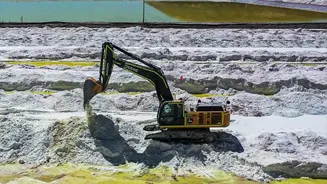
The proposed expansion will dramatically reshape India's mining footprint, extending deeper into central and eastern India. States like Chhattisgarh, Odisha, Jharkhand, and Madhya Pradesh are at the epicentre of this growth. Many of these new projects are planned for areas that are not just rich in coal, but also in forests and biodiversity. This expansion often targets regions inhabited by Adivasi and other indigenous communities, raising significant social and environmental justice concerns. The process involves clearing vast tracts of land, not just for the mines themselves but also for associated infrastructure like roads and transport corridors, which fragments habitats and alters entire landscapes.
An Environmental Tightrope
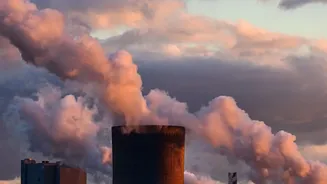
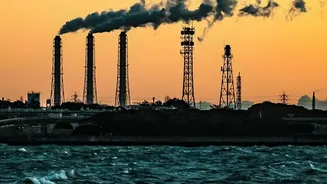
This commitment to coal creates a difficult paradox for India, which also has ambitious renewable energy targets and commitments under international climate agreements. Expanding coal mining directly contradicts the goal of transitioning away from fossil fuels. The environmental costs are steep and well-documented. Opencast mining leads to extensive deforestation, loss of topsoil, and contamination of water sources with heavy metals and other toxins. Furthermore, the burning of coal releases enormous amounts of greenhouse gases, contributing to air pollution and climate change, which in turn exacerbates the very heatwaves driving up energy demand.
From Paper to Reality
While the plans on paper are vast, their implementation is far from guaranteed. These projects face significant hurdles on the ground. Land acquisition is a notoriously complex and contentious process, often leading to prolonged protests from local communities, farmers, and activists who face displacement and the loss of their livelihoods. There have been numerous instances of intense opposition, with residents refusing to give up ancestral lands for mining projects. Securing financing for new coal projects is also becoming more challenging as global investors grow wary of the financial and reputational risks associated with fossil fuels. Many proposed projects remain in the early pre-permit stages, meaning there are still opportunities for them to be challenged or shelved.