






Beyond the Big City Buzz
A quiet revolution is brewing in India’s beverage landscape. Homegrown specialty coffee chains like Blue Tokai Coffee Roasters, Third Wave Coffee, and Roastery Coffee House are rapidly setting up shop in Tier-2 and Tier-3 cities. Outlets are appearing
in places like Lucknow, Jaipur, Chandigarh, and Ahmedabad, challenging the long-held notion that premium coffee is only viable in Mumbai, Delhi, or Bengaluru. This strategic move is not just about capturing new markets; it's a response to a significant cultural shift. Brands are finding fertile ground in these cities, which boast lower rents and a gap in the market for premium, experience-driven cafes.
The Mission for Greater Access
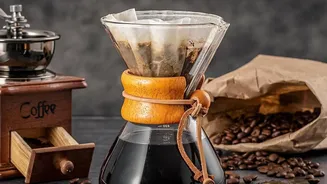
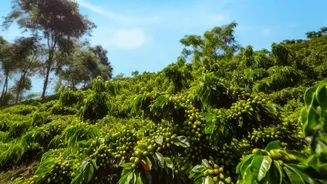
For the founders behind this push, the goal is often described as the 'democratisation' of good coffee. The idea is to make high-quality, ethically sourced Indian coffee beans and artisanal brewing methods accessible to a wider audience. This shift is fuelled by a new generation of consumers who have been exposed to global cafe culture through travel, social media, and remote work. Many younger Indians are now choosing to stay in their hometowns, bringing their big-city tastes with them and creating a ready-made customer base. Brands report that sales in these smaller cities often spike during holiday seasons, as returning migrants introduce their families and friends to the cafe culture they've experienced elsewhere.
Brewing a Sense of Community
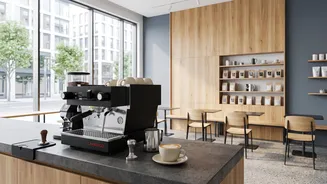
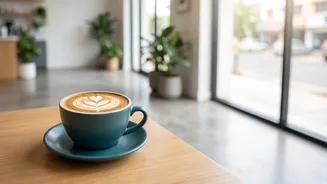
Unlike a simple takeaway model, many of these new cafes are being designed as 'third places'—inviting spaces outside of home and work where people can connect. Observers note a distinct difference in atmosphere; while metro cafes are often filled with individuals working on laptops, cafes in smaller towns are buzzing with conversations and laughter. This emphasis on community is a core part of the strategy. Brands like Roastery Coffee House deliberately choose locations tucked away in residential neighbourhoods, focusing on hospitality over convenience. By hosting cupping events, workshops, and making the roasting process visible to customers, these cafes are educating a new wave of coffee enthusiasts and building a loyal local following.
Navigating New Terrain
The expansion is not without its challenges. While competition is lower than in the saturated metros, brands must still contend with a price-sensitive market and the task of building a culture around premium coffee. However, many are finding that the gamble is paying off. Nishant Sinha, founder of Roastery Coffee House, noted that his Tier-2 outlets now outperform those in major metros. The rising disposable income and aspirational consumer base in these cities are creating a demand for premium lifestyle experiences. The success of these pioneers is proving that with the right atmosphere and hospitality, customers are willing to pay for a superior product.
The Ripple Effect on Local Culture
The arrival of national specialty chains is having a ripple effect, raising the bar for the entire local food and beverage scene. This isn't just a story about big brands; Tier-2 and Tier-3 cities are also seeing a rise in homegrown cafes that blend international standards with distinct regional aesthetics. The movement signifies a broader maturation of India's consumer market, where quality, transparency, and community are becoming just as important as price. This shift is transforming coffee from a simple beverage into a lifestyle statement, creating new social hubs and economic opportunities in cities across the country.