

The Gruelling Journey Today
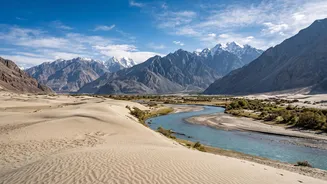
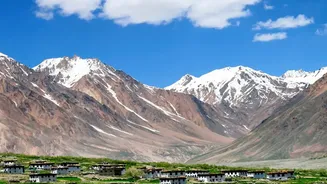
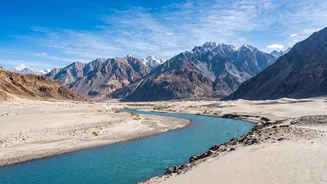
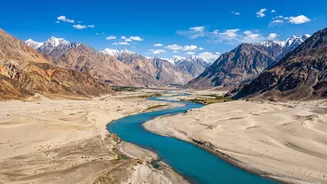
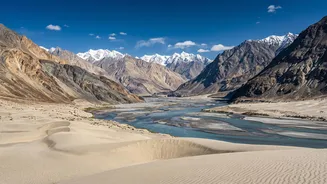
For decades, the only way for travellers to reach the high-altitude cold desert of Nubra Valley has been by road from Leh. This journey, while scenic, is not for the faint-hearted. It involves a 120 to 160-kilometre drive that takes between five to seven
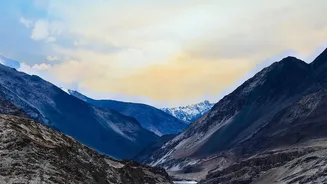
hours, navigating treacherous hairpin bends and unpredictable weather. The main hurdle is crossing Khardung La, one of the world's highest motorable passes, which sits at over 17,500 feet. The high altitude poses a significant risk of sickness, and the pass is often closed during winter months due to heavy snowfall, cutting the valley off from the main hub of Leh for long periods. This difficult and seasonal access has long been a bottleneck for tourism and a challenge for locals needing reliable transport.
A Military Airbase Opens Its Doors
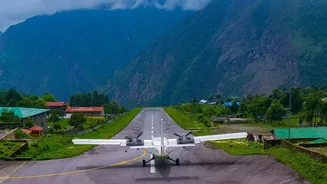
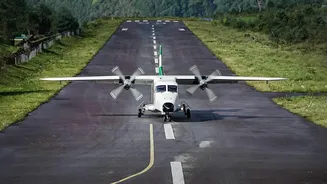
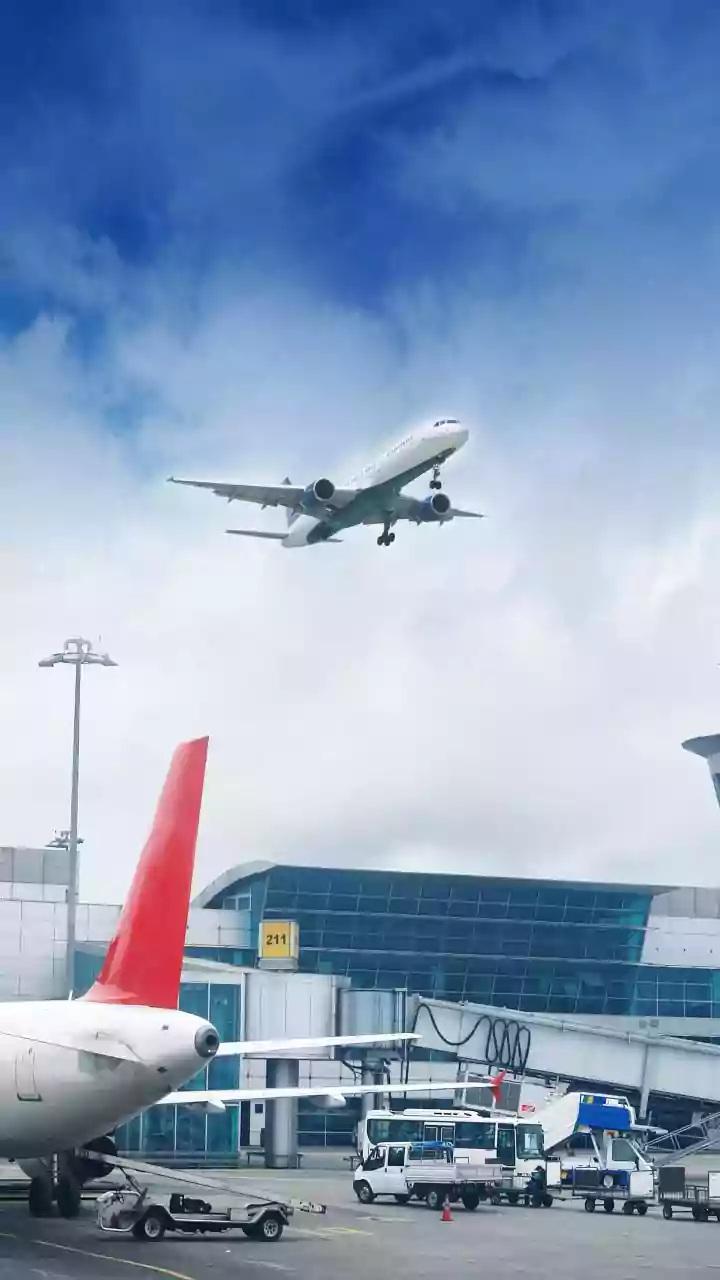
Thoise Airport, located within Nubra Valley itself, is not new. It has served as a critical Indian Air Force (IAF) base for decades, vital for supplying troops and maintaining strategic readiness near the border. What's new is the concerted plan to open this strategic airfield for regular commercial passenger flights. Recent reports confirm that authorities are targeting December 2026 to begin civilian operations. To facilitate this, the IAF has approved five acres of land for a new civil terminal, and runway recarpeting work is already underway. Initially, a refurbished existing terminal will be used to get flights started, bringing a long-pending demand of the local population closer to reality.
Slashing Travel Time, Boosting Access
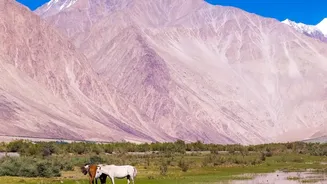
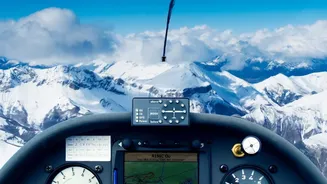
The most immediate transformation will be the drastic reduction in travel time. A five-to-six-hour bone-jarring road trip will be replaced by a short flight directly into the heart of the valley. This makes Nubra and its surrounding attractions, like the villages of Hunder, Diskit, and the strategically important Turtuk and Siachen Base Camp areas, vastly more accessible. Perhaps more importantly, it offers the promise of all-weather, year-round connectivity. This would be a lifeline for residents, especially during medical emergencies, and a game-changer for the tourism industry, which is currently limited to the summer months.
An Economic Lifeline for the Valley
For the people of Nubra, reliable air connectivity is an economic lifeline. Tourism contributes significantly to Ladakh’s economy, but its benefits have been constrained by difficult access. Direct flights are expected to unlock immense tourism potential, leading to a surge in visitors and extending the tourist season. This will create more business for hotels, guesthouses, taxi drivers, and local artisans, generating employment and boosting the local economy. Officials believe that improved air access will support not just tourism but also overall economic activity in a region that has remained relatively hard to reach.
Strategic Gains and The Path Forward
Beyond tourism, opening Thoise for civilian use has strategic benefits. Enhancing infrastructure in border regions strengthens India’s position and operational capabilities. The project is being developed under the UDAN scheme, which aims to improve regional connectivity across the country. While airlines have not yet announced specific routes, the plan is to start operations and build from there. The development will also ease the pressure on Leh's Kushok Bakula Rimpochee Airport, which currently serves as the single entry point for all air travel to Ladakh.
Balancing Progress with Preservation
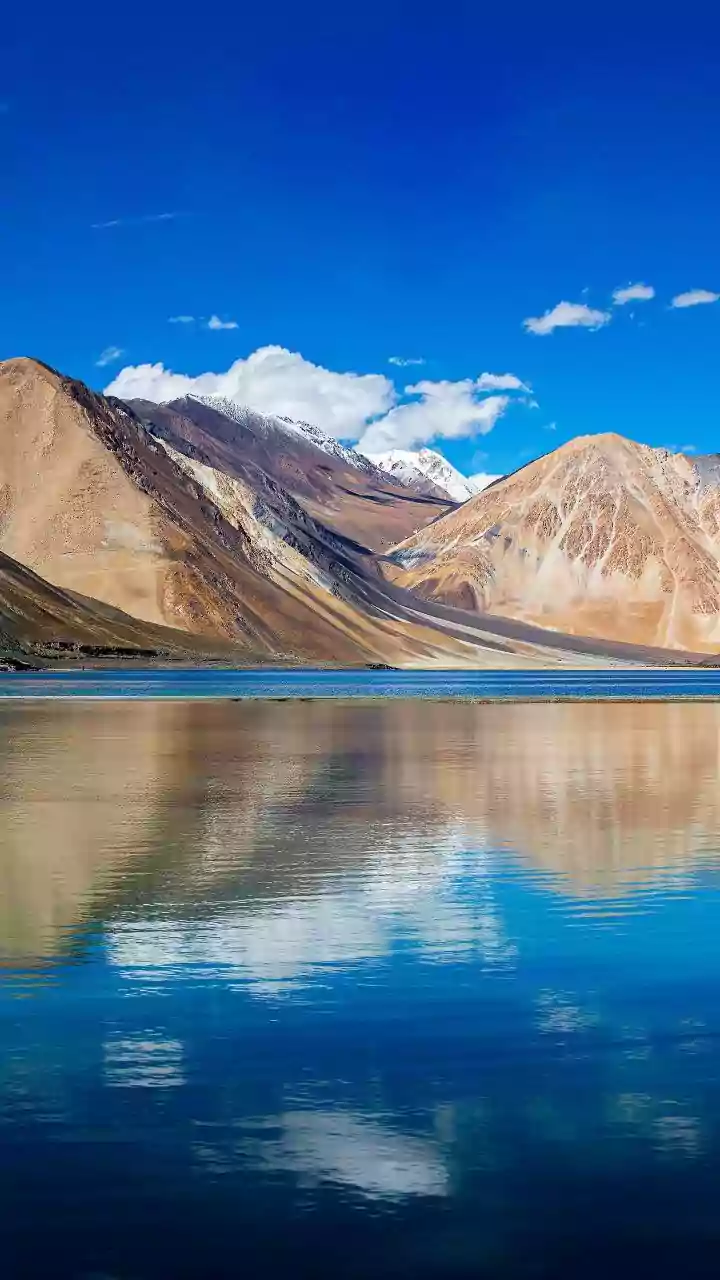
While the benefits are clear, the prospect of a massive influx of tourists also raises concerns. Ladakh's ecosystem is extremely fragile, and over-tourism is already a worry in popular spots like Leh and Pangong Lake. A sudden surge in visitors to Nubra could strain its limited resources, particularly water, and impact the local culture. Therefore, the key challenge will be to manage this growth sustainably. Promoting responsible and regenerative tourism practices will be crucial to ensure that the economic boom does not come at the cost of the very environment and culture that make Nubra Valley so unique.