




Choose Your Chilli Wisely
The most direct way to control heat is by managing the chillies. Indian cuisine uses a variety of green chillies, each with a different spice level. For a milder kick, use larger, light-green chillies and be sure to deseed them. For those who love heat,
the smaller, darker green varieties are the way to go. You can also control the spice by deciding between fresh chillies, which provide a sharp heat, and red chilli powder, which offers a more consistent, building warmth. Using a milder variety like Kashmiri red chilli powder can add vibrant colour with less intensity.
Use Sweet Chutney as a Counterbalance
Tamarind chutney, or imli chutney, is a cornerstone of many chaat recipes for a reason. Its sweet and tangy profile is the perfect antidote to overwhelming spice. By adding a generous drizzle of this dark, flavourful sauce, you can mellow out the heat from chillies and spice powders. The jaggery or dates used in the chutney introduce a sweetness that balances the entire dish, making it more palatable for those who prefer a milder experience. You can either make it at home or use a store-bought version for convenience.
Add a Dollop of Cooling Yogurt
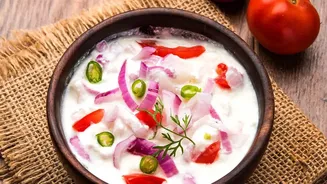
Dairy is a well-known neutralizer of capsaicin, the compound that makes chillies spicy. Adding a spoonful of plain yogurt (dahi) not only introduces a creamy texture but also actively cools down the heat. The casein in dairy binds with the capsaicin, effectively washing away some of the burning sensation. For a richer, creamier chaat that’s lower on the spice scale, whisk some full-fat yogurt until smooth and fold it into the peanut mixture or serve it on the side. This is an excellent option for rescuing a dish that accidentally became too spicy.
Balance with Acidity
Never underestimate the power of a fresh squeeze of lemon or lime juice. Acidity can brighten the overall flavour profile of the chaat and cut through the intensity of the spices, making them feel less aggressive on the palate. While it doesn't chemically neutralize the heat in the same way dairy does, the tangy flavour provides a refreshing contrast that can make the dish feel more balanced. Chaat masala, a key spice blend, already contains dried mango powder (amchur) for tang, but an extra bit of fresh citrus can be adjusted to taste right before serving.
Leverage Cooling Vegetables
Bulking up the chaat with fresh, cooling vegetables is a simple and effective way to dilute the spice concentration. Finely chopped cucumber, with its high water content, is particularly effective. Diced tomatoes and crunchy onions also add moisture and texture, spreading the heat out over a larger volume of ingredients. For an extra layer of freshness and a mild sweetness, consider adding pomegranate seeds or even finely diced raw mango when in season.
Go Easy on the Chaat Masala
While essential for that signature chaat flavour, chaat masala itself is a complex blend of spices that contributes its own unique heat. It often contains black pepper, ginger, and other warming spices alongside tangy elements like amchur and black salt. If you are sensitive to spice, start with a smaller amount of chaat masala than the recipe calls for. You can always add more at the end after tasting. This allows you to control the overall flavour profile without unintentionally ramping up the heat.
Add a Pinch of Sweetness
In addition to sweet chutney, a tiny pinch of sugar can work wonders to balance an overly spicy dish. It might sound counterintuitive, but sweetness helps to counteract and round out the sharp notes of the chillies and spices. Just a small amount is needed to temper the heat without making the chaat noticeably sweet. This trick, combined with the acidity from lemon juice, creates a more complex and layered flavour profile that satisfies a wider range of preferences.