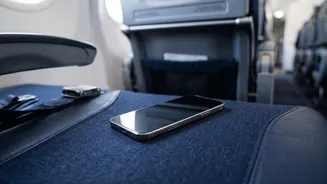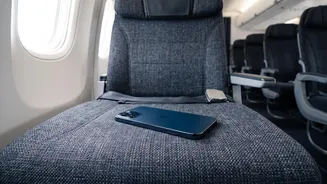






It’s a moment of pure panic: you’re on the jet bridge when you realise your phone, wallet, or headphones are still in the seat pocket. Your first instinct is to turn back, but you’re met with a firm 'no'. Here’s why that isn't possible.
The Immediate Barrier: Security
The primary reason
you cannot simply walk back onto an aircraft is security. Once you have deplaned, you have officially exited a secure, controlled environment. Airline and airport authorities have no way of knowing what you may have come into contact with, even in the few seconds you were on the jet bridge. To maintain the integrity of the cabin, which is considered a sterile area between flights, re-entry is strictly prohibited. Letting passengers back on would disrupt the meticulous passenger count and security protocols that ensure everyone on board is accounted for and that the aircraft remains secure. It may seem overly cautious, but these rules are in place to prevent any potential security breach, no matter how small or unlikely. Once you are counted as 'off' the aircraft, allowing you to re-enter would confuse the official manifest and require a new security sweep, causing significant delays.
The Unseen Race Against Time
Airlines operate on incredibly tight schedules, and the time an aircraft spends on the ground between flights—known as the 'turnaround time'—is calculated down to the minute. This process is a highly coordinated dance involving dozens of personnel and tasks. As soon as the last passenger steps off, cleaning crews, caterers, refuelling teams, and maintenance engineers spring into action. Allowing even one passenger to go back against the flow of deplaning passengers can create a bottleneck on the jet bridge, slowing everyone down. If the plane is already empty, a search for a lost item could interrupt the cleaning, catering, or refuelling process. Even a delay of a few minutes can have a cascading effect, causing the next flight to depart late, which can lead to missed connections and a chain reaction of delays throughout the day.
A Sterile and Secured Zone
After passengers disembark, the aircraft cabin must be prepared for the next flight, which includes more than just a quick tidy. Cleaning crews conduct a thorough search of seat pockets, overhead bins, and floor areas not just for cleanliness, but also for security. They are looking for any items left behind, which could range from a forgotten book to a potential security risk. If a passenger were allowed to re-enter this environment, it would compromise the integrity of that security check. Furthermore, the flight crew themselves have post-flight duties to complete, including final cabin checks and handing the aircraft over to the next crew or ground staff. Stopping these duties to escort a passenger back to their seat diverts them from critical tasks that ensure the aircraft is safe and ready for its next departure.
Your Best Course of Action
So what should you do when you realise you've left something behind? Act fast, but don't try to reboard. If you are still at the gate area, immediately speak to the airline's ground staff. They are in the best position to help. While you can't go back yourself, an agent may be able to contact the cabin crew or cleaning staff who are still on board. If the item is found, it will be handed over to the airline's lost and found department at the airport. You will typically need to file a lost item report, either in person or online. Most airlines have a dedicated section on their website for this purpose. Be ready to provide your flight number, seat number, and a detailed description of the item. In India, items found are typically held by the airline or airport's lost and found office for a period of time, often up to 90 days, before being disposed of or auctioned.