


The Reality of Your Grocery Bill
Recent data from June 2026 shows that food inflation has risen, impacting the cost of everyday essentials. The Consumer Food Price Index (CFPI), which tracks the retail prices of food items, saw a notable year-on-year increase of 5.32%. This isn't just
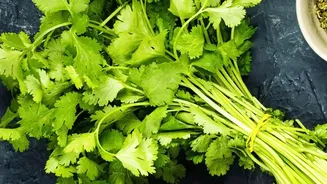
a number on a spreadsheet; it translates to higher prices for vegetables, pulses, and other staples that form the backbone of Indian cuisine. For instance, on July 30, 2026, some markets reported sudden, sharp spikes in the prices of leafy and other fresh vegetables, with increases of over 25% in a single day due to supply and demand pressures. These volatile costs make it challenging for families to stick to a budget, especially when nutritious foods are becoming more expensive.
The Art of the Smart Swap
A rigid recipe is the enemy of a tight budget. The key to navigating price hikes is flexibility, starting with smart substitutions. When a star ingredient like tomatoes becomes too costly, don't abandon the dish—adapt it. Tamarind, kokum, or even a dash of yogurt can provide the necessary tang for a fraction of the price. If your preferred type of dal has become expensive, another variety can often stand in with minor adjustments to cooking time and flavour. This approach isn't about compromising on taste but about understanding the function of an ingredient. By focusing on the flavour profile you want to achieve—sour, spicy, or creamy—you can choose the most affordable path to get there, using what is seasonal and reasonably priced.
Build Meals Around a Foundation
Instead of deciding on a specific dish and buying ingredients for it, try building your meals from the ground up based on what’s affordable. Start with a versatile base. This could be a simple onion-ginger-garlic masala that you can cook in a large batch and freeze. When it’s time to cook, you can add any seasonal vegetable or protein that was on sale. Similarly, having a stock of different grains like millets (jowar, bajra) alongside rice and wheat allows you to switch based on price and availability. Planning your meals around these economical staples ensures you always have the foundation for a healthy, filling meal without being locked into expensive ingredients.
Embrace Seasonal and Local Produce
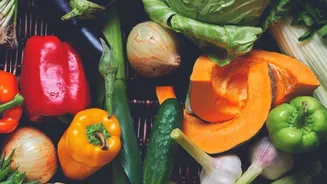
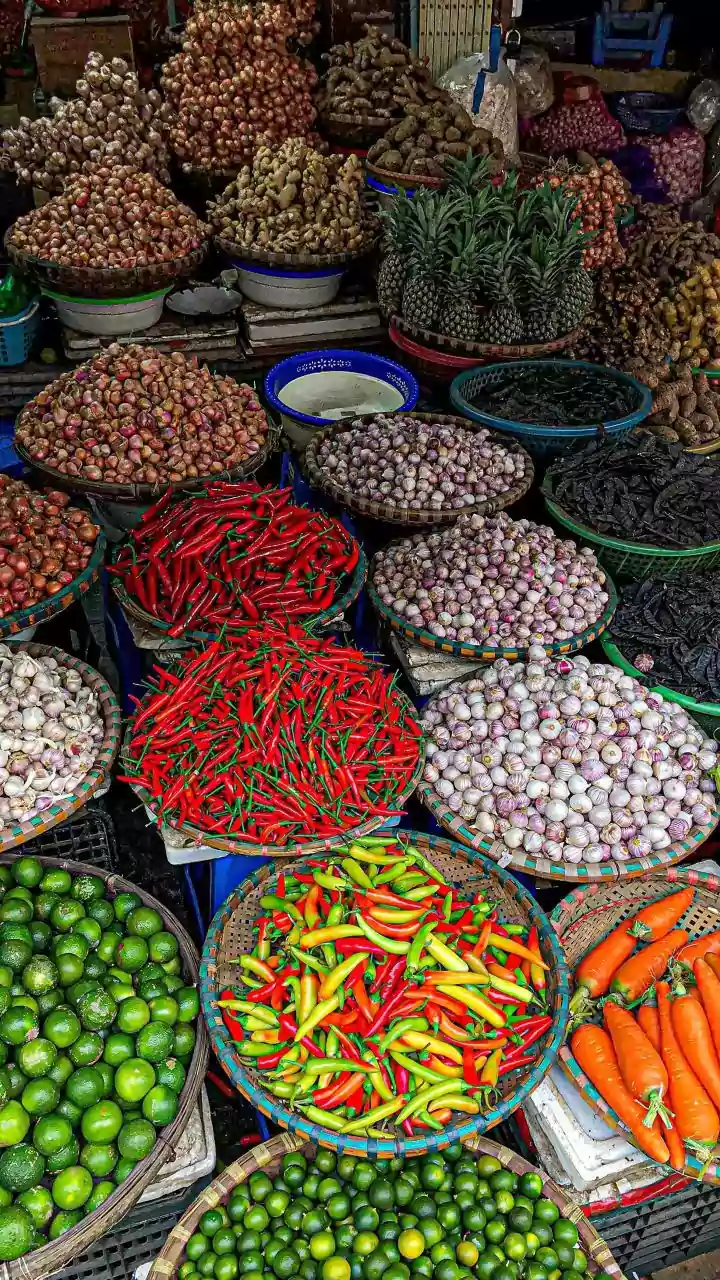
One of the most effective ways to combat food inflation is to align your cooking with the seasons. Fruits and vegetables that are in season are not only fresher and more nutritious but also significantly cheaper because they are abundant. Visiting your local mandi or vegetable market rather than relying solely on supermarkets can often lead to better prices and fresher produce. This practice encourages you to discover and use a wider variety of vegetables that you might otherwise overlook. Learning to cook with gourds, various greens, and other local vegetables that are plentiful at certain times of the year can drastically reduce your grocery spending while adding diversity to your diet.
Develop Your Culinary Intuition
Ultimately, flexible cooking is about moving beyond slavish devotion to recipes and developing your own culinary intuition. Think of recipes as guidelines, not strict rules. Taste your food as you cook and adjust seasonings. Don’t be afraid to leave out an ingredient if you don’t have it or if it’s too expensive. Cooking this way is liberating. It turns you from a recipe-follower into a confident cook who can create delicious meals from whatever is available. It reduces food waste because you learn to use up leftovers creatively—today’s dal can become tomorrow’s paratha filling. This intuitive approach makes cooking more enjoyable and transforms it into a valuable life skill for navigating economic ups and downs.